Big Leaf Mahogany Care (Swietenia macrophylla)

Also known as: Honduras mahogany, Brazilian Mahogany, Large-leaved Mahogany
Big Leaf Mahogany

About Big Leaf Mahogany

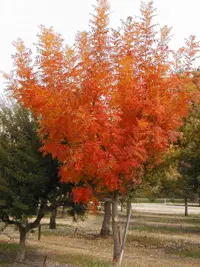
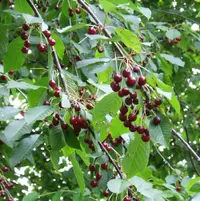
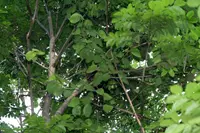
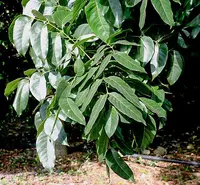
Big leaf mahogany, Swietenia macrophylla, is a large tropical hardwood tree valued for its dense canopy and high-quality timber. In the landscape it develops a straight trunk, broad crown, and glossy, pinnate leaves that create deep shade.

This species is native to Central and South America but is also cultivated in warm, frost-free regions around the world. It tends to grow fast when young, then slows as it matures, and requires space to reach its full size.

Growing conditions such as high light, warmth, and well-drained soil make it easier to care for Big Leaf Mahogany, while cold or waterlogged sites significantly reduce its success.

Main Plant Requirements

Care Difficulty

Moderate Care

Light Preference

Full Sun

Water Requirements

Moderate Water

Temperature Preference

Tropical / Frost Sensitive

Hardiness Zone

11–12

Soil Texture

Sandy, Loamy, Organic-rich

Soil pH

Acidic (5.5–6.5), Slightly acidic (6.5–7.0)

Soil Drainage

Well-drained

Fertilization

Minimal (feed rarely)

Get Personalized Care Plan

Scan your plant to receive care tips personalized for your specific plant

Available on iOS and Android

How to Care for the Big Leaf Mahogany

Swietenia macrophylla performs best in strong, stable light that supports rapid tree growth.

  • Provide 6–10 hours of direct sun daily once established; young trees benefit from 3–5 hours of gentle morning sun with light shade in the harsh afternoon.
  • Allow partial shade (down to ~50% light) during the first 1–2 years to reduce leaf scorch and transplant stress, especially in hot, exposed sites.
  • Monitor for sparse foliage and slow extension growth as signs of insufficient light; pale, scorched leaves in midsummer indicate too much afternoon sun for Big Leaf Mahogany.

This deep‑rooted tropical tree needs consistent moisture without prolonged saturation.

  • In the first 1–3 years, water when the top 5–8 cm of soil feels dry, applying a slow, deep soak that penetrates at least 20–30 cm into the root zone.
  • Ensure soil drains freely; waterlogged sites cause yellowing leaves, soft new growth, and root rot, especially in heavy clay or compacted ground.
  • In rainy seasons, reduce supplemental watering and use leaf wilt, curling edges, and dry, dusty soil surface as key indicators that the tree needs moisture.

This species thrives in warm, frost‑free climates typical of lowland tropics and subtropics.

  • Aim for 75–90°F (24–32°C) for fastest growth; stable warmth with good soil moisture supports strong trunk and canopy development.
  • Avoid temperatures below 40°F (4°C); light frost can burn young foliage, and repeated exposure near 32°F (0°C) may kill seedlings and saplings.
  • Mature trees tolerate short hot spells up to 100–104°F (38–40°C) if roots have access to moisture, but heat plus drought leads to leaf drop and tip dieback.

This species prefers moderately humid air but tolerates typical indoor levels if not too dry.

  • Aim for 50–70% humidity, especially for young Big Leaf Mahogany plants kept indoors or in greenhouses.
  • It tolerates brief drops to 30–40%, but prolonged very dry air can crisp leaf edges and cause tip browning.
  • Increase humidity with a nearby humidifier, grouping plants, or placing containers over a pebble tray with water below (not touching) the pot base.

Swietenia macrophylla grows best in deep, well-drained, structurally stable soil that holds moisture without staying waterlogged.

  • Use a loamy mix combining roughly 40% compost, 40% mineral soil or sand, and 20% coarse material such as perlite or fine bark for drainage.
  • Ensure water drains freely within a few seconds of watering; adjust with more sand or perlite if the mix stays wet and heavy.
  • Keep pH slightly acidic to neutral, around 6.0–7.0, which supports nutrient availability and healthy root activity.
  • Avoid compacted clay, poorly drained sites, or pure sand without organic matter, as these either suffocate roots or dry out too fast.

This large tree is only moderately suitable for containers and usually works best in its juvenile stages or for short-term display.

  • Choose a heavy, wide-based container to counter the tree’s developing top weight and reduce risk of tipping in wind.
  • Select a deep pot that allows a strong taproot and laterals to extend downward rather than circling tightly near the surface.
  • Use containers made from thicker clay or concrete when outdoors in windy spots, as these regulate moisture better and provide extra stability.

Swietenia macrophylla benefits from moderate, well-timed feeding in cultivation, especially in containers or nutrient-poor soils.

  • Use a balanced slow-release fertilizer (for example 10-10-10) or well-rotted compost mixed into the topsoil at the start of the warm growing season.
  • Feed young or container-grown trees every 8–12 weeks during active growth, following label rates and avoiding high-salt synthetic products.
  • Apply fertilizers at half the recommended strength for seedlings, keeping granules away from the trunk to prevent burn and rot.
  • Reduce or stop feeding in cooler months or when growth slows, as Big Leaf Mahogany does not need nutrients during semi-dormant periods.

Swietenia macrophylla responds well to light, structural pruning when young to develop a strong, safe canopy.

  • Carry out main pruning at the end of the dry or cool season, just before vigorous new growth begins.
  • Remove dead, diseased, crossing, or storm-damaged branches first to improve safety and airflow.
  • Thin crowded interior branches selectively to shape a single strong leader and balanced scaffold limbs.
  • Use clean, sharp loppers or a pruning saw, making smooth cuts just outside the branch collar to support proper wound closure.

This species is usually raised in containers only when young, then transplanted into the ground once well established.

  • Plan transplanting for the warm, wet season, when soil is workable and the tree can root quickly in its new site.
  • Look for roots circling the container drainage holes or slowed top growth as signals that seedlings or saplings need a larger space.
  • Transplant every 1–2 years while young, shifting into a container 5–10 cm wider or directly into a permanent, deep, well-drained location.
  • Hydrate the root ball thoroughly before moving, disturb circling roots gently, plant at the same depth, then water deeply and shade lightly for 1–2 weeks to reduce stress.

Swietenia macrophylla is mainly propagated from seeds for forestry, restoration, and nursery production.

  • Collect ripe, brown seed pods, extract the winged seeds, and sow them fresh for best viability.
  • Sow in a free-draining, sterile mix at a shallow depth, keeping medium moisture and warmth at 75–86°F for steady germination.
  • Provide bright, indirect light, good air movement, and consistent but not waterlogged moisture while seedlings establish strong taproots.
  • Stem cuttings are possible but less reliable; use semi-hardwood pieces with rooting hormone, bottom heat, and high humidity to encourage rooting.

This tropical tree is frost-sensitive and needs protection in regions that experience cold winters or occasional freezes.

  • In ground, grow only in frost-free or very mild climates; even brief exposure to 30–32°F can damage young tissues.
  • Mulch the root zone with 5–8 cm of organic material, keeping it a few cm away from the trunk to moderate soil temperature.
  • Move container-grown plants indoors or into a heated greenhouse before night temperatures drop below 50°F, providing bright light and reduced watering.
  • For young outdoor saplings in marginal areas, use breathable frost cloth and windbreaks during rare cold snaps to limit foliage and stem injury.

Care Tips

Early structural training

In the first 3–5 years, select a single dominant leader and remove competing upright shoots during the dry season to encourage a straight, timber-quality trunk with strong branch angles.

Deep root establishment

Install a wide (60–100 cm) weed-free mulch ring and water less often but deeply in the first years to drive roots downward, improving drought tolerance and long-term stability.

Wind and storm management

In exposed sites, thin crowded side branches gradually and avoid heavy topping so the canopy lets wind pass through, reducing the risk of limb breakage in storms.

Borer and shoot pest monitoring

Inspect young stems and shoot tips every 4–6 weeks for small entry holes, frass, or distorted new growth, and prune out and destroy affected parts early to limit internal borer and caterpillar damage.

Spacing and companion layout

When growing Big Leaf Mahogany in a mixed planting, keep at least 6–8 m spacing from other tall trees and avoid dense shade-casting neighbors so the crown develops evenly and lower branches self-prune cleanly over time.

Common Pests and Diseases

Shoot borer

This pest is a small moth larva that tunnels into young shoots, causing wilting, dieback, and forking of the main stem. Symptoms include small entry holes, frass (sawdust-like material), and distorted or stunted leaders.

Solution

Prune and destroy infested shoots as soon as wilting or boring damage is seen, and maintain good spacing between trees to reduce pest build‑up. In plantations or valuable specimens, use light traps for adult moths and, where allowed, apply a targeted systemic insecticide to young trees at the start of the flushing period following local forestry or extension recommendations.

Hypsipyla tip moth

This pest is another tip-boring moth whose caterpillars feed inside terminal buds and stems, leading to loss of apical dominance and bushy, low-quality growth. Damage is often heaviest in open, exposed sites and in young plantations or nursery stock.

Solution

Favor mixed-species planting or partial shade in early years to make trees less attractive to the moth and reduce repeated attacks. Regular monitoring of young plants, prompt pruning of damaged leaders, and destroying pruned material help reduce local populations; in high-value plantings, consult local forestry services about biological control agents or pheromone-based monitoring systems for how to take care of Big Leaf Mahogany in infested regions.

Leaf miner

These insects are larvae that live inside leaves and create pale, winding tunnels or blotches which can lead to premature leaf drop in heavy infestations. This stress can slow growth, especially in seedlings and saplings.

Solution

Remove and destroy heavily mined leaves to break the life cycle and keep the tree well watered and fertilized so it can replace lost foliage quickly. For nursery or young container plants, use yellow sticky traps to monitor adult activity and, if needed, apply a neem-based or other labeled low-toxicity systemic product early in an outbreak.

Anthracnose

This disease is a fungal infection that causes small dark leaf spots, irregular blotches, and in severe cases leaf distortion or early drop on young foliage. Symptoms include tan to brown lesions often with darker margins along veins or leaf edges.

Solution

Collect and dispose of fallen leaves to reduce fungal spores, and water at soil level rather than overhead to keep foliage as dry as possible. Improve airflow by avoiding dense planting, and in areas with recurring problems consider applying a copper-based or other registered fungicide at the start of wet seasons, following label directions carefully.

Leaf blight

This disease produces larger brown to gray necrotic patches on leaves, sometimes with a water-soaked margin, leading to scorched-looking foliage and defoliation in young trees. Symptoms include rapid spread during warm, humid weather, especially in crowded or shaded stands with poor air circulation.

Solution

Thin overcrowded plantings and remove heavily infected leaves or small branches to limit spread, disposing of debris away from planting areas. For nurseries or closely spaced trees, reduce overhead irrigation, improve drainage, and use an appropriate broad-spectrum fungicide preventively during peak humid periods if disease pressure remains high.

Interesting Facts

Largest true mahogany

This species is the largest of the true mahoganies, forming tall emergent trees in Neotropical rainforests with a broad, high canopy that can dominate the surrounding vegetation.

Specialist seed predators

Its large winged seeds are heavily targeted by the moth Hypsipyla grandella, whose larvae bore into fruits and shoots and are a major natural control on regeneration in plantations.

CITES-listed timber tree

Due to intense international logging for its high-value wood, this species is listed under CITES Appendix II, meaning that international trade is regulated to prevent further population declines in the wild.

Botan icon

Did you know?

Genetic studies show that natural populations of this species across its native range from southern Mexico to the southern Amazon Basin form distinct regional lineages, which reflect both historical rainforest connectivity and heavy, uneven logging pressure over the last century.

FAQs about Big Leaf Mahogany

Growth is relatively fast for a hardwood tree, often 60–90 cm per year in warm climates with adequate water and nutrition. Poor soil, drought, competition, or restricted rooting space can slow growth substantially. This supports growing Big Leaf Mahogany commercially.

Grow Healthy Plants with Botan Care

Keep your plants happy and healthy with plant identification, disease detection, and easy care guidance.

Botan plant care app — identify plants on mobile

Explore More Plants