Wind-shaping early
In the first 2–3 years, selectively remove or shorten windward branches after storms so the canopy develops a balanced, wind-firm framework rather than leaning in one direction.


Saltcedar, Tamarix ramosissima, is a deciduous shrub or small tree known for its feathery foliage and fine, twiggy branches. It often forms dense thickets with a wispy, plume-like look.
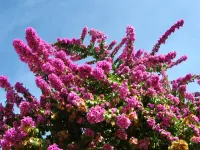
It bears tiny pink to pale rose flowers along slender stems, giving a soft, clouded effect when in bloom. The plant naturally occurs in arid and semi-arid regions of Eurasia and has become naturalized, and often invasive, in many dry river systems in North America.
Saltcedar tolerates drought, salinity, and poor soils, which makes it hardy but also difficult to control outdoors. It prefers full sun and well-drained conditions, and these traits guide how to care for saltcedar in managed landscapes.

Care Difficulty
Easy Care

Light Preference
Full Sun

Water Requirements
Low Water

Temperature Preference
Cold Hardy

Hardiness Zone
3–8

Soil Texture
Sandy, Loamy, Clay

Soil pH
Slightly acidic (6.5–7.0), Slightly alkaline (7.0–7.5)

Soil Drainage
Well-drained

Fertilization
Minimal (feed rarely)
Scan your plant to receive care tips personalized for your specific plant
Available on iOS and Android
Tamarix ramosissima thrives in strong, direct light for dense, flowering growth.
Tamarix ramosissima is drought-tolerant once established but still benefits from thoughtful watering.
This shrub handles a wide temperature range but has an optimal band for vigorous growth.
Humidity is rarely a limiting factor for Tamarix ramosissima, which thrives in dry, exposed sites.
This shrub prefers very free-draining, often poor soils and tolerates salinity better than many ornamentals.
This species can be grown in large outdoor containers, mainly when controlling spread or size is important.
Tamarix ramosissima usually needs minimal feeding in the landscape, but light fertilization can support growth on very poor soils or in containers.
Tamarix ramosissima responds well to structured pruning, which maintains form and encourages vigorous flowering wood.
This shrub is usually grown in the ground, so care focuses more on transplanting than on frequent repotting.
Tamarix ramosissima is commonly propagated from cuttings, which root reliably under the right conditions.
This shrub is generally cold hardy in much of the US and needs little active winter care in the ground.

Plant Health Check
Not sure what's wrong with your plant? Check your plant's health inside the app.
This species has specialized salt glands on its leaves that excrete excess salt onto the leaf surface, allowing it to survive in saline soils that are stressful for many other woody plants.
It produces very fine, plume-like clusters of pale pink flowers on new wood, often over an extended summer period, which provide nectar and pollen resources for a range of insects.
In parts of the western United States, this Eurasian shrub has become a dominant invasive along rivers and streams, where it can alter channel morphology, displace native vegetation, and influence fire regimes.

Individual plants can develop extremely deep and extensive root systems that tap into groundwater, allowing survival in arid riparian zones but also contributing to high water use where the species becomes invasive, which is a central concern in Tamarix ramosissima care and management research.
This species spreads aggressively by seed and root suckers, especially near water. In many US states it is listed as invasive. Avoid planting near natural waterways and remove unwanted seedlings promptly to prevent further spread.
Keep your plants happy and healthy with plant identification, disease detection, and easy care guidance.