pyrethum daisy Care (Tanacetum coccineum)

Also known as: Pyrethrum
pyrethum daisy

About pyrethum daisy

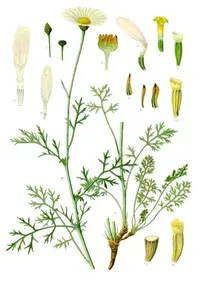
Pyrethum daisy (Tanacetum coccineum) is a hardy, clump-forming perennial grown mainly for its daisy-like blooms in strong pink, red, or white shades with yellow centers. Plants typically form neat mounds of finely divided, fern-like foliage and send up sturdy flowering stems in late spring to early summer.

This species comes from mountainous regions of southwestern Asia, where it experiences cool summers and well-drained soils. It is valued by gardeners for its relatively long flowering period and its use as a cut flower.

Tanacetum coccineum is not difficult to grow if given full sun, moderate moisture, and soil that does not stay waterlogged. Understanding how to care for pyrethum daisy starts with providing light, drainage, and regular deadheading to encourage more blooms.

Main Plant Requirements

Care Difficulty

Moderate Care

Light Preference

Full Sun

Water Requirements

Moderate Water

Temperature Preference

Cool Climate

Hardiness Zone

3–7

Soil Texture

Sandy, Loamy, Organic-rich

Soil pH

Acidic (5.5–6.5), Slightly acidic (6.5–7.0)

Soil Drainage

Well-drained

Fertilization

Light (every 4–6 weeks)

Get Personalized Care Plan

Scan your plant to receive care tips personalized for your specific plant

Available on iOS and Android

How to Care for the pyrethum daisy

Tanacetum coccineum needs plenty of direct light to bloom well outdoors.

  • Provide 6–8 hours of direct sun daily, with morning sun and light afternoon shade preferred in hot summers.
  • Tolerates light partial shade (3–4 hours sun), but flowering and plant density decrease in deeper shade.
  • In hot climates, protect from intense late-afternoon sun to reduce leaf scorch and wilting; in cool or cloudy regions, choose the sunniest, south- or west-facing spot for pyrethum daisy.

This plant prefers evenly moist, well-drained soil rather than constant wetness.

  • Water when the top 3–5 cm of soil feels dry, applying a deep soak so moisture reaches the root zone instead of frequent light splashes.
  • Improve drainage with loose, organic-rich soil; avoid sites where water pools for more than 1–2 hours after rain to prevent root rot and yellowing leaves.
  • In cool spring and fall, watering needs drop; in dry, hot weather, monitor for limp foliage and dry soil as signs that Tanacetum coccineum needs water.

This hardy perennial tolerates cool conditions but grows best in moderate temperatures.

  • Ideal growing temperatures are 60–70°F (16–21°C), with steady spring and early-summer conditions producing the strongest stems and flowers.
  • Established plants tolerate down to about 0°F (−18°C) in the ground with mulch, though new growth can be damaged by late frosts.
  • Heat above 85°F (29°C), especially with warm nights, can reduce flowering; provide mulch and light afternoon shade to keep roots cooler in midsummer.

Humidity is usually not critical for Tanacetum coccineum, which prefers average outdoor conditions.

  • Target 30–50% humidity; typical outdoor air and most homes fall in this range.
  • Dry air rarely harms pyrethum daisy, but heat plus very low humidity can crisp leaf edges and reduce flowering.
  • In very hot, arid periods, group plants and apply light evening misting to foliage edges, avoiding waterlogged soil.

Tanacetum coccineum prefers loose, well-drained, moderately fertile soil for long-lived growth and flowering.

  • Use a loamy mix with 40–50% garden soil, 30–40% compost, and 10–20% mineral grit such as coarse sand or perlite for drainage.
  • Aim for slightly acidic to neutral pH around 6.0–7.0, avoiding strongly acidic or chalky, compacted ground.
  • Work in organic matter such as compost or well-rotted manure to improve structure, moisture balance, and root aeration before planting.
  • Avoid heavy clay that stays wet, poorly drained low spots, or pure sand that dries out too fast and limits nutrient availability.

This species suits container growing when the pot and substrate are managed for sharp drainage and root space.

  • Choose a pot at least 25–30 cm deep so the taproot can develop without circling or kinking.
  • Use a heavier material such as terracotta or ceramic to stabilize the plant against wind and its upright flower stems.
  • Fill the container with a free-draining mix and elevate the pot slightly on feet so drainage holes stay clear and excess water escapes quickly.

Tanacetum coccineum benefits from light, balanced feeding during the main growing season.

  • Use a balanced NPK granular or liquid fertilizer at half strength every 4–6 weeks from early spring to mid-summer for caring for pyrethum daisy.
  • Supplement with a thin top-dressing of compost in spring to improve soil structure and slow nutrient release.
  • Avoid feeding in late summer and winter when growth slows or stops to prevent weak, lush growth.
  • Water before and after fertilizing to reduce root burn and help nutrients distribute through the root zone.

Thoughtful pruning keeps Tanacetum coccineum compact and flowering well.

  • Deadhead fading blooms through summer using clean hand pruners to encourage more flowering stems.
  • In early spring, remove dead, damaged, or weak stems down to healthy growth to maintain a tidy clump.
  • Thin crowded interior stems to improve airflow and reduce fungal disease risk.
  • After the main bloom, shear back by about one-third to refresh foliage and sometimes induce a lighter rebloom.

This perennial is more often transplanted in garden beds than kept in long-term containers.

  • Transplant every 3–4 years or when clumps become woody, congested, or flower less, choosing early spring or early fall.
  • For containers, move to a slightly larger pot when roots circle the sides or growth becomes stunted despite good care.
  • Lift plants with a broad root ball, keep roots shaded and moist, and replant at the same soil depth to limit stress.
  • Water thoroughly after planting, then keep soil evenly moist but not waterlogged for 1–2 weeks while roots reestablish.

Tanacetum coccineum is commonly propagated by division and from seeds.

  • Divide mature clumps in early spring or early fall, cutting them into sections with healthy buds and roots, then replant promptly.
  • Sow seeds indoors 8–10 weeks before the last frost in a bright, warm spot around 65–70°F and keep the mix just moist.
  • Lightly press seeds into the surface, as some light exposure supports germination, and provide gentle air circulation.
  • Harden off seedlings gradually outdoors before planting into well-drained soil with full sun.

This perennial is fairly cold hardy but benefits from simple winter preparation in many climates.

  • In late fall, cut back spent flower stalks, leaving low basal foliage to protect the crown.
  • Apply a 5–8 cm mulch layer around the root zone in cold regions, keeping it slightly away from the crown to avoid rot.
  • In very cold or exposed sites, consider an extra mulch layer or a breathable cover during severe freezes.
  • Container-grown plants in freezing climates can be moved to a sheltered, unheated but frost-free area for winter.

Care Tips

Staggered Succession Sowing

Start a new batch from seed every 3–4 weeks in late winter and early spring so flowering stretches over a longer period and gaps from spent plants are minimized.

Deadhead With Precision

Cut individual spent flower stems back to the basal foliage, not just the flower head, to direct energy into new buds and maintain a compact, tidy clump.

Stake Before Flopping

Install low, discrete ring supports or short bamboo canes around young plants in early spring so tall stems stay upright in wind and rain without snapping.

Cool-Season Rejuvenation

After the main flush, shear the plant back by about one-third, then provide consistent moisture and a light feed to encourage a fresh mound of foliage and a smaller repeat bloom.

Monitor For Self-Sowing

Allow a few of the strongest flowers to set seed in place if you want a naturalized drift, but remove seed heads in tight borders to prevent overcrowding when growing pyrethum daisy.

Common Pests and Diseases

Aphids

This pest typically clusters on young stems and flower buds, sucking sap and causing distorted growth and sticky honeydew on foliage and blooms.

Solution

Spray plants with a strong stream of water to dislodge colonies, then use insecticidal soap or a ready-to-use neem oil spray, coating stems and the undersides of leaves every 5–7 days until activity stops. Encourage natural predators such as lady beetles by avoiding broad-spectrum insecticides nearby.

Leaf miners

These insects create pale, winding tunnels inside the leaves, which can cause cosmetic damage and reduced vigor if infestations are heavy.

Solution

Remove and discard mined leaves as soon as damage appears to break the life cycle. For recurring problems, use a systemic insecticide labeled for ornamental leaf miners in garden chrysanthemums, following label rates, and avoid overhead watering that may stress foliage.

Powdery mildew

This disease produces white, powdery patches on the upper leaf surface, often in crowded plantings or during warm days and cool, humid nights.

Solution

Thin or divide clumps to improve airflow, water at soil level, and avoid wetting foliage late in the day. At first signs, apply a sulfur or potassium bicarbonate fungicide labeled for ornamental composites and repeat at 7–14 day intervals while conditions favor disease.

Botrytis blight

This disease causes browning and collapse of flower petals and buds, often followed by a gray, fuzzy mold on spent blooms and nearby leaves in cool, damp weather.

Solution

Promptly deadhead spent flowers and remove any soft, discolored tissue, disposing of it in the trash instead of compost. Improve spacing and air movement, irrigate at the base in the morning, and if needed use a fungicide labeled for Botrytis on ornamentals during extended wet periods to protect new buds.

Spider mites

This pest thrives in hot, dry weather, causing fine stippling on leaves, dull foliage color, and light webbing between leaf stems and flower stalks.

Solution

Increase humidity around the plants and hose down foliage, focusing on leaf undersides, to physically remove mites. For sustained infestations, apply insecticidal soap or horticultural oil in repeated treatments, ensuring thorough coverage and avoiding applications during full midday sun to prevent leaf scorch while maintaining consistent Tanacetum coccineum care instructions.

Interesting Facts

Natural insecticidal flowers

The flower heads of this species are a key commercial source of pyrethrins, natural compounds that target the nervous system of many insects while breaking down quickly in sunlight and air.

Toxic to some pets

Although often grown as an ornamental, this plant contains pyrethrins that can be harmful if ingested in quantity by cats, fish, and some small animals, so it is usually planted where access is limited.

Cool-summer preference

This species originates from mountain and subalpine regions, so it performs best in climates with cool to mild summers and can decline or stop flowering in prolonged high heat.

Botan icon

Did you know?

Historically, dried and powdered flower heads of this plant were used as "Persian insect powder" in the 19th century, forming one of the earliest globally traded botanical insecticides before synthetic chemicals became widespread.

FAQs about pyrethum daisy

Lack of blooms often comes from insufficient light, too much nitrogen fertilizer, or overcrowded, old clumps. Deadhead spent flowers, divide congested plants every few years, and avoid high‑nitrogen feeds to redirect energy into flower production.

Grow Healthy Plants with Botan Care

Keep your plants happy and healthy with plant identification, disease detection, and easy care guidance.

Botan plant care app — identify plants on mobile

Explore More Plants