Oyster Rollrim Care (Tapinella panuoides)

Oyster Rollrim

About Oyster Rollrim

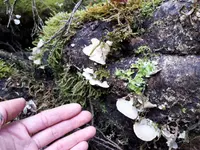
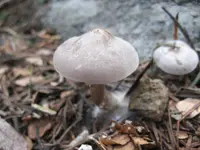
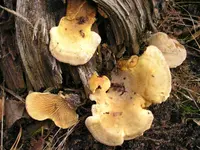
Tapinella panuoides, commonly called oyster rollrim, is a wood-decaying fungus rather than a typical green plant. It forms fan-shaped, yellowish to ochre caps with rolled edges and often grows in overlapping, shelf-like clusters.

This species usually appears on decaying conifer wood, sawdust, or timber in temperate regions, sometimes even on processed wood near homes or gardens. It can colonize substrates readily under the right moisture and temperature, but is not suited to casual home cultivation.

Those who care for Oyster Rollrim as part of a fungus collection should note that it prefers consistently moist, shaded conditions and lignin-rich woody material, and can be sensitive to drying or strong sun.

Main Plant Requirements

Care Difficulty

Hard Care

Light Preference

Shade

Water Requirements

Keep Soil Moist

Temperature Preference

Cool Climate

Hardiness Zone

Unknown

Soil Texture

Organic-rich, Peaty

Soil pH

Acidic (5.5–6.5)

Soil Drainage

Waterlogged tolerant

Fertilization

Minimal (feed rarely)

Get Personalized Care Plan

Scan your plant to receive care tips personalized for your specific plant

Available on iOS and Android

How to Care for the Oyster Rollrim

Tapinella panuoides prefers low to moderate, forest-like light rather than strong direct sun.

  • Provide bright shade or dappled light, such as under shrubs or trees, with 1–3 hours of gentle morning sun and no harsh afternoon sun.
  • Allow only filtered light through foliage or shade cloth; direct sun in summer can dry the substrate and scorch the forming Oyster Rollrim fruiting bodies.
  • In hotter seasons, increase shade or move to a more sheltered aspect, while in cooler seasons ensure access to indirect daylight for several hours.

Moist, not waterlogged, conditions best support Tapinella panuoides on wood or woody debris.

  • Maintain evenly moist substrate by watering when the surface feels just barely dry, avoiding complete drying or standing puddles around the wood.
  • Use free-draining but moisture-retentive material; water slowly so it soaks in, then allow excess to run off rather than collect in hollows.
  • In warm, windy periods, check moisture daily for drying edges; in cool seasons, reduce watering and watch for sour smell or slimy growth as early overwatering signs.

Stable, cool to mild temperatures support reliable development of Tapinella panuoides.

  • Aim for 50–70°F (10–21°C) for best growth, with slightly cooler nights helping mimic natural forest conditions.
  • Protect from frost; short dips near 32°F (0°C) may halt growth, while prolonged freezing can damage mycelium in shallow substrates.
  • Limit exposure to heat above 80°F (27°C), especially in full sun, since hot, dry conditions slow growth and can dry out the colonized wood.

Humidity is not a primary factor for Tapinella panuoides, which naturally tolerates varied outdoor moisture conditions.

Tapinella panuoides thrives on decaying wood or wood-rich, loose substrate rather than typical garden soil.

  • Use a mix of well-rotted hardwood chips, coarse sawdust, and a small portion of leaf mold to mimic rotting logs.
  • Keep the substrate airy and loose so water drains freely, avoiding any compacted or sticky texture.
  • Maintain slightly acidic to neutral conditions, around pH 5.5–7.0, which supports fungal growth on lignin-rich material.
  • Avoid mineral-heavy, clay-based, or fertilizer-loaded mixes, as these restrict airflow and disrupt the natural decomposing habitat.

This species is only moderately suitable for container growing, mainly for experimental or educational setups rather than ornamental display.

  • Choose a deep, rigid tub or box that holds a thick layer of wood-based substrate without flexing or collapsing as it decomposes.
  • Drill multiple side and base holes so excess water escapes while still allowing the woody substrate to stay evenly moist, not soggy.
  • Position the container in a shaded, sheltered outdoor spot where temperature swings are moderate, keeping the decomposing wood environment stable for Oyster Rollrim.

Tapinella panuoides is a wood-decaying fungus that does not benefit from conventional plant fertilizers, so focus on its substrate instead of feeding.

Pruning is not a standard practice for Tapinella panuoides, since fruiting bodies are temporary and the organism lives mainly as mycelium in wood.

As a fungus that colonizes dead wood, Tapinella panuoides is not repotted like a typical potted plant, but its substrate can be refreshed or relocated.

  • Transplant only when the colonized log or wood block is exhausted, contaminated, or in an unsuitable location.
  • Move the whole wood piece during mild, stable weather to reduce stress on the mycelium network.
  • Keep the new site with similar moisture, shade, and airflow to the original conditions.
  • Handle the colonized wood gently, avoiding shaking, splitting, or scraping the mycelium-rich surface.

Propagation of Tapinella panuoides is mainly a specialist task and is not recommended for home growing due to its toxicity and ecological role.

In outdoor settings, Oyster Rollrim usually needs no special winter care, as the fungal mycelium persists quietly in wood while fruiting slows or stops in cold weather.

Care Tips

Use sterile substrate

Prepare a low-nutrient, lignin-rich substrate such as well-soaked, pressure-sterilized sawdust or conifer wood chips to limit contamination and more closely match this fungus’s natural habitat.

Prioritize contamination control

When inoculating or handling cultures, disinfect tools and work surfaces, flame-sterilize metal implements, and keep movements minimal over open containers to reduce bacterial and mold competition.

Control wood moisture

Maintain substrate moisture at a uniformly damp, not dripping, level by misting the surface lightly and sealing containers loosely, then venting briefly if condensation runs down the sides.

Manage light exposure

Provide low, diffuse light rather than darkness or direct sun, as gentle ambient light helps orient fruiting bodies while limiting surface drying.

Monitor for sporulation

If heavy spore production triggers allergies or irritation, reduce air disturbance around the culture, use a simple mask when working nearby, and retire old blocks rather than forcing repeated flushes when caring for Oyster Rollrim.

Common Pests and Diseases

Fungus gnat larvae

This pest targets very damp fruiting substrates and trays, where larvae feed on fungal mycelium and tender tissue. Symptoms include slow or distorted mycelial growth and clouds of small black gnats when disturbed.

Solution

Reduce excess moisture and improve drainage in growing containers, then allow the surface layer of the substrate to dry slightly between misting. Use fine mesh covers on vents, sticky traps for adult gnats, and, if needed, introduce biological controls such as Bacillus thuringiensis israelensis (BTI) in the watering solution to reduce larvae without harming the fungus.

Mite infestation

These insects are attracted to rich fungal substrates and may feed on mycelium, spores, or decaying tissue, causing patchy or stunted growth. Symptoms include tiny moving dots on the substrate or fruiting bodies and a dusty or pitted appearance on caps.

Solution

Discard heavily infested culture blocks or trays and start from clean spawn if damage is severe. For mild cases, cool and dry the room slightly within the species tolerance, increase airflow, remove debris, and use sticky barriers or clean plastic sheeting under trays to reduce mite movement between cultures.

Bacterial blotch

This disease develops on wet caps and gills, especially under poor air circulation, leading to greasy, water-soaked spots that may turn yellowish or brown. Symptoms include soft, slimy areas on fruiting bodies with an unpleasant odor.

Solution

Avoid overhead misting directly on caps and instead humidify the air, then increase airflow to dry surfaces between humidity cycles. Remove and discard all blotched fruiting bodies, clean benches and tools with a disinfectant, and allow the grow area to run slightly drier for a short period while maintaining adequate humidity for growing Oyster Rollrim.

Green mold contamination

This disease is caused by competitor molds, most often Trichoderma species, that colonize over the mycelium and substrate, forming dense green patches. Symptoms include bright white fluffy mold that quickly turns green and suppresses Tapinella mycelium.

Solution

Immediately remove and seal contaminated blocks, trays, or casing material in bags and dispose of them outside the grow room. Clean surrounding surfaces with a disinfectant, improve fresh air exchange, and review sterilization or pasteurization steps for substrate and tools to prevent reintroduction.

Interesting Facts

Poisonous gilled bracket

This species forms shelf-like brackets with gills on the underside, yet it is considered poisonous and has caused serious poisonings mistaken for edible oyster mushrooms.

Wood decay lifestyle

It typically grows on decaying conifer wood, especially construction timber, fence posts, and lumber piles, contributing to brown rot, a type of wood decay that mainly breaks down cellulose and hemicellulose while leaving darker lignin behind.

Persistent dried fruitbodies

Its fruitbodies often dry in place and remain attached to wood for a long time, becoming tough and leathery while still retaining recognizable features for identification.

Botan icon

Did you know?

Molecular studies have led mycologists to move this species out of the traditional agaric family Paxillaceae into the genus Tapinella, reflecting its distinct evolutionary lineage among gilled wood-decaying fungi.

FAQs about Oyster Rollrim

This fungus is considered poisonous and has caused serious poisonings in humans, including neurological symptoms. It should never be eaten or used in food preparation. Keep pets and children away from any fruiting bodies or contaminated material.

Grow Healthy Plants with Botan Care

Keep your plants happy and healthy with plant identification, disease detection, and easy care guidance.

Botan plant care app — identify plants on mobile

Explore More Plants