



Bald cypress Identification (Taxodium distichum)

Recognize Bald cypress by its flat, feathery sprays of soft, linear leaves arranged in two ranks along deciduous branchlets, plus a strongly tapered trunk with reddish-brown, fibrous bark.

Mature trees often also show a broad, buttressed base and small, rounded cones about 1 inch (2.5 cm) wide.

Taxodium distichum Identification

Check Your Plant with Botan

Upload a clear photo to check your plant identification with Botan.

Clear images work best. Avoid photos taken too close or too far away

Check the tree’s flat, feathery sprays and strongly flared trunk base.

  • Leaves are soft, narrow, and arranged in two flat rows along slender side branchlets, each about 1/2 to 3/4 inch (1.3 to 2 cm) long.
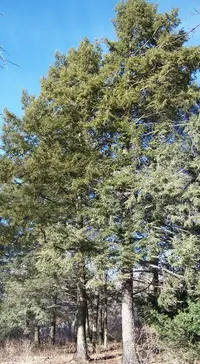
  • The crown is tall and narrow to broadly conical, with horizontal branches and drooping side shoots.
  • The trunk usually widens at the base, and the bark is fibrous, gray-brown, and broken into long strips.
  • Round cones are small, about 3/4 to 1 1/4 inches (2 to 3 cm) across, with a chunky, segmented look.

Visible cones and a buttressed base make identification easier.

Taxodium distichum shows clear age-related changes in form, bark, and reproductive structures.

  • Seedling: Seedlings carry soft, flat, linear leaves on slender green shoots, with a narrow upright form and little branching compared with older plants.
  • Young plant: Young plants develop a strong central trunk and feather-like side branchlets; the crown is narrow and conical, often under 15 feet (4.6 m) tall.
  • Mature plant: Mature trees show a broad, buttressed trunk, thicker fibrous bark, and a wider crown; branchlets hang more distinctly than on younger plants.
  • Fruiting stage: Fruiting branches bear round woody cones about 1 inch (2.5 cm) across, breaking apart at maturity, unlike nonfruiting shoots that show only foliage.

Several named selections of Bald cypress are distinct enough to recognize by habit or foliage.

  • 'Peve Minaret': A dwarf, narrow form that typically stays much smaller than the species, often with a dense upright outline and short, feathery branchlets.
  • 'Shawnee Brave': Noted for a strongly pyramidal to narrowly columnar crown, usually tighter and more vertical than the broad-based typical form.
  • 'Cascade Falls': A weeping form with pendulous branches that drape downward instead of forming the usual upright crown.
  • 'Nutans': Shows drooping branch tips and a softer, nodding silhouette, rather than the species' more level branch structure.

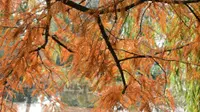
Bald cypress is one of the few conifers with a strong seasonal change. In spring, soft light green needles emerge in flat, feathery sprays along new twigs. By fall, the foliage turns cinnamon to orange-brown before dropping, leaving bare branchlets through winter. Small round cones become easier to notice from late summer into fall, and the leafless crown helps the flared trunk and fibrous bark stand out.

These are the most likely trees to confuse with Bald cypress.

pond cypress(Taxodium ascendens)

Shares soft, deciduous, needlelike leaves and a similar trunk. It differs by having awl-like leaves pressed tightly to upright branchlets, giving a narrower, feathery outline; Taxodium distichum usually has flatter, two-ranked leaves on side shoots.

Montezuma cypress(Taxodium mucronatum)

Also has fine cypress foliage and a buttressed trunk. The quickest check is persistence: its leaves are often evergreen to semi-evergreen in mild climates, and they appear more loosely arranged and longer than the flatter sprays typical of Taxodium distichum.

Taxodium distichum is native to the southeastern and south-central United States, from the Atlantic and Gulf Coastal Plains up the Mississippi Valley. Its natural range is a useful clue because this species is strongly tied to lowland river systems and coastal plain wetlands. It typically grows in swamps, floodplains, sloughs, lake margins, and other seasonally or permanently wet sites, often in standing water. Finding a deciduous conifer in these saturated habitats helps narrow identification more than geography alone.

Does Your Plant Match?

Use Botan to compare a photo and help identify it or confirm the name before you label or buy it.

FAQ

The quickest clue is its soft, flat needles arranged in two ranks on slender deciduous branchlets, giving a feathery look. In season, round cones and a strongly flared trunk base help confirm Bald cypress identification.

More Plant Identification Guides

Find Out What Plant It Is

Identify it from a photo with Botan, then get plant details, care information, and common problems for that species.

Botan app identifying a plant from a photo
Top 15 Fast-Growing Trees For Your Garden

13 min read · 28 Jul 2026

Top 15 Fast-Growing Trees For Your Garden

Learn which of the 15 fastest-growing trees will suit your area. We’ll share detailed information on each: growth rate, mature spread, key tree demands, and main vulnerabilities. Read on and make the best choice possible.

Plant Recommendations
Top 15 Fast-Growing Trees For Your Garden
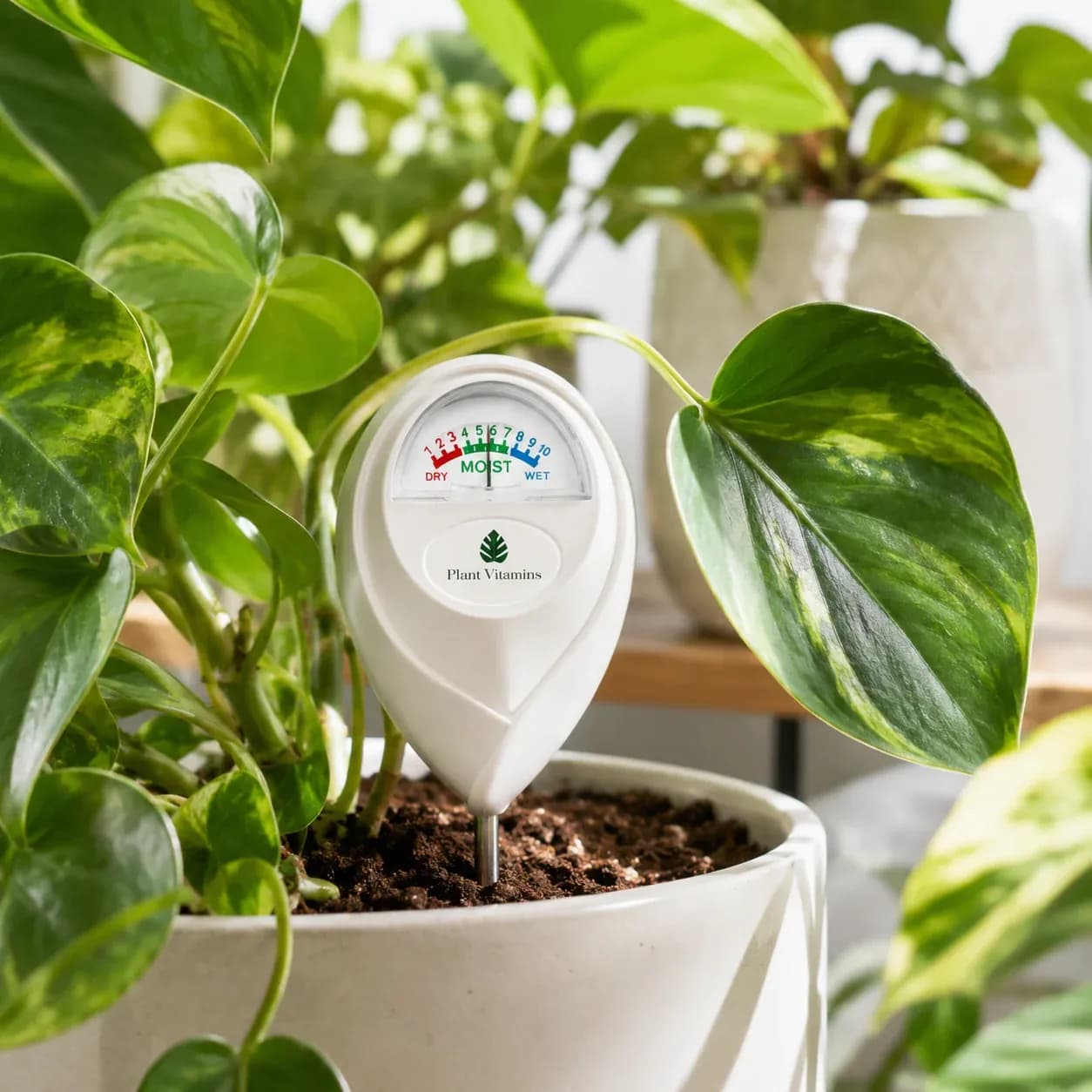
How to Use a Moisture Meter for Plants

5 min read · 4 Sept 2026

How to Use a Moisture Meter for Plants

Watering by feel kills plenty of houseplants. A moisture meter checks the soil for you, and takes the guesswork out of it. This guide will show you how to use it correctly, from the first touch to the final reading.

Beginner Guides
How to Use a Moisture Meter for Plants
Best Time to Water Grass in Summer – Lawn Watering Tips

5 min read · 21 Jul 2026

Best Time to Water Grass in Summer – Lawn Watering Tips

Summer watering is easy to get wrong. This guide explains when to turn on your sprinkler, how much liquid your grass needs each week, and how to tell if you're overwatering or underwatering.

Plant Care
Best Time to Water Grass in Summer – Lawn Watering Tips