Rhizome positioning
When potting, keep the creeping rhizomes just at or slightly above the substrate surface so new fronds can emerge freely and do not rot under the mix.

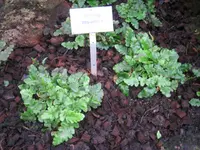
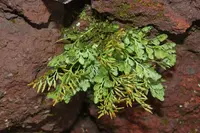
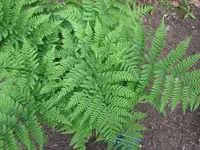
Oak leaf fern, Tectaria zeylanica, is a tropical fern known for its lobed fronds that resemble small oak leaves. It usually forms dense, leafy clumps rather than long trailing fronds. In nature it grows in warm, humid forests, often on rocky or shaded slopes, where it enjoys consistent moisture and protection from direct sun. The plant tends to be moderately easy to grow if its need for humidity and even moisture is respected. For those learning how to care for oak leaf fern, stable warmth, soft indirect light, and a loose, organic-rich substrate are the main points to understand.

Care Difficulty
Moderate Care

Light Preference
Partial Shade

Water Requirements
Keep Soil Moist

Temperature Preference
Tropical / Frost Sensitive

Hardiness Zone
10–11

Soil Texture
Loamy, Peaty, Organic-rich

Soil pH
Acidic (5.5–6.5), Slightly acidic (6.5–7.0)

Soil Drainage
Moist but well-drained

Fertilization
Light (every 4–6 weeks)
Scan your plant to receive care tips personalized for your specific plant
Available on iOS and Android
This fern prefers soft, filtered light similar to a shaded forest floor.
Tectaria zeylanica prefers evenly moist but not waterlogged soil.
This fern thrives in consistently warm, frost-free conditions.
This fern prefers consistently moist air and reacts quickly to dry indoor conditions.
This fern needs loose, moisture-retentive but airy substrate that mimics a forest floor.
This species is well suited to container growing when pot choice supports its spreading root system.
This fern benefits from light, steady nutrition rather than heavy feeding.
Tectaria zeylanica needs only light pruning to stay tidy and healthy.
This fern prefers slightly snug containers and dislikes frequent disturbance.
Division is the most practical way to multiply this fern for home growers.
This fern is frost-tender and needs protective winter care in cool climates.

Plant Health Check
Not sure what's wrong with your plant? Check your plant's health inside the app.
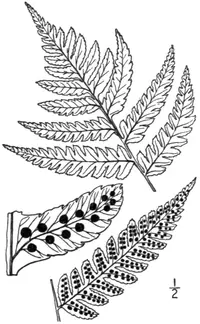
This species has broad, lobed sterile fronds that resemble small oak leaves, which makes it visually distinct from the finely divided fronds typical of many other ferns in its family.
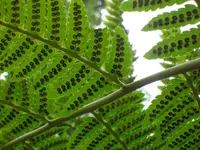
It produces two clearly different frond forms: broader, lobed sterile fronds and narrower, more deeply cut fertile fronds that carry the spore-bearing sori on their undersides.
In the wild it grows on shaded, humid forest floors and rocky banks in South and Southeast Asia, often in deep leaf litter and seepage zones where the soil stays consistently moist but not waterlogged.
Brown fronds usually result from low humidity, underwatering, or accumulated salts from fertilizer. Edges crisp first, then entire pinnae. Trim damaged fronds, flush the pot, and improve humidity and watering consistency to stabilize growth.
Keep your plants happy and healthy with plant identification, disease detection, and easy care guidance.