Cat Thyme Care (Teucrium marum)

Cat Thyme

About Cat Thyme

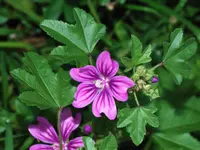
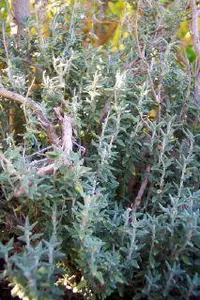
Cat thyme (Teucrium marum) is a small, woody perennial subshrub from the mint family, valued mainly as a fragrant, cat-attracting ornamental. It forms low, compact mounds of gray-green, oval leaves with a soft, slightly fuzzy texture and produces small purple-pink flowers in summer. In nature it is native to rocky, dry areas of the western Mediterranean, which explains its strong tolerance to heat, sun, and poor soils. This background makes it appealing for gardeners who want to care for Cat Thyme in low-maintenance, drought-prone spots. It generally prefers bright light, well-drained soil, and moderate moisture that dries slightly between waterings.

Main Plant Requirements

Care Difficulty

Easy Care

Light Preference

Full Sun

Water Requirements

Low Water

Temperature Preference

Warm Climate

Hardiness Zone

8–10

Soil Texture

Sandy, Loamy, Rocky

Soil pH

Slightly alkaline (7.0–7.5), Alkaline (7.5–8.5)

Soil Drainage

Well-drained

Fertilization

Minimal (feed rarely)

Get Personalized Care Plan

Scan your plant to receive care tips personalized for your specific plant

Available on iOS and Android

How to Care for the Cat Thyme

Teucrium marum prefers bright, direct sun in most climates for dense, fragrant growth.

  • Provide 6–8 hours of full sun daily; in very hot inland areas, protect from harsh sun between 1–4 p.m. with light shade.
  • Plant where it receives morning sun and optional light afternoon shade; it tolerates light, open shade but becomes looser and less compact.
  • In winter, maximize exposure by avoiding shade from buildings or trees; pale, stretched stems indicate insufficient light for Cat Thyme.

This drought-tolerant shrub prefers infrequent, deep watering in sharply drained soil.

  • Outdoors in the ground, water only when the top 3–5 cm of soil are completely dry; in many climates this means every 7–14 days in summer, less in cooler seasons.
  • Use gritty, fast-draining soil; puddling around the base, limp dark leaves, or a sour smell indicate overwatering and poor drainage.
  • Slightly soft, drooping stems and very light, dusty-dry soil signal that Teucrium marum needs a thorough soak, then full drainage from the root zone.

This Mediterranean subshrub prefers warm, dry conditions and dislikes prolonged frost or humid heat.

  • Aim for growing-season temperatures around 65–80°F (18–27°C) for best vigor and compact form.
  • Mature plants tolerate short drops to about 20–25°F (-6 to -4°C) if soil is well drained, but young plants are more cold-sensitive and benefit from winter protection.
  • In hot summers, plants handle 90–95°F (32–35°C) if soil is not waterlogged and roots are shaded; persistent frost or freeze-thaw cycles can cause root and stem dieback.

This species tolerates dry indoor air but grows best with moderate humidity around 40–50%.

  • Cat Thyme usually adapts to centrally heated rooms without added humidity, provided watering is consistent.
  • Crisp leaf edges and slow new growth can indicate combined low humidity and underwatering stress.
  • To boost humidity briefly, group plants together on a pebble tray with water below the pot base, rather than misting frequently.

Teucrium marum prefers lean, fast-draining soil that mimics rocky Mediterranean habitats.

  • Use a sandy or gritty loam with low to moderate organic matter to prevent waterlogging around the roots.
  • Aim for slightly alkaline to neutral soil, roughly pH 7.0–7.8, to support healthy nutrient uptake.
  • Mix roughly 50–60% potting mix with 40–50% mineral material such as coarse sand, fine gravel, or perlite to improve drainage and aeration.
  • Avoid heavy clay, peat-heavy mixes, or compacted substrates that stay wet for long periods, as these quickly lead to root problems.

This species grows well in containers when drainage and root space are carefully managed.

  • Choose a wider, shallow pot to accommodate its spreading root system and reduce the risk of water collecting at depth.
  • Use a rigid, heavier container such as ceramic when placed outdoors to prevent the plant from tipping in strong wind.
  • Elevate the pot slightly on feet or bricks so drainage holes remain clear and excess water escapes rapidly after rain or watering.

Teucrium marum grows best in lean, well-drained soil and needs only light feeding.

  • Use a balanced, diluted liquid fertilizer (around 10-10-10 NPK) at half strength during active growth in spring–summer.
  • Feed container-grown Cat Thyme every 4–6 weeks; outdoor plants in the ground usually need less or no fertilizer.
  • Pause feeding in fall and winter when growth slows or stops, to avoid soft, weak tissue.
  • If soil is very poor, mix in a small amount of compost rather than heavy, frequent fertilization.

Pruning Teucrium marum helps maintain a compact, bushy shape and encourages fresh growth.

  • Carry out main pruning in late winter or very early spring before vigorous new growth starts.
  • Remove dead, damaged, or crossing stems with clean, sharp hand pruners to reduce disease entry points.
  • Lightly shorten long or leggy shoots after flowering to keep a dense, rounded mound.
  • Avoid cutting back into old, woody stems with no green buds, as these may not reshoot.

Teucrium marum is often grown in the ground but also adapts well to containers if transplanted thoughtfully.

  • Check for roots circling the pot, quick drying soil, or slowed growth as signs a container plant needs a larger pot.
  • Plan repotting or garden transplanting for spring or early fall, avoiding extreme heat or frost periods.
  • Expect to move container plants every 2–3 years into a pot only 2–5 cm wider, using sharply draining mix.
  • Water the plant well before and after moving, keep the root ball as intact as possible, and shade briefly to reduce transplant shock.

Teucrium marum is commonly propagated from semi-ripe cuttings, with seed used less often.

  • Take 7–10 cm semi-ripe stem cuttings in late spring to summer, choosing non-flowering shoots.
  • Remove lower leaves, dip the base in rooting hormone, and place in a gritty, free-draining mix under bright, indirect light.
  • Maintain gentle warmth (65–75°F) and high but not stagnant humidity until roots form.
  • Sow seeds in spring on the surface of a well-drained mix, barely covering, and keep lightly moist until germination.

Teucrium marum is fairly hardy in mild climates but benefits from simple winter protection in colder areas.

  • In regions with frost, apply a light mulch around the root zone, keeping it a few cm away from stems.
  • Avoid waterlogged soil in winter, which increases root rot risk in cold conditions.
  • Move containers to a sheltered, unheated but frost-free spot, such as a cold frame or bright garage.
  • In very cold climates, treat plants as container specimens and overwinter indoors with as much light as possible.

Care Tips

Encourage Bushy Shape

Pinch back soft tips by 1–2 cm several times in spring and early summer to keep plants compact, reduce legginess, and promote dense, aromatic foliage useful when growing Cat Thyme in pots or low borders.

Refresh Woody Plants

Every 2–3 years, remove 1–3 of the oldest, woodiest stems at the base in late winter to stimulate fresh growth and prevent the plant from becoming sparse in the center.

Improve Drainage Mound

In heavy or marginal soils, plant on a slight mound 5–10 cm high with added grit so the crown sits above the surrounding soil, which greatly reduces crown rot and winter losses.

Winter Wet Protection

In regions with cold, wet winters, place a simple clear rain cover or grow in a clay pot that can be moved under a dry overhang to protect roots from prolonged saturation rather than from cold alone.

Scent-Friendly Placement

Site plants near paths, warm stones, or low walls where brushing or radiated heat releases more aroma, which also helps monitor plant health by making it easier to notice changes in scent or vigor.

Common Pests and Diseases

Spider mites

This pest often appears in hot, dry indoor air and on plants grown in very well-drained, sandy mixes. Symptoms include fine webbing, dull or stippled leaves, and reduced vigor.

Solution

Rinse foliage thoroughly with a firm stream of water, including the undersides of leaves, then increase humidity slightly and improve air circulation. For persistent infestations, apply insecticidal soap or a neem oil spray every 5–7 days until new growth appears clean, taking care not to drench the already dry root zone typical for Teucrium marum plant care.

Aphids

These insects cluster on young shoots and flower stems, sucking sap and excreting sticky honeydew that can attract ants or lead to sooty mold. Symptoms include curling new growth and distorted shoot tips.

Solution

Pinch or prune heavily infested shoot tips and wash remaining colonies off with a strong stream of water. If needed, treat new flushes of growth with insecticidal soap, repeating weekly until no aphids are visible and encouraging beneficial insects outdoors by avoiding broad-spectrum insecticides nearby.

Leaf spot

This disease is usually caused by opportunistic fungi when foliage stays wet and air movement is low. Symptoms include small brown or tan spots that may merge, causing yellowing and early leaf drop.

Solution

Remove and discard affected leaves and avoid overhead watering so the foliage dries quickly. Improve spacing and airflow around the plant, and if spotting continues, apply a labeled copper or sulfur-based fungicide to new and existing leaves, following product directions carefully.

Botrytis blight

This disease develops in cool, humid, stagnant conditions, often around dense or older growth. Symptoms include soft, water-soaked patches on leaves or stems that later develop gray, fuzzy mold.

Solution

Cut out and discard all affected tissue, sterilizing pruning tools between cuts, and reduce ambient humidity around the plant. Increase light and air circulation, avoid wetting the foliage, and in persistent cases use a registered fungicide for gray mold on ornamentals, focusing on new growth and areas where moisture lingers.

Interesting Facts

Specialized cat attractant

This species contains iridoid compounds that strongly attract some cats, causing rolling, rubbing, and chewing behaviors similar to or stronger than catnip responses in certain individuals.

Native Mediterranean shrublet

It is a low, woody perennial from rocky, limestone habitats around the western Mediterranean, adapted to intense sun, high drainage, and relatively poor, mineral soils.

Distinctive leaf aroma

The small grey‑green leaves release a sharp, pungent scent when crushed, quite different from culinary thyme despite the common name cat thyme.

Botan icon

Did you know?

Historical records from European herbals of the 16th–18th centuries mention this plant specifically as a lure for domestic cats, and dried sprigs were sometimes placed in containers or near stored textiles to attract cats for rodent control.

FAQs about Cat Thyme

Flowering declines when this plant is kept too shaded, overfed with high-nitrogen fertilizer, or pruned too hard at the wrong time. Provide strong light, avoid rich, constantly moist soil, and prune lightly after flowering to maintain bud production.

Grow Healthy Plants with Botan Care

Keep your plants happy and healthy with plant identification, disease detection, and easy care guidance.


Botan plant care app — identify plants on mobile

Explore More Plants