


7 min read · 24 Aug 2026
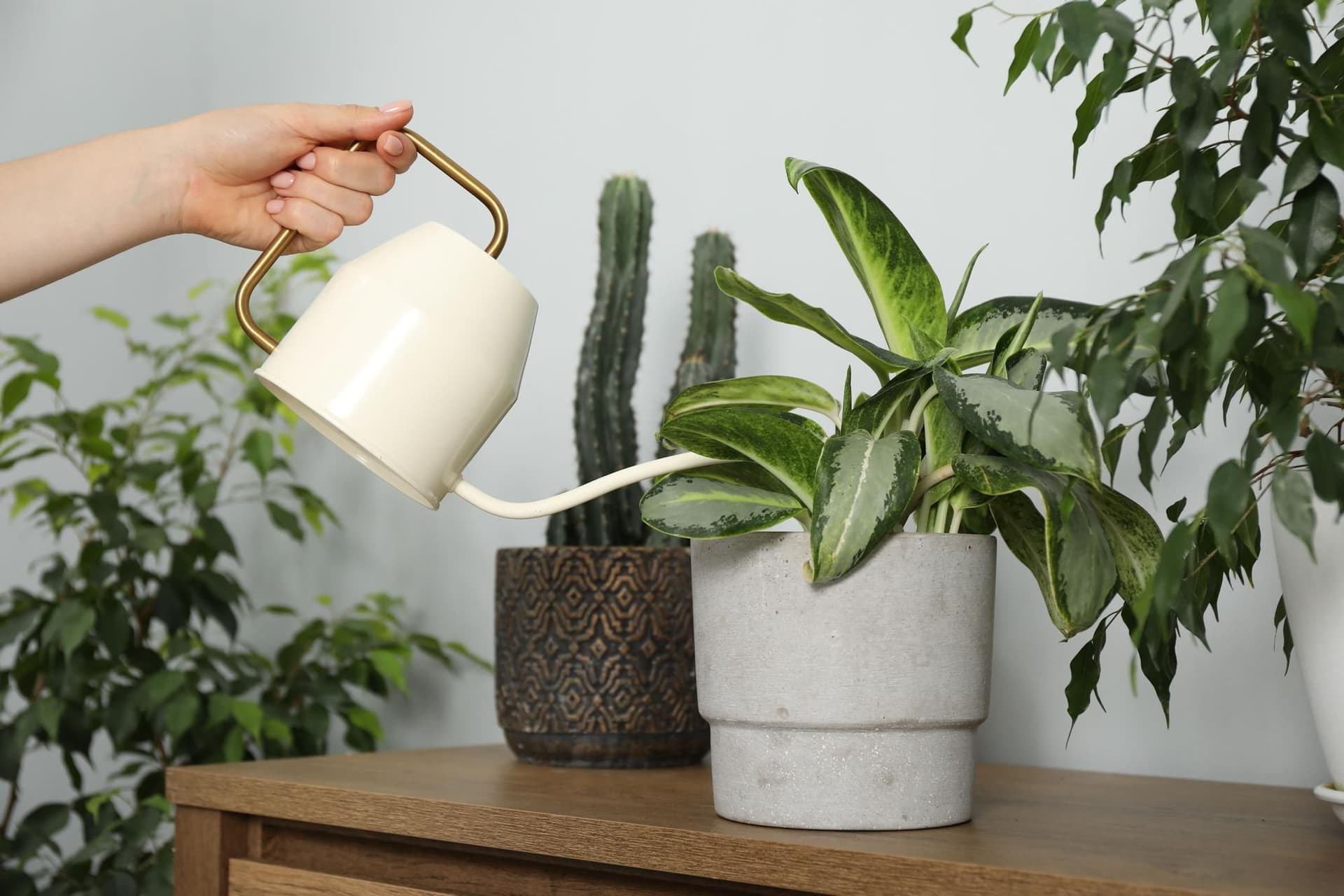
How to Water Houseplants: Watering Guide
Learn how often to water indoor plants, key factors for proper watering, and how to adjust the care routine by plant type, season, pot size, light, and indoor conditions.
Plant Care


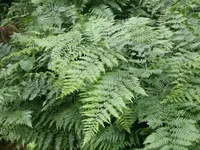
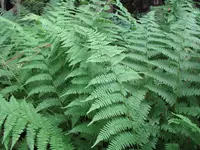
Recognize New York fern by its long, narrow fronds that taper at both ends, with the lowest pinnae shorter than those above. Fronds usually reach 1 to 2 feet (30 to 60 cm).
It forms loose colonies from creeping rhizomes, and each frond is once-pinnate with deeply cut pinnae.
Take or upload a photo to confirm your plant ID with Botan.
Clear images work best. Avoid photos taken too close or too far away
Use these quick visual checks to assess the fern.
Check the frond base shape first, since it is one of the easiest features to see.
New York fern shows clear structural differences between early fronds and established fertile clumps.
In spring, Thelypteris noveboracensis emerges as pale green, tightly coiled fiddleheads that quickly expand into long, tapering fronds. Fresh fronds look soft and light green, which helps separate new growth from older, darker fern cover nearby. By late fall, the fronds yellow and collapse, leaving the plant absent above ground through winter rather than holding evergreen foliage.
These ferns can be mistaken for New York fern.
marsh fern(Thelypteris palustris var. pubescens)
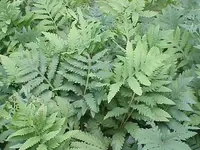
Both have once-pinnate fronds with narrow pinnae. Marsh fern usually has pinnae that stay more even in size toward the tip, not the strongly tapered “tail” seen in New York fern. Its fronds also tend to stand stiffer and more upright.
sensitive fern(Onoclea sensibilis)
Young sterile fronds can suggest the same broad outline. Sensitive fern has deeply lobed segments joined along a winged green rachis, rather than separate pinnae. The frond texture is also coarser and less delicate.
Thelypteris noveboracensis is native to eastern North America, from southeastern Canada through the eastern and southeastern United States. Its range is broad, so habitat is more useful than geography alone. Look for it in wet woods, shaded swamps, seepage areas, streambanks, and other moist to saturated forested ground. Finding a small fern in consistently damp, often acidic woodland habitat helps narrow identification, especially when the site stays cool and humid through the growing season.

Quick Plant ID Check
Not sure what plant you have? Take a photo and identify it in the app
Use Botan to identify or verify the plant from a photo, helping avoid mix-ups before you label it or compare similar plants.
The clearest trait is the frond shape: widest near the middle, tapering at both ends, with the lowest and tip pinnae reduced. This gives a distinctive “both ends narrowed” outline useful in identifying New York fern.
Identify a plant from a photo with Botan, then review plant details, care information, and common problems for that species.

7 min read · 24 Aug 2026
Learn how often to water indoor plants, key factors for proper watering, and how to adjust the care routine by plant type, season, pot size, light, and indoor conditions.
6 min read · 18 Aug 2026
The right fertilizer in summer can make a lawn thrive. The wrong one can damage it. Here, you’ll learn the best NPK ratios by grass type, when and how to apply your formula, and how to recognize the signs of over- or under-fertilizing.
10 min read · 25 Aug 2026
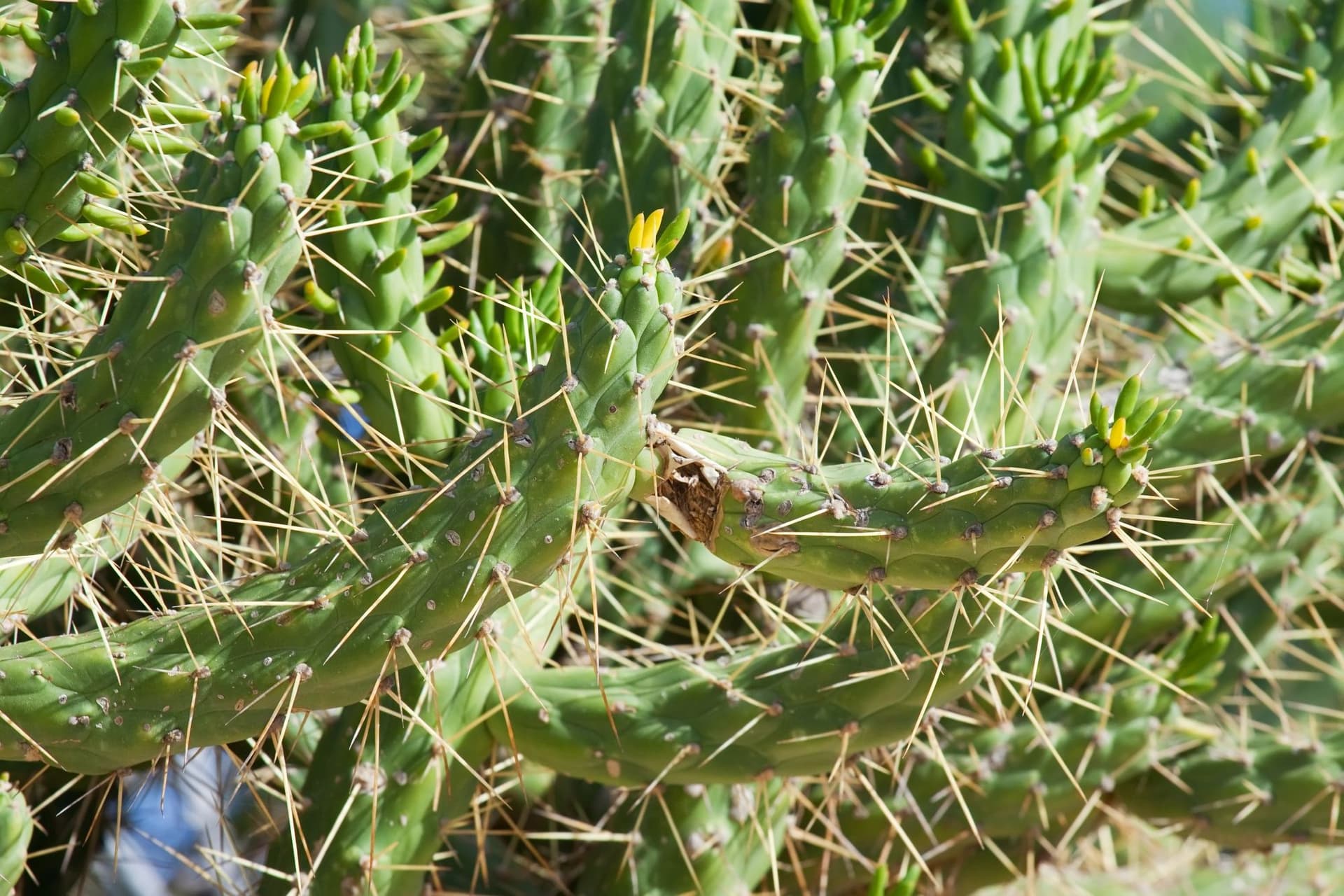
Many plants defend themselves with sharp thorns. This guide explores over 20 examples among flowers, shrubs, trees, and vines. You'll learn what each plant looks like, why it grows thorns, and how to quickly identify them.