Sabre Capespinach Care (Trachyandra falcata)

Sabre Capespinach

About Sabre Capespinach

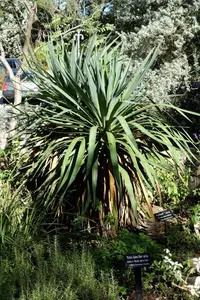
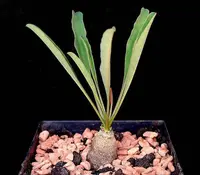
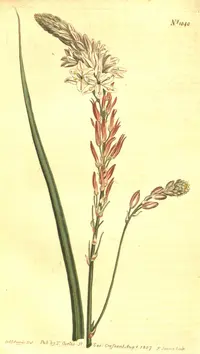
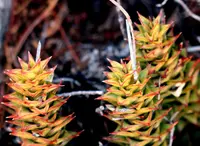
Sabre capespinach, Trachyandra falcata, is a small succulent from arid regions of South Africa. It forms tight clumps of narrow, curved leaves with a distinctive arching shape. During its flowering season, it sends up slender stalks with small, star-like white blooms, adding a delicate contrast to the sculptural foliage. Growth is slow but steady, which suits windowsills and small indoor displays. This species prefers bright light, lean fast-draining soil, and careful watering that allows the roots to dry slightly between waterings. These traits make it moderately easy to grow for those who learn how to care for Sabre Capespinach and avoid overwatering.

Main Plant Requirements

Care Difficulty

Moderate Care

Light Preference

Bright Indirect Light

Water Requirements

Low Water

Temperature Preference

Tropical / Frost Sensitive

Hardiness Zone

Unknown

Soil Texture

Sandy, Loamy

Soil pH

Slightly acidic (6.5–7.0), Neutral (7.0)

Soil Drainage

Well-drained

Fertilization

Minimal (feed rarely)

Get Personalized Care Plan

Scan your plant to receive care tips personalized for your specific plant

Available on iOS and Android

How to Care for the Sabre Capespinach

Trachyandra falcata prefers bright, gentle sun that mimics open, coastal habitats.

  • Provide 4–6 hours of direct morning sun with bright, filtered light or light shade in the afternoon to prevent leaf scorch.
  • Tolerates light, shifting shade for part of the day, but very dim conditions cause stretched, weak growth and reduced leaf texture in Sabre Capespinach.
  • In summer, protect from intense midday sun with shade cloth or dappled canopy; in winter, move to a brighter, south- or west-facing exposure to compensate for shorter days.

Water Trachyandra falcata sparingly, letting the soil dry well between waterings.

  • Before watering, ensure the top 3–5 cm of soil are completely dry and the pot feels noticeably lighter when lifted.
  • During active growth, expect deeper watering every 10–21 days depending on temperature and light; in cooler or low-light periods, extend intervals and water only enough to prevent complete desiccation.
  • Watch for yellowing, soft, or translucent leaves as signs of overwatering and root stress; crisp, folding leaves and very loose, shrunken soil indicate underwatering.

This species prefers mild, dry air rather than temperature extremes.

  • Aim for 65–80°F (18–27°C) during active growth, which supports steady foliage development without stress.
  • Protect from temperatures below 40°F (4°C); light, brief dips may be tolerated, but true frost can damage foliage and underground parts.
  • In hot spells above 90°F (32°C), increase shade and airflow, avoid reflected heat from walls or stone, and water in the cooler morning to limit heat stress.

This succulent tolerates typical indoor humidity and does not need extra moisture control.

  • Aim for 30–50% relative humidity, similar to most heated or air-conditioned homes.
  • Dry air is rarely a problem; only very prolonged exposure near heating vents may cause leaf tips to shrivel slightly.
  • If shriveling or soft, collapsing leaves appear, move the plant away from hot drafts; a small nearby pebble tray is enough for mild humidity support when caring for Sabre Capespinach.

This species needs a fast-draining, airy mix that mimics sandy, rocky ground.

  • Use a cactus/succulent base mix with extra coarse sand or fine grit to keep the texture loose and mineral-rich.
  • Aim for slightly acidic to neutral pH around 6.0–7.0, avoiding heavy lime additions or peat-only mixes that stay wet too long.
  • Mix in perlite or pumice at 30–50% by volume to increase aeration and prevent water from sitting around the roots.
  • Avoid compacted, clay-heavy, or water-retentive soils, which quickly lead to root rot and loss of Trachyandra falcata foliage.

This species is well suited to container growing when drainage and pot choice are handled carefully.

  • Choose a shallow, wide pot so the relatively fine roots can spread laterally while the upper mix dries quickly between waterings.
  • Use unglazed terracotta if moisture tends to linger, since its porous walls help pull water away from the root zone.
  • Elevate the pot slightly on feet or a stand so drainage holes clear the saucer and excess water can escape freely.

Trachyandra falcata is a low-feeding succulent that benefits from light, controlled nutrition during active growth.

  • Use a balanced, low-nitrogen succulent fertilizer (for example 2-7-7) or diluted general balanced NPK at 1/4–1/2 strength.
  • Feed once every 4–6 weeks in spring and early summer when growth is most active, especially when growing Sabre Capespinach indoors.
  • Avoid fertilizing in late fall and winter, when the plant rests and excess nutrients may cause weak, stretched growth.
  • Apply to moist soil only, never on dry roots, and flush the pot with plain water a few times per season to prevent salt buildup.

Trachyandra falcata needs only light, occasional pruning to keep the plant clean and well-shaped.

  • Best time for pruning is late winter to early spring, just before new growth begins.
  • Remove dead, dry, or damaged leaves at the base with clean, sharp scissors or small pruning shears.
  • Thin out crowded, crossing, or distorted shoots to maintain the plant’s rosette form and improve airflow.
  • Avoid cutting healthy green tissue heavily, as this reduces stored reserves in the succulent leaves and slows growth.

This succulent prefers tight quarters and benefits from infrequent, careful repotting to limit stress.

  • Repot only when roots circle the pot, emerge from drainage holes, or when growth slows despite proper light and watering.
  • Plan repotting for late winter or early spring, about every 3–4 years, using a shallow container with ample drainage.
  • Use a gritty cactus mix, handle the brittle roots gently, and tease out circling roots without tearing the root ball excessively.
  • Water lightly after repotting, then allow the soil to dry almost completely before the next watering to reduce rot risk and help roots re-establish.

Trachyandra falcata is usually propagated by seed, with division possible on well-established clumps.

  • Sow fresh seeds in late winter to early spring on the surface of a well-draining, sandy cactus mix, barely covering them.
  • Maintain bright, indirect light, gentle airflow, and temperatures around 65–75°F for steady germination.
  • Keep the mix slightly moist, never wet, using a fine mist or bottom-watering tray until seedlings root well.
  • Divide offsets only when they have their own substantial roots, separating gently and replanting each in a small, free-draining pot.

This succulent is sensitive to hard frost and benefits from dry, cool but frost-free winter conditions.

  • Keep temperatures above 35–40°F; long exposure below freezing can damage leaves and roots.
  • For container plants, move pots indoors or into a bright, unheated but frost-free room or greenhouse.
  • Reduce watering sharply in winter, keeping the soil almost dry to prevent rot in cool conditions.
  • Outdoors in mild climates, ensure excellent drainage and consider a gravel mulch around the crown to keep the base dry.

Care Tips

Rotate For Symmetry

Turn the pot 90° every 2–3 weeks so the rosette receives even light from all sides and keeps a compact, balanced form instead of leaning toward the window.

Protect Delicate Leaves

Position the plant away from traffic areas and avoid brushing or handling the curly leaves, as mechanical damage on this species heals slowly and can attract fungal issues on damaged tissue.

Use Top-Dressing Grit

Apply a 0.5–1 cm layer of inert grit or small gravel on the soil surface to keep the leaf bases dry, reduce splash-back when watering, and discourage fungus gnat larvae.

Cool Resting Period

Provide a slightly cooler, drier rest period in late fall to winter by reducing water and keeping it around 55–65°F, which helps maintain the plant’s longevity and prevents weak, etiolated growth.

Inspect Leaf Bases

During routine checks, gently separate and inspect the basal leaf area for soft spots or discoloration so any early rot or mealybug infestation is caught before it spreads into the crown.

Common Pests and Diseases

Aloe mite

This pest causes distorted, swollen, or broom-like growths (galls) on leaves and at the crown, sometimes with rough or corky tissue. Symptoms include abnormal tufts or fans of growth that do not match the plant’s usual rosettes or spirals.

Solution

Remove and discard all affected leaves or rosettes well below the damaged tissue, using sterilized tools, and destroy the removed material rather than composting it. Isolate the plant, monitor for new galls, and if infestation persists, use a sulfur-based miticide labeled for ornamental succulents while also reducing plant-to-plant contact to limit spread.

Aloe rust

This disease produces small yellow spots on the leaves that turn brown to black and may develop into sunken lesions, often in scattered patches. Symptoms include cosmetic but sometimes extensive spotting that reduces the plant’s vigor under stress conditions.

Solution

Cut off badly spotted leaves with clean tools and discard them, then keep foliage dry by watering at the soil level and improving airflow around the plant. Provide bright, dry conditions, avoid overhead watering, and if needed apply a copper-based fungicide labeled for ornamental succulents during humid periods to limit new infections.

Mealybugs

These insects appear as white cottony clusters in leaf folds, at the leaf bases, or on roots, and they excrete sticky honeydew that can attract sooty mold. This pest weakens plants over time and may cause yellowing or stunted new growth.

Solution

Physically remove visible mealybugs with a cotton swab dipped in 70% isopropyl alcohol, and rinse the plant with a gentle stream of water, taking care to keep the crown from staying wet too long. For heavier infestations, repeat alcohol spot-treatments weekly, use an insecticidal soap or horticultural oil labeled for succulents, and inspect nearby plants since mealybugs move easily between them.

Scale insects

These insects form hard, shell-like bumps along leaves and stems, often tan to brown, and they remain fixed in place while feeding on plant sap. This pest causes gradual decline, including loss of vigor and localized yellow patches around feeding sites.

Solution

Gently scrape or peel off individual scales with a fingernail or soft tool, or dab them with 70% isopropyl alcohol to break down their protective coating, then wipe the surfaces clean. Follow up with an application of horticultural oil or insecticidal soap, repeat every 7–10 days as needed, and reduce plant stress by providing adequate light and avoiding overwatering as part of general Trachyandra falcata plant care.

Interesting Facts

South African coastal specialist

This species is naturally restricted to winter-rainfall coastal regions of South Africa, where it grows in sandy soils and low shrubland known as fynbos, adapted to bright light, wind, and seasonal drought.

Spiral leaf architecture

Its narrow, falcate (sickle-shaped) leaves often twist or arch into loose spirals, an adaptation that can reduce direct sun exposure on the leaf surface and limit water loss in its exposed, dry habitats.

Bulb-like storage base

The plant forms a thickened, bulb-like base at or just below the soil surface, which stores water and nutrients to help it survive long dry periods common in its native range.

Botan icon

Did you know?

In its natural habitat, this species often appears only during its active season and can retreat almost entirely below ground during unfavorable conditions, relying on its swollen base to resprout when moisture and temperatures become suitable again.

FAQs about Sabre Capespinach

This species generally performs better in bright, dry outdoor conditions or in a very sunny, cool indoor spot. Indoors, good airflow and a gritty, fast-draining mix are essential to prevent rot and maintain its compact form.

Grow Healthy Plants with Botan Care

Keep your plants happy and healthy with plant identification, disease detection, and easy care guidance.

Botan plant care app — identify plants on mobile

Explore More Plants