Weeping Yucca Care (Yucca gloriosa var. tristis)

Weeping Yucca

About Weeping Yucca

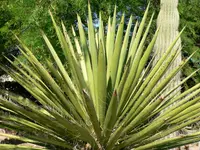
The weeping yucca, Yucca gloriosa var. tristis, is an evergreen shrub or small tree from coastal areas of the southeastern United States. It belongs to the asparagus family and forms stiff, sword-like leaves that arch and bend, giving the plant a graceful, cascading look.

Mature plants develop a woody trunk and produce tall flower spikes with white, bell-shaped blooms. The plant tolerates heat, wind, and salt, which makes it suitable for exposed gardens.

Yucca gloriosa var. tristis prefers sunny, well-drained sites and copes well with dry conditions once established. These traits make it relatively low-maintenance if you understand how to care for Weeping Yucca in a bright, dry position.

Main Plant Requirements

Care Difficulty

Easy Care

Light Preference

Full Sun

Water Requirements

Low Water

Temperature Preference

Cold Hardy

Hardiness Zone

7–11

Soil Texture

Sandy, Loamy, Rocky

Soil pH

Slightly acidic (6.5–7.0), Slightly alkaline (7.0–7.5)

Soil Drainage

Well-drained

Fertilization

Minimal (feed rarely)

Get Personalized Care Plan

Scan your plant to receive care tips personalized for your specific plant

Available on iOS and Android

How to Care for the Weeping Yucca

This yucca prefers bright conditions that mimic open coastal or dry scrub habitats.

  • Provide 6–8 hours of direct sun daily; full sun is ideal, with morning sun and some light afternoon shade in very hot inland areas.
  • The plant tolerates light or dappled shade, but stems may stretch and leaf color dulls if it receives less than 4 hours of direct sun.
  • In summer, gradually acclimate Weeping Yucca to intense sun to prevent leaf scorch; in cooler seasons, ensure shade from low light is minimized.

Yucca gloriosa var. tristis has low to moderate water needs and prefers to dry between waterings.

  • Before watering, let the top 5–8 cm of soil dry; in free-draining ground this often means deep watering every 10–21 days depending on heat and rainfall.
  • Use sharply drained soil or a sandy, gritty mix so excess water runs off quickly, preventing root rot and leaf yellowing from chronic saturation.
  • Reduce watering in cool seasons, watching foliage; limp, yellowing lower leaves suggest overwatering, while crisp leaf tips and folding leaves suggest the plant stayed too dry too long.

This yucca is quite hardy and adapts to a wide range of outdoor temperatures.

  • Optimal growing temperatures are around 65–85°F (18–29°C), with strong light and dryish soil promoting compact, healthy growth.
  • Established plants tolerate brief drops near 0°F (−18°C), but foliage damage becomes more likely below 10°F (−12°C), especially in exposed, windy sites.
  • In summer heat above 95°F (35°C), provide some afternoon shade and maintain drainage; in winter, cold plus waterlogged soil greatly increases crown and root damage risk.

This species handles a wide humidity range and rarely needs special humidity management.

  • Ideal humidity is 30–50%, matching typical home and outdoor conditions in many regions.
  • Weeping Yucca tolerates very dry air, so low household humidity or heated rooms usually cause no stress.
  • Only in extremely arid, hot indoor spots might you see crisp leaf tips, which improve more from reduced heat and drafts than from added humidity.

Yucca gloriosa var. tristis prefers fast-draining, mineral soils that do not stay wet around the roots.

  • Use a sandy or gritty mix, such as 50–70% coarse sand or grit blended with a cactus potting mix to keep roots aerated.
  • Aim for slightly acidic to slightly alkaline pH (6.0–7.8), which most standard cactus or succulent mixes already provide.
  • Improve drainage and structure by adding coarse sand, perlite, or small gravel, avoiding fine peat-heavy mixes that compact around the root zone.
  • Do not plant in dense clay or water-retentive organic-rich media, which encourage root rot and stem base decay.

This species is well suited to container growing outdoors where winters are cool or space is limited.

  • Choose a heavy, wide-based pot to counter the tall, top-heavy rosette and prevent tipping in strong winds.
  • Select a deep container that allows the fibrous roots to anchor firmly, reducing stress in exposed, sunny positions.
  • Use a porous material such as unglazed clay, which lets excess moisture evaporate faster and keeps the root zone drier.

This drought-tolerant shrub needs only light feeding to maintain steady growth and flowering.

  • Apply a balanced slow-release fertilizer (such as 8-8-8 or 10-10-10) once in early spring as new growth starts.
  • Use compost or a thin layer of well-rotted organic matter around the root zone instead of frequent synthetic feeding.
  • During late spring to midsummer, a half-strength liquid balanced feed every 6–8 weeks can support caring for Weeping Yucca in poorer soils.
  • Stop feeding in late summer and avoid winter fertilization to prevent soft, frost-prone growth.

Pruning Yucca gloriosa var. tristis is mainly done to remove damaged tissue and manage shape.

  • Carry out main pruning in late winter to early spring before strong new growth begins.
  • Cut away dead, diseased, or storm-damaged leaves and stems at their base with clean, sharp bypass pruners or a saw.
  • Thin crowded rosettes or remove older stems to open the plant, reduce top weight, and encourage new side shoots.
  • After flowering, remove spent flower stalks near their base to keep the plant tidy and direct energy back to foliage and roots.

This yucca is usually grown in the ground, so transplanting is more common than container repotting.

  • Consider moving plants when growth slows, roots circle inside a pot, or the clump clearly outgrows its space.
  • Plan transplanting for late spring to early summer, once soil has warmed and frost risk has passed.
  • Expect to transplant mature clumps infrequently, often every several years, because Yucca gloriosa var. tristis prefers to stay undisturbed.
  • Dig a wide root ball, replant at the same depth in fast-draining soil, water deeply once, then keep slightly moist until new growth resumes.

New plants are most reliably produced from offsets and stem cuttings rather than seed.

  • Take stem cuttings or offsets in late spring to midsummer when growth is active and temperatures are warm.
  • Allow cut surfaces to dry and callus for 1–3 days before planting to reduce rot risk.
  • Plant cuttings or offsets in a gritty, fast-draining mix, keep lightly moist, and provide bright light with good airflow.
  • Sow seeds in warm conditions (70–80°F) in a well-draining seed mix, accepting slower, less predictable results than vegetative methods.

This species is fairly cold hardy but benefits from some winter attention in harsher climates.

  • Mature plants tolerate light to moderate frost, but young or container-grown specimens are more vulnerable.
  • Apply a 5–8 cm layer of dry mulch around the base in late fall to moderate root temperature swings.
  • In very cold or wet winters, loosely wrap the crown with breathable frost cloth to limit leaf and bud damage.
  • Move containers to a sheltered, unheated area with bright light and minimal winter watering to prevent root rot.

Care Tips

Wind hardening

In breezy sites, allow moderate, regular wind exposure from an early stage so stems thicken naturally, reducing the need for staking as the clump matures.

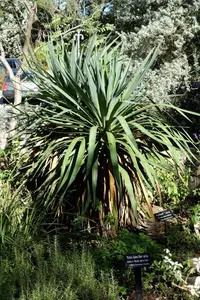
Pup management

Every 2–3 years, remove and replant some basal offshoots with a sharp, clean spade to prevent overcrowding, improve air flow, and create new plants for other locations.

Crown elevation

Once lower leaves yellow and age, remove them cleanly at the base to gradually lift the crown, improving air circulation and reducing habitat for slugs and rot at the stem base.

Mulch ring control

Maintain a 5–8 cm deep mulch ring that stops 5–8 cm short of the stem to keep roots cool and moist while avoiding constant moisture against the trunk, which can invite fungal problems.

Winter drainage check

Before the wet season, confirm that water does not pool around the root zone and, if needed, raise the planting area slightly or add a gravel-filled trench upslope to protect the plant from prolonged saturation when growing Weeping Yucca.

Common Pests and Diseases

Yucca moth larvae

This pest feeds internally in the flowering stems and seed pods, causing boring damage and reduced flowering. Symptoms include distorted or collapsing flower stalks and frass inside damaged tissue.

Solution

Remove and dispose of affected flower stalks and seed pods before larvae complete development, cutting back into healthy tissue. Keep the area around the plant clean of spent inflorescences, and if infestation is heavy, skip seed set by removing flower stalks soon after bloom to break the life cycle while still growing Weeping Yucca for foliage interest.

Scale insects

These insects attach to leaves and stems, sucking sap and causing yellowing, speckling, and gradual decline. This pest often appears as small, dome-shaped or oval bumps along the leaf margins and trunk.

Solution

Physically remove light infestations by gently scraping with a fingernail or soft brush and wiping with a cloth dipped in diluted alcohol. For larger populations, apply a horticultural oil spray to thoroughly coat leaves and stems, repeating as needed while improving light and airflow to support plant vigor.

Yucca leaf spot

This disease produces brown to dark purple spots or streaks on leaves, often starting on older foliage exposed to prolonged moisture. Symptoms include coalescing lesions that can lead to partial leaf death in humid or poorly ventilated sites.

Solution

Prune and discard heavily spotted leaves and avoid overhead watering to keep foliage dry. Improve spacing and airflow, water at the base in the morning, and if the problem persists in very wet climates, consider a targeted copper or other labeled fungicide applied according to local guidelines.

Crown and stem rot

This disease causes soft, water-soaked tissue at the base of the rosette or along the trunk, often following prolonged wet soil and poor drainage. Symptoms include foliage collapse, a foul odor, and browning that moves upward from the crown.

Solution

Cut out all affected soft tissue back to firm, healthy material and allow the area to dry thoroughly, improving drainage and reducing irrigation. In severe cases, take healthy top sections as cuttings to re-root in sharply drained soil, and avoid organic mulches piled against the stem to limit excess moisture.

Yucca plant bug

This pest pierces and sucks sap from leaves, leading to pale stippling, mottling, and rough, sandpapery patches on the blades. Symptoms include cosmetic scarring and, in heavier infestations, gradual leaf yellowing and decline.

Solution

Rinse foliage with a firm stream of water to dislodge nymphs and adults, focusing on leaf bases and undersides. For persistent populations, use a labeled insecticidal soap or horticultural oil, applied in the cooler part of the day, and remove heavily damaged older leaves to reduce shelter sites.

Interesting Facts

Night-fragrant flower spikes

Mature plants produce tall flower spikes with white, bell-shaped blooms that release a stronger fragrance in the evening, an adaptation that helps attract nocturnal pollinators in its native range.

Semi-deciduous leaf habit

Unlike many yuccas, this variety often sheds a portion of its older leaves in colder climates, giving it a more open, softly weeping silhouette compared with the stiffer, fully evergreen forms.

Natural coastal resilience

This taxon is naturally associated with sandy, coastal habitats and tolerates salt-laden winds and poor, shifting soils, which makes Yucca gloriosa var. tristis care instructions especially relevant for exposed seaside gardens.

Botan icon

Did you know?

This yucca forms a thickened, partially woody stem base that can re-sprout after top growth is damaged by frost or storms, allowing long-lived clumps to persist in harsh coastal environments where many other shrubs fail to recover.

FAQs about Weeping Yucca

Lack of flowering often comes from a plant that is still immature, has been recently transplanted, or experiences stress such as root damage or nutrient imbalance. Stable conditions over several seasons usually restore normal bloom production.

Grow Healthy Plants with Botan Care

Keep your plants happy and healthy with plant identification, disease detection, and easy care guidance.

Botan plant care app — identify plants on mobile

Explore More Plants