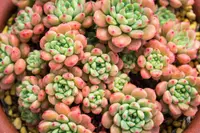
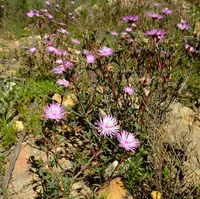
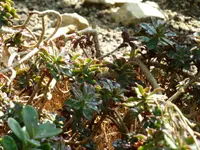
Salty Capespinach Care (Trachyandra saltii)

Salty Capespinach

About Salty Capespinach

Salty capespinach (Trachyandra saltii) is a small, semi-succulent perennial from arid regions of southern Africa. It forms low clumps of narrow, often slightly curled leaves. Growth is compact and slow, so it suits small containers and windowsills. In good conditions it may produce modest flower spikes, but the foliage is usually the main attraction. The plant comes from dry, sunny habitats with fast-draining, often sandy soils. These origins make it relatively tolerant of drought but sensitive to excess moisture around the roots. Anyone who wants to care for Salty Capespinach should focus on bright light, low to moderate watering, and sharply draining soil.

Main Plant Requirements

Care Difficulty

Moderate Care

Light Preference

Bright Indirect Light

Water Requirements

Low Water

Temperature Preference

Tropical / Frost Sensitive

Hardiness Zone

10–11

Soil Texture

Sandy, Loamy, Organic-rich

Soil pH

Slightly acidic (6.5–7.0), Neutral (7.0)

Soil Drainage

Well-drained

Fertilization

Minimal (feed rarely)

Get Personalized Care Plan

Scan your plant to receive care tips personalized for your specific plant

Available on iOS and Android

How to Care for the Salty Capespinach

This compact succulent prefers bright, indirect light with some gentle direct sun.

  • Provide 4–6 hours of bright, filtered light daily, such as east or southeast exposure with soft morning sun for Salty Capespinach.
  • Tolerates light partial shade, especially in hot, dry climates, but growth becomes looser and leaves may stretch if light stays low for weeks.
  • Avoid harsh midday and late-afternoon sun in summer, which can cause leaf scorch; give light shade or sheer curtain protection in the hottest months.

This species stores moisture in its tissues and needs careful, infrequent watering.

  • Water only when the top 3–5 cm of soil are completely dry, letting water run through freely, then discard any excess to protect the roots.
  • In spring and autumn, expect moderate use of water; in summer heat or active growth, drying will be faster, while in winter dormant plants need much less.
  • Watch for overwatering signs like yellowing, soft, or translucent leaves in Trachyandra saltii, and underwatering signs such as wrinkled, thin, or folding leaves.

This plant prefers mild, dry conditions with cool nights and is sensitive to frost.

  • Aim for 60–75°F (16–24°C) for steady growth, with slightly cooler nights improving leaf firmness and overall compact form.
  • Protect from cold below 40°F (4°C); brief dips to 35°F (2°C) may be tolerated if dry, but repeated chills increase rot risk, especially in wet soil.
  • In hotter periods above 85°F (29°C), provide extra shade, airflow, and slightly drier soil, as sustained heat combined with high moisture stresses the roots.

This succulent prefers fairly dry indoor air, so humidity is rarely a concern.

  • Keep ambient humidity around 30–50%, similar to most heated homes, without special equipment.
  • Plant tolerates drier air but may show slight leaf tip browning or shriveling under very low humidity combined with heat.
  • Increase humidity mildly only if needed by grouping plants or placing a shallow pebble tray nearby, avoiding misting Salty Capespinach leaves.

Trachyandra saltii needs a fast-draining, airy mineral-based substrate to avoid root rot.

  • Use a mix of roughly 50–70% gritty materials (pumice, perlite, coarse sand) with 30–50% lean cactus or succulent mix.
  • Aim for slightly acidic to neutral pH, around 6.0–7.0, which suits most commercial cacti blends.
  • Improve aeration by adding extra pumice or perlite so water drains through in seconds rather than pooling on the surface.
  • Avoid dense peat-heavy or clayey substrates that stay wet for more than 1–2 days, as roots are sensitive to low-oxygen conditions.

This species is well suited to container growing due to its compact, shallow-rooted habit.

  • Choose a wide, shallow pot so the fibrous roots can spread laterally without sitting in deep, damp soil zones.
  • Select unglazed terracotta if extra evaporation is needed, since it helps the mix dry faster between waterings.
  • Elevate the pot slightly on feet or a stand so drainage holes remain unobstructed and excess water exits immediately.

This drought-tolerant succulent from arid habitats needs only light feeding in pots; in the ground, Salty Capespinach often manages with minimal nutrients.

  • Use a balanced liquid fertilizer (for example 10-10-10) diluted to 25–50% strength for container-grown plants.
  • Feed once every 4–6 weeks during the active growing season in spring and summer.
  • Avoid fertilizing in fall and winter when growth slows or the plant is dormant.
  • Flush the pot with plain water a few times per season to reduce salt buildup in the soil.

Pruning needs for Trachyandra saltii are minimal and focus mainly on cleanliness and maintaining a tidy outline.

  • Carry out light pruning in late winter or early spring before active growth resumes.
  • Remove dead, yellowing, or damaged leaves at the base using clean, sharp scissors or small snips.
  • Thin out any crowded or distorted shoots to keep the clump open and well-shaped.
  • Avoid heavy cutting into healthy tissue, which can slow recovery and increase rot risk.

This succulent grows slowly and prefers to stay slightly root-bound, so repotting is infrequent and should be done with care.

  • Plan to repot every 2–3 years, or when roots circle the pot or emerge from drainage holes and growth slows.
  • Schedule repotting in late winter to early spring, just before new growth starts.
  • Use a shallow pot with excellent drainage and a gritty cactus or succulent mix to limit root rot risk.
  • Gently loosen the root ball, remove rotted roots, replant at the same depth, and keep soil barely moist for 1–2 weeks to reduce stress.

Propagation of Trachyandra saltii is possible but slow, and is usually done by seed or careful division of mature clumps.

  • Sow fresh seeds in late winter or early spring in a shallow tray filled with sandy, well-drained mix.
  • Maintain bright, indirect light, gentle warmth around 70–75°F, and very light, even moisture for germination.
  • For division, separate offsets only from well-established plants during the active growing season.
  • Allow any cut or broken surfaces to dry and callus for 1–2 days, then plant in a gritty mix and water sparingly.

This species is not strongly frost hardy and benefits from basic winter protection, especially in colder climates or containers.

  • Avoid exposure to hard frost; aim to keep temperatures above about 35–40°F for container plants.
  • Move potted plants indoors or into a bright, cool, frost-free spot for winter in cold regions.
  • Reduce watering substantially in winter, keeping the soil almost dry to prevent root rot.

Care Tips

Controlled pot depth

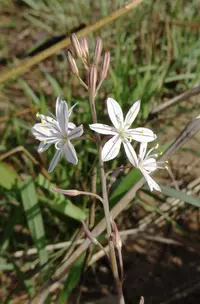
Use a shallow, wide pot so the tuber-like base sits just above the soil line, which keeps the crown dry and reduces rot in compact indoor conditions.

Seasonal rest period

In late spring to summer, allow a light dry rest by extending intervals between waterings and avoiding repotting, which supports its natural dormancy cycle and leads to stronger growth the following season.

Targeted root inspection

When repotting, gently unpot and check the swollen roots for any soft, dark areas, trimming damaged tissue with sterilized tools before replanting to prevent rot from spreading.

Bottom-watering routine

Water from the saucer for 10–15 minutes, then drain off excess so the upper root zone stays slightly drier, which suits its rot-sensitive base while still hydrating the fine roots below.

Inert top-dressing

Add a thin layer of coarse sand or fine gravel on the soil surface to keep the crown dry, stabilize the plant, and discourage fungus gnats that are attracted to constantly moist topsoil when growing Salty Capespinach.

Common Pests and Diseases

Mealybugs

This pest feeds on sap and hides in leaf bases and tight curls of the foliage, often leaving white cottony clusters. Symptoms include distorted new growth, sticky honeydew, and sometimes sooty mold on older leaves.

Solution

Isolate the plant, then dab visible insects with cotton swabs dipped in 70% isopropyl alcohol and gently wipe along the leaf bases and crown. Repeat weekly until no new insects appear, and improve light and air movement; for heavier infestations use a labeled systemic insecticide suitable for succulents, following package directions carefully.

Aphids

These insects cluster on soft new growth and flower stalks, sucking sap and causing curling or yellowing leaves. Sticky residue and a decline in vigor are common signs.

Solution

Move the plant to a sink or outdoors and rinse aphids off with a firm stream of lukewarm water, taking care not to damage the fleshy leaves. Follow up with applications of insecticidal soap or a ready-to-use neem oil spray every 7–10 days until no aphids remain, and avoid overfertilizing, which encourages tender, susceptible growth.

Spider mites

This pest thrives in warm, dry indoor air and can cause fine speckling, dulling of the leaves, and very fine webbing near the leaf bases. Symptoms include slow decline and a grayish, dusty look to foliage.

Solution

Increase humidity around the plant slightly and rinse foliage thoroughly, including the undersides and inner curls, to dislodge mites. Apply miticidal soap or horticultural oil according to label instructions, repeating every 7–10 days, and keep the plant in bright, stable conditions to support recovery.

Basal crown rot

This disease affects the dense crown where leaves emerge, especially if the potting mix stays wet and cold. Symptoms include a mushy, brown base, foul odor, and sudden collapse of the spiral leaves.

Solution

At the earliest signs, withhold water, improve drainage, and increase airflow and warmth around the plant. Remove the plant from its pot, cut away all soft, discolored tissue with a sterile blade, dust the wound with a dry sulfur or copper-based fungicide if available, then repot into fresh, gritty succulent mix and water sparingly until new firm growth appears.

Leaf spot

This disease causes small, sunken, brown or tan lesions on the fleshy leaves, sometimes with a darker margin. Symptoms include slow expansion of spots and occasional cracking or drying of affected tissue.

Solution

Remove and discard heavily spotted leaves, keep foliage dry during watering, and improve spacing and airflow around the plant. If new spots continue to appear, apply a broad-spectrum fungicide labeled for ornamental succulents according to directions and avoid overhead watering or prolonged leaf wetness as part of long-term Trachyandra saltii care.

Interesting Facts

Coastal Namaqualand specialist

This species is naturally restricted to arid coastal parts of Namaqualand in northwestern South Africa, where it grows on sandy or gravelly soils exposed to strong sun and wind.

Distinctive twisted foliage

It develops narrow, often spiraled or twisted leaves that emerge from a short, underground stem base, an adaptation that helps reduce direct sun exposure and water loss in its dry habitat.

Seasonal growth pattern

In habitat it follows a winter-growing, summer-dormant cycle linked to winter rainfall, producing leaves and flowers in the cooler, wetter months and retreating during hot, dry periods.

FAQs about Salty Capespinach

This species stays relatively contained. It forms small clumps or rosettes and slowly enlarges from the base rather than running or seeding aggressively, so it is unlikely to overrun nearby plants or garden spaces.

Grow Healthy Plants with Botan Care

Keep your plants happy and healthy with plant identification, disease detection, and easy care guidance.

Botan plant care app — identify plants on mobile

Explore More Plants