Spiderwort Care (Tradescantia 'Concord Grape')

Also known as: Widow's-Tears, Tradescantia (Andersoniana Group)
Spiderwort

About Spiderwort

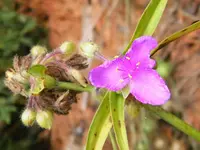
Spiderwort (Tradescantia 'Concord Grape') is a compact, vining houseplant valued for its rich purple foliage and trailing growth. Stems creep or cascade, making it suitable for hanging baskets or shelf edges.

This cultivar originates from garden selections of Tradescantia species native to the Americas, especially warm, humid regions. Its colorful leaves and fast growth make it popular for adding contrast in mixed indoor collections.

The plant is generally considered easy to grow, as it tolerates occasional neglect and recovers quickly from pruning. It prefers bright, indirect light, lightly moist but well-drained soil, and moderate indoor humidity, which simplifies how to care for Spiderwort for most home growers.

Main Plant Requirements

Care Difficulty

Easy Care

Light Preference

Bright Indirect Light

Water Requirements

Moderate Water

Temperature Preference

Tropical / Frost Sensitive

Hardiness Zone

9–11

Soil Texture

Loamy, Sandy, Organic-rich

Soil pH

Acidic (5.5–6.5), Slightly acidic (6.5–7.0)

Soil Drainage

Moist but well-drained

Fertilization

Light (every 4–6 weeks)

Get Personalized Care Plan

Scan your plant to receive care tips personalized for your specific plant

Available on iOS and Android

How to Care for the Spiderwort

This plant prefers bright, indirect light to maintain compact growth and rich purple foliage.

  • Provide 4–6 hours of bright, filtered light daily, such as near an east- or north-facing window or in light dappled shade outdoors.
  • Tolerates light morning sun but avoid strong midday or afternoon sun, which can scorch leaves and fade color, especially behind glass.
  • In deeper shade growth becomes leggy and green; move Spiderwort to a brighter spot gradually, especially in winter when days are shorter.

This plant prefers lightly moist, fast-draining soil without staying soggy.

  • Water when the top 2–3 cm of soil feels dry, using enough water to moisten the whole root zone, then let excess drain away completely.
  • In spring and summer, expect to water more often as growth is faster; in fall and winter, extend the drying period between waterings.
  • Signs of overwatering include limp, yellowing stems and blackened roots, while crisp leaves and drooping, thin stems suggest underwatering in Tradescantia 'Concord Grape'.

This plant grows best in mild, stable temperatures and does poorly in frost or extreme heat.

  • Ideal growing temperatures are 65–80°F (18–27°C), with slightly cooler nights supporting compact, healthy foliage.
  • Avoid temperatures below 50°F (10°C); brief dips to 45°F (7°C) may be tolerated but can slow growth and damage tender tips.
  • Protect from frost and cold drafts, and in hot spells above 90°F (32°C) provide shade and extra airflow to prevent leaf scorch and stress.

This plant benefits from moderate to slightly elevated humidity to keep foliage dense and colorful.

  • Aim for 40–60% humidity; average home levels are usually adequate if watering is consistent.
  • Tolerates drier air but leaf tips may brown and edges may curl if humidity stays low for long periods.
  • Increase humidity by grouping Spiderwort with other plants or placing pots on a pebble tray with water below the pot base.

This plant prefers a light, airy, fast-draining substrate that still holds some moisture between waterings.

  • Use a peat- or coco-based mix with added perlite or pumice to keep the soil loose and prevent waterlogging.
  • Aim for slightly acidic to neutral pH, around 6.0–7.0, which suits most standard houseplant mixes.
  • For Tradescantia 'Concord Grape', include some fine bark or compost to add organic matter without making the mix heavy.
  • Avoid dense garden soil, clay-heavy mixes, or containers where water lingers at the bottom longer than 1–2 days.

This species is very suitable for container growing, including hanging baskets and shallow pots.

  • Choose a container that is wider than it is deep to accommodate creeping stems and spreading root growth.
  • Use a pot material that slightly breathes, such as unglazed terracotta, if the environment is humid to prevent prolonged wetness.
  • Ensure the container is stable or weighty enough that trailing stems do not tip it over as they elongate and become one-sided.

This Spiderwort cultivar responds well to light, consistent feeding during its active season.

  • Use a balanced liquid fertilizer (such as 10-10-10 or 20-20-20) diluted to 1/4–1/2 strength.
  • Feed every 4–6 weeks in spring and summer while growth is vigorous.
  • Skip or reduce feeding to 1 light dose mid-season in fall and stop in winter dormancy.
  • Avoid heavy, frequent applications; flush the pot with plain water occasionally to limit salt buildup.

Pruning keeps Tradescantia 'Concord Grape' compact, dense, and attractive.

  • Pinch or trim stem tips throughout spring and summer to encourage branching and fuller growth.
  • Remove dead, yellowing, or damaged leaves and stems with clean scissors or small pruners.
  • Cut back long, leggy vines by 1/3–1/2 to refresh the plant and promote new shoots.
  • Disinfect tools before and after use to limit disease spread between plants.

Repotting helps this trailing plant maintain steady growth and a healthy root system.

  • Plan to repot every 1–2 years in spring when roots circle the pot, escape drainage holes, or growth slows.
  • Move up only 2–5 cm in pot diameter, using a fresh, well-draining soilless mix.
  • Water lightly before repotting, then gently loosen roots without tearing thick mats.
  • After shifting, water thoroughly once, then keep in bright, indirect light and slightly drier soil for 1–2 weeks to reduce stress.

This plant is commonly propagated to refresh older pots and share new starts.

  • Use stem cuttings 8–12 cm long taken in spring or summer, with at least 2–3 nodes.
  • Root cuttings in water or directly in moist, well-draining mix kept at 68–75°F.
  • Remove lower leaves, insert nodes just below the surface, and maintain high humidity and bright, indirect light.
  • For quick thick pots, place several cuttings together near the rim and center of the container.

In most climates this cultivar is treated as a tender houseplant that dislikes freezing conditions.

  • Move outdoor containers indoors before temperatures drop below 50°F, placing them in bright, indirect light.
  • Maintain indoor temperatures around 60–75°F and avoid cold drafts near windows or doors.
  • Water less often in winter, allowing the top layer of soil to dry slightly more between waterings.

Care Tips

Regular Stem Renewal

Every 3–4 months, cut back the oldest, woodiest stems to just above a leaf node to encourage dense new growth and prevent the plant from becoming sparse at the base.

Tip Propagation Rotation

Routinely root 5–8 cm tip cuttings in water or moist potting mix and replant them into the original pot to maintain a full, cascading appearance over time.

Color Maintenance Check

If foliage turns dull or mostly green, gradually move the plant to a slightly brighter position over 1–2 weeks to restore the purple tones without shocking the leaves.

Strategic Basket Placement

Place the plant in a hanging basket where the longest vines can trail freely without rubbing against walls or shelves, which reduces mechanical damage and leaf scarring.

Pest Monitoring Routine

Inspect the undersides of leaves and stem joints weekly with a hand lens or phone camera zoom, so any early spider mite or mealybug activity is detected and treated before it spreads when caring for Spiderwort.

Common Pests and Diseases

Spider mites

This pest is common on Tradescantia in dry indoor air and causes fine stippling, dull leaves, and webbing on stems and undersides of foliage.

Solution

Rinse foliage thoroughly with lukewarm water, including leaf undersides, then increase humidity and improve air movement; if needed, treat with insecticidal soap or a ready-to-use horticultural oil every 7–10 days until no new damage appears.

Mealybugs

These insects appear as white, cottony clusters in stem joints and on leaf bases, often causing stunted growth and sticky honeydew on surrounding surfaces.

Solution

Isolate the plant, remove visible insects with a cotton swab dipped in 70% isopropyl alcohol, then wash the plant and follow up with insecticidal soap sprays weekly until no new mealybugs are seen.

Aphids

This pest feeds on tender shoot tips and new leaves, causing curling, distortion, and shiny honeydew that can attract sooty mold.

Solution

Prune heavily infested tips, rinse stems and leaves under a gentle stream of water, and apply insecticidal soap to all green parts, repeating every 5–7 days until populations are controlled.

Botrytis blight

This disease thrives in cool, humid, low-light conditions and causes soft, water-soaked patches on leaves and stems that develop gray, fuzzy mold.

Solution

Remove and discard all affected tissue, thin out crowded growth, improve air circulation, and keep foliage dry; reduce overhead watering and, in persistent cases, use a labeled fungicide suitable for ornamental houseplants.

Bacterial leaf spot

Symptoms include small, water-soaked spots that turn brown or black, sometimes with yellow halos, often spreading quickly along wet foliage.

Solution

Promptly remove and discard affected leaves, avoid splashing water on foliage, water at the soil level, and increase spacing and airflow; in severe or recurring cases, consider discarding the most affected plant to protect nearby Tradescantia 'Concord Grape' plants.

Interesting Facts

Pigment-dependent color shift

The foliage color of this cultivar shifts between grape-purple and olive-green depending on light intensity, because its anthocyanin pigments are more strongly expressed under higher light and cooler temperatures than in many related Tradescantia forms.

Compact trailing habit

Compared with many other Tradescantia cultivars, this plant maintains shorter internodes and thicker, more tightly spaced stems, which gives it a denser, cascading form when grown in hanging baskets or on shelves.

Cool-temperature coloration

Growers observe that the purple tones deepen noticeably in cooler seasons or in air-conditioned interiors, indicating that this selection was stabilized for strong cold-enhanced pigmentation within the Tradescantia zebrina complex.

FAQs about Spiderwort

Brown, crispy leaf edges usually result from low humidity, salt buildup from fertilizer, or chronic underwatering. Flush the pot thoroughly, trim damaged tips, maintain moderate humidity, and adjust watering so the root zone dries slightly but never fully.

Grow Healthy Plants with Botan Care

Keep your plants happy and healthy with plant identification, disease detection, and easy care guidance.

Botan plant care app — identify plants on mobile

Explore More Plants