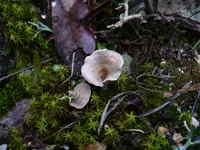
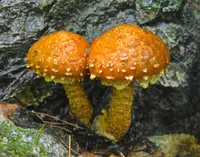
fragrant bracket Care (Trametes suaveolens)

fragrant bracket

About fragrant bracket

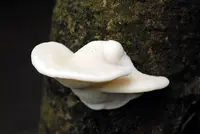
Fragrant bracket, Trametes suaveolens, is a wood-decaying bracket fungus rather than a leafy houseplant. It forms thick, pale fruiting bodies on dead or weakened hardwood trees, often in layered shelves. The surface is usually cream to light gray, with a tough, corky texture.

This species is native to temperate regions of Europe, Asia, and North America, where it plays an important role in breaking down dead wood. It is not typically grown indoors, and attempts to care for fragrant bracket focus on providing decaying wood, shade, and consistent natural moisture outdoors rather than standard pot culture.

Main Plant Requirements

Care Difficulty

Moderate Care

Light Preference

Partial Shade

Water Requirements

Keep Soil Moist

Temperature Preference

Cool Climate

Hardiness Zone

4–9

Soil Texture

Loamy, Silty, Organic-rich

Soil pH

Acidic (5.5–6.5), Slightly acidic (6.5–7.0)

Soil Drainage

Moist but well-drained

Fertilization

Minimal (feed rarely)

Get Personalized Care Plan

Scan your plant to receive care tips personalized for your specific plant

Available on iOS and Android

How to Care for the fragrant bracket

This wood-decaying fungus thrives on shaded to lightly sunlit trunks where moisture is stable.

  • Provide bright dappled light or light shade, with no more than 2–4 hours of gentle morning sun and full protection from strong afternoon sun to prevent drying of the host wood.
  • Fragrant bracket tolerates deep shade under closed canopies, but fruiting bodies are fuller and less distorted with at least filtered daylight for 6–8 hours.
  • In summer, increased canopy shade helps prevent desiccation, while in winter more open light is acceptable as long as the substrate does not dry or overheat.

This species relies on consistent moisture in its woody substrate rather than direct surface watering.

  • Ensure the host log or stump stays evenly moist, letting only the outer 1–2 cm of wood feel just dry before re-wetting to avoid long drought periods that halt Trametes suaveolens growth.
  • Use well-drained, coarse woody material so water does not pool; chronic sogginess causes anaerobic pockets, mold competition, and rotting of developing brackets.
  • In hot, dry spells, monitor for shrinking, brittle brackets as a sign of low moisture, and for limp, waterlogged tissue or sour smells as indicators of excess water.

This fungus prefers cool to mild conditions but tolerates a fairly wide outdoor temperature range.

  • Aim for 50–70°F (10–21°C) during active growth, which supports steady decomposition of the wood and formation of firm brackets.
  • It survives brief drops to about 25–30°F (-4 to -1°C), but repeated hard freezes below this can damage fruiting bodies even if the underlying mycelium endures.
  • Temperatures above 80°F (27°C), especially with low humidity, slow growth and dry the substrate, so partial shade and moisture retention become increasingly important in midsummer.

Humidity is not a primary concern for Trametes suaveolens grown on suitable woody substrates outdoors.

This wood-decaying fungus does not grow in regular potting soil and instead requires a lignin-rich, woody substrate.

  • Use freshly cut or well-seasoned hardwood logs or thick branches, with intact bark, as the main growth medium rather than any mineral soil mix.
  • Keep the wood evenly moist but not submerged; allow excess water to drain or evaporate so the substrate stays damp, not waterlogged.
  • Place logs in partial shade where air can move freely around them, which limits competing molds while keeping surface moisture relatively stable.
  • Avoid compacted, anaerobic conditions such as buried or tightly wrapped logs, since Trametes suaveolens relies on oxygen diffusion through wood pores for healthy mycelial growth.

This species is not well suited to conventional container growing, since it naturally colonizes solid wood rather than soil-filled pots.

Trametes suaveolens is a saprophytic fungus that colonizes wood and generally does not need added fertilizer in typical cultivation or observation settings.

Pruning is not a standard practice for Trametes suaveolens, since each bracket is a short-lived fruiting body that naturally appears and decays on dead wood.

This species is usually managed by moving colonized wood rather than repotting, since it grows as a fungus within logs or stumps, not as a potted plant.

  • Transplant by relocating colonized logs during cool, moist weather in spring or fall to limit drying and stress.
  • Choose fresh, undecayed host wood nearby so mycelium can bridge gradually from the old log into the new substrate.
  • Handle pieces gently to keep the internal mycelial network intact and avoid dropping or splitting the wood.
  • After moving, position wood in shaded, humid conditions and avoid letting it sit in standing water.

Propagation of Trametes suaveolens is specialist work and is typically done only by those culturing fungi on prepared substrates or logs.

In its normal outdoor habitat this fungus is fully cold hardy and needs no specific winter care beyond stable habitat conditions.

Care Tips

Use hardwood logs

Inoculate freshly cut, disease-free hardwood logs (such as poplar or willow) within 4–6 weeks of cutting so the mycelium colonizes rich, uncompeted wood and produces more reliable brackets over time.

Seal inoculation points

After inserting dowel spawn or plug spawn, seal each hole with food-grade wax to reduce moisture loss and block contaminant fungi from entering the wood.

Control log moisture

Keep inoculated logs in a shaded, wind-sheltered area and soak them for 12–24 hours if they become very light and dry, since consistent internal moisture is essential for sustained fruiting.

Stack for airflow

Arrange colonizing logs in crib stacks or lean them in A-frame style so that air can move between pieces, which limits rot and unwanted mold growth while still retaining adequate humidity.

Monitor colonization progress

Check cut ends of logs every few months for white, fan-like mycelial growth, and only move them to a prominent display or fruiting area once colonization is even, which makes caring for fragrant bracket more predictable and effective.

Common Pests and Diseases

Xylophagous beetle larvae

This pest bores galleries inside the fruiting bodies and underlying dead wood, weakening and deforming brackets over time. Symptoms include crumbly, tunneled tissue and small emergence holes on the bracket surface.

Solution

Cut away and discard heavily tunneled brackets, then remove or reduce exposed decaying wood where possible to lower beetle attraction. For cultivation setups, keep brackets in well-ventilated, drier conditions and use fine mesh or physical barriers around fruiting shelves to exclude adult beetles from laying eggs.

Fungal fruiting body competitors

This disease complex occurs when other wood-decay fungi colonize the same substrate and overgrow or infiltrate the brackets. Symptoms include patchy discoloration, odd-textured areas, or mixed fruiting structures emerging from the same log or shelf.

Solution

Remove and discard brackets that show heavy overgrowth or mixed fungal structures, and avoid reusing contaminated wood for growing Trametes suaveolens. In managed culture, use fresh, properly sterilized or pasteurized substrate and maintain stable humidity and airflow so the intended fungus can dominate colonization.

Mite colonization

These insects are actually tiny arachnids that feed on spores and surface tissues, leaving dusty-looking patches and slightly eroded pore surfaces. Symptoms include fine speckling, powdery debris, and reduced spore production on the underside of brackets.

Solution

Gently brush or rinse affected brackets with clean water to dislodge mites, then improve air movement and avoid overly stagnant, high-humidity pockets around the fruiting area. In indoor culture, isolate affected blocks, clean shelves and surrounding surfaces, and, if needed, use sticky traps nearby to reduce populations of small arthropods that can carry mites.

Bacterial soft rot

This disease develops in very wet, poorly ventilated conditions and causes localized soft, watery decay in the brackets. Symptoms include slimy patches, an unpleasant odor, and rapid collapse of affected tissue.

Solution

Cut away soft, slimy areas and discard them, then improve drainage and airflow around the substrate or log to prevent standing moisture. For indoor fragrant bracket care, reduce direct misting on the brackets themselves, water the substrate more sparingly, and keep humidity moderately high but not condensing on surfaces.

Interesting Facts

Distinct anise-like scent

Fresh fruiting bodies of this bracket fungus often release a noticeable anise or fennel-like aroma, which is unusual among polypores and inspired the common name fragrant bracket.

Preference for wet habitats

This species is strongly associated with wet or periodically flooded environments and is frequently found on willows, poplars, and other broadleaf trees growing along rivers, lakes, and wetlands.

White-rot wood decomposer

Trametes suaveolens is a white-rot fungus that breaks down lignin in hardwoods, helping recycle tough woody material and playing an important role in nutrient cycling in riparian forests.

Botan icon

Did you know?

Genetic and morphological studies have shown that Trametes suaveolens is closely related to other Trametes species used as model organisms for lignin degradation research, so it is sometimes included in comparative studies of wood-decaying enzyme systems.

FAQs about fragrant bracket

Growth is relatively fast once the fungus colonizes suitable dead or dying hardwood. Brackets expand over several weeks to months, often forming new tiers annually as long as host wood and moisture remain available.

Grow Healthy Plants with Botan Care

Keep your plants happy and healthy with plant identification, disease detection, and easy care guidance.

Botan plant care app — identify plants on mobile

Explore More Plants