


Mark Dormant Clumps
After the foliage dies back in summer, mark clump locations with discreet stakes or stones so you do not accidentally dig into the rhizomes during other garden work.

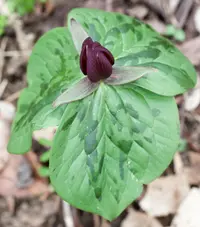
Toadshade, Trillium sessile, is a spring-blooming woodland perennial native to eastern and central North America. It grows from an underground rhizome and returns each year. Compact plants typically carry three mottled leaves arranged in a whorl, topped by a stiff, upright, maroon flower that lacks obvious petals. The bloom sits directly above the foliage, giving the plant a distinctive, sculptural look. In nature, it occurs in rich, deciduous woodlands and along shaded slopes with moist, humus-rich soil. Once established, it is long-lived but slow to spread, so patience is important when learning how to care for toadshade. It prefers dappled shade, consistent moisture, and undisturbed soil.

Care Difficulty
Moderate Care

Light Preference
Partial Shade

Water Requirements
Regular Water

Temperature Preference
Cold Hardy

Hardiness Zone
4–8

Soil Texture
Loamy, Silty, Organic-rich

Soil pH
Acidic (5.5–6.5), Slightly acidic (6.5–7.0)

Soil Drainage
Moist but well-drained

Fertilization
Minimal (feed rarely)
Scan your plant to receive care tips personalized for your specific plant
Available on iOS and Android
Trillium sessile is a woodland species that thrives in dappled, forest-like light conditions.
This woodland perennial prefers evenly moist, cool soil that never stays waterlogged.
This species is adapted to temperate woodland climates with cool to mild growing seasons and cold winters.
This woodland perennial prefers moderately moist air but usually adapts to typical outdoor humidity levels.
This species needs loose, humus-rich soil that stays evenly moist yet drains freely.
This species can be grown in containers, but it performs best when the pot closely mimics cool, deep woodland soil conditions.
Trillium sessile is a woodland perennial that needs only light, careful feeding to stay healthy.
Trillium sessile has minimal pruning needs, mainly focused on hygiene rather than shaping.
Trillium sessile is usually grown in the ground and dislikes frequent disturbance, so transplant only when necessary.
Trillium sessile is slow to increase and most propagation is done by careful division rather than seed.
This species is cold hardy in much of its range and normally needs little active winter care.

Plant Health Check
Not sure what's wrong with your plant? Check your plant's health inside the app.
In this species the flower has no stalk and sits directly on the whorl of leaves, a feature that gives rise to the species name sessile, meaning without a stem in botanical Latin.
The maroon flowers release a faint odor similar to decaying organic matter, which attracts flies and beetles that act as pollinators.
Its seeds bear a fatty appendage called an elaiosome that attracts ants, which carry the seeds away, eat the elaiosomes, and leave the seeds to germinate in new locations.

The dark mottling on the leaves resembles the dappled patterns of the forest floor, which likely provides camouflage from herbivores in early spring before the tree canopy fully leafs out.
This woodland perennial spreads slowly by rhizomes and self-seeding, usually forming small clumps over many years. It is not considered aggressive, but seedlings may appear nearby if conditions are favorable and soil is left undisturbed.
Keep your plants happy and healthy with plant identification, disease detection, and easy care guidance.

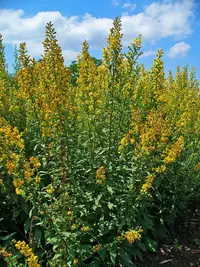
goldenrod
Solidago virgaurea
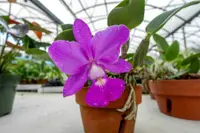
Walker's Cattleya
Cattleya walkeriana
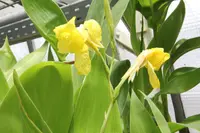
Bandanna-of-the-Everglades
Canna flaccida
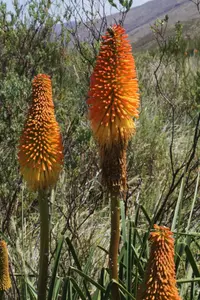
Red hot pokers
Kniphofia uvaria
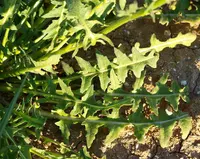
Dichasianthus runcinatus
Dichasianthus runcinatus
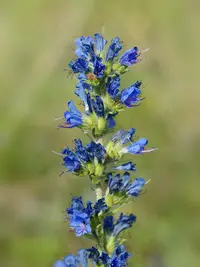
viper's bugloss
Echium vulgare
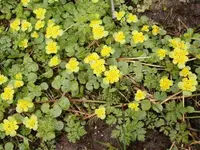
Alternate-leaved Golden-saxifrage
Chrysosplenium alternifolium
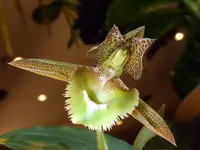
fringed catasetum
Catasetum fimbriatum