water-lily tulip Care (Tulipa kaufmanniana)

water-lily tulip

About water-lily tulip

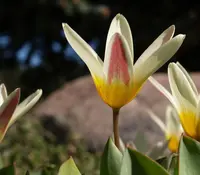
The water-lily tulip, Tulipa kaufmanniana, is a compact, early-blooming bulb prized for its star-shaped flowers that open wide in sun, resembling small water lilies. Plants usually stay low to the ground, forming neat clumps that suit borders, rock gardens, and naturalized lawns.

This species is native to Central Asia, where it grows in open, sunny, and often rocky slopes with well-drained soils. It is considered relatively easy to grow in gardens with cold winters, provided the bulbs stay dry in summer and do not sit in heavy, waterlogged ground.

Gardeners who learn how to care for water-lily tulip appreciate its reliable early color and its ability to return for several seasons when planted in suitable conditions.

Main Plant Requirements

Care Difficulty

Moderate Care

Light Preference

Full Sun

Water Requirements

Moderate Water

Temperature Preference

Cold Hardy

Hardiness Zone

3–8

Soil Texture

Sandy, Loamy, Organic-rich

Soil pH

Acidic (5.5–6.5), Slightly acidic (6.5–7.0)

Soil Drainage

Well-drained

Fertilization

Minimal (feed rarely)

Get Personalized Care Plan

Scan your plant to receive care tips personalized for your specific plant

Available on iOS and Android

How to Care for the water-lily tulip

Tulipa kaufmanniana needs strong light to flower well and maintain compact growth.

  • Provide 6–8 hours of direct sun daily, ideally with bright morning sun and lighter afternoon exposure, especially in warmer climates.
  • Allow light partial shade (2–3 hours) in hot regions to prevent leaf scorch and premature flower fade in water-lily tulip plantings.
  • Site bulbs in an open, unshaded position from late winter to spring; avoid dense summer shade that can weaken bulbs for the next season.

Tulipa kaufmanniana prefers evenly moist but never soggy soil during active growth.

  • Water only when the top 3–5 cm of soil feel dry, applying enough to moisten the root zone without leaving standing water.
  • During flowering and leaf growth, keep soil slightly moist; once foliage starts yellowing, gradually reduce watering to let bulbs dry and enter dormancy.
  • Watch for yellowing, soft bulbs or a sour smell as signs of overwatering, and limp, prematurely crisping leaves as a sign the soil is staying too dry.

This species is adapted to cool springs and cold winters, with bulbs needing a marked chill period.

  • For active spring growth, aim for 45–65°F (7–18°C), which supports sturdy stems and long-lasting flowers.
  • Bulbs tolerate winter cold down to about 0°F (-18°C) in well-drained soil; consistent snow cover improves protection in colder zones.
  • Prolonged heat above 80°F (27°C) during growth shortens bloom life; in hot-summer climates, ensure good soil drainage so bulbs stay cool and dry once dormant.

Humidity is not a critical factor for Tulipa kaufmanniana, which thrives in typical outdoor air conditions.

This tulip prefers sharply drained, moderately fertile soil that never stays waterlogged.

  • Use a sandy or gritty loam with at least 30–40% coarse sand or fine gravel to keep the root zone aerated.
  • Aim for slightly acidic to neutral pH, around 6.0–7.0, which supports nutrient uptake without stressing the bulbs.
  • In beds, mix in compost in the top 15–20 cm only, keeping the bulb zone light and free-draining.
  • Avoid heavy clay, compacted areas, or spots where snowmelt or irrigation collects and lingers around the bulbs.

This species grows well in containers when the pot is prepared for fast drainage and bulb depth.

  • Choose a deep container (at least 20–25 cm) so bulbs can sit twice their height below the rim while still leaving room for mulch or topdressing.
  • Use a rigid, heavier material like ceramic or thick plastic to prevent tipping in windy spring conditions once stems elongate.
  • Line the bottom with a thin layer of coarse gravel above the drainage holes to keep the lower bulb layer from sitting in residual water.

Tulipa kaufmanniana benefits from modest feeding that supports flowering without forcing soft, weak growth.

  • Apply a balanced, slow-release bulb fertilizer or compost once in early spring as new shoots emerge, following label rates.
  • If using liquid balanced NPK, feed every 2–3 weeks during active growth at 1/2 strength on moist soil.
  • Stop feeding once foliage starts yellowing so bulbs can dry down and enter dormancy naturally.
  • Avoid high-nitrogen products that produce lush leaves but fewer flowers and weaker bulbs.

Pruning needs for Tulipa kaufmanniana are minimal and focus on post-bloom cleanup rather than shaping.

  • Deadhead faded flowers in spring by cutting just below the spent bloom to reduce seed formation and conserve bulb energy.
  • Leave green leaves intact until they yellow and collapse naturally, then remove them cleanly at the base.
  • Use clean, sharp scissors or hand pruners to avoid tearing tissue and reduce disease risk.
  • Do not cut stems or foliage early, as this reduces photosynthesis and weakens next year’s flowering.

This bulb is usually grown in the ground, so focus on occasional lifting and transplanting rather than frequent repotting.

  • Lift and divide clumps every 3–5 years in late summer or early fall when growth has fully died back.
  • Transplant when flowering declines, bulbs seem crowded, or bulbs push toward the soil surface.
  • Replant bulbs at 10–15 cm depth in well-drained soil, spacing them to allow air flow and future offsets.
  • Handle bulbs gently, keep roots and basal plates shaded and slightly moist, and replant promptly to reduce transplant stress.

Propagation of Tulipa kaufmanniana is mainly done by bulb offsets rather than by seed for home growers.

  • Lift parent bulbs in late summer or early fall when dormant and gently separate firm, healthy offsets.
  • Replant offsets in free-draining soil at 10–15 cm depth, spacing several cm apart for airflow and future expansion.
  • Label planting areas and keep soil moderately moist in fall to encourage new root growth before winter.
  • Seed propagation is slow and used mainly by specialists; seedlings may need several years to reach flowering size.

This tulip is cold hardy in most temperate climates and generally needs only basic winter care.

  • Bulbs tolerate typical winter frosts when planted at proper depth in well-drained soil.
  • In colder areas or exposed sites, apply a 5–7 cm mulch layer after the ground cools to insulate the root zone.
  • Container-grown bulbs are more vulnerable; move pots into an unheated garage, cold frame, or sheltered porch to avoid deep freezing.

Care Tips

Post-bloom feeding

After flowers fade but leaves are still green, apply a balanced granular bulb fertilizer around the clump and water it in to recharge the bulbs for next year’s display.

Mark bulb positions

As soon as foliage dies back, mark clump locations with discreet stakes or labels so you avoid damaging bulbs during summer planting or cultivation.

Dry-summer protection

In regions with wet summers, cover the planting area with a temporary plastic cloche or use sharply drained gravel mulch to keep the dormant bulbs from sitting in saturated soil.

Timing bulb division

Lift and divide crowded clumps only after foliage has fully yellowed, then replant the firm, healthy bulbs immediately at the correct depth to maintain flowering performance.

Rodent deterrence

In areas with vole or squirrel pressure, plant bulbs in rigid plastic bulb baskets or line the planting hole with 1 cm mesh hardware cloth to reduce losses while growing water-lily tulip in garden beds.

Common Pests and Diseases

Tulip fire

This disease causes brown spots, twisted or scorched-looking leaves, and distorted flowers, often killing emerging shoots. Symptoms include a scorched or burned appearance that makes plants fail early in the season.

Solution

Remove and destroy all affected plants and nearby plant debris immediately, then avoid overhead watering and crowding to keep foliage dry and airy. In beds with a past history of tulip fire, rotate out of tulips for several years and plant only healthy, inspected bulbs, optionally using a labeled preventive fungicide soak before planting if the problem is severe.

Basal bulb rot

This disease starts at the base of the bulb, causing soft, brown decay, poor sprouting, and yellowing foliage that collapses early. Symptoms include a sunken, discolored basal plate and often white fungal growth between bulb scales.

Solution

Discard any soft or discolored bulbs before planting and avoid reusing soil or sites where affected bulbs grew. Plant bulbs in well-drained soil at the correct depth, avoid overwatering, and remove and destroy any plants that emerge weak and collapse, then rest the area from tulips for several seasons.

Tulip breaking virus

This virus causes streaked or mottled petals and can also lead to stunted growth and weaker bulbs over time, even when flowers look attractive. Symptoms include irregular color breaks on petals that differ from the normal cultivar pattern.

Solution

Remove and destroy infected plants and bulbs as soon as color breaking is suspected, since there is no cure. Control aphids that spread the virus using targeted insecticidal soap or horticultural oil, and plant only virus-free bulbs from reputable suppliers to reduce future risk when trying to grow Tulipa kaufmanniana.

Aphids

These insects feed on young leaves and flower stems, causing curling, distortion, and sticky honeydew that can attract sooty mold. This pest also acts as a vector for viruses that damage tulips over time.

Solution

Wash colonies off with a firm stream of water, then treat remaining clusters with insecticidal soap or a light horticultural oil, coating the undersides of leaves. Remove heavily infested or weak shoots and reduce nearby weed hosts so aphids have fewer places to build up around the planting area.

Narcissus bulb fly

This pest lays eggs at the base of bulbs; the larvae tunnel inside, causing hollow bulbs, poor emergence, and sudden collapse of foliage. Symptoms include bulbs that feel unusually light or hollow when cut open, with visible white maggots inside.

Solution

Lift and inspect bulbs in late summer, discarding any that are tunneled or hollow, and avoid leaving old bulbs in the ground where flies can breed. Use fine mesh or fleece over vulnerable plantings during the main egg-laying period and plant bulbs a bit deeper and into firmer soil to make access more difficult for adult flies.

Interesting Facts

Early-blooming desert tulip

This species is among the earliest tulips to flower in spring, an adaptation to its native dry, continental habitats in Central Asia where it must complete growth and seed set before summer drought and heat.

Water-lily style flowers

Its broad, flattened tepals open fully in strong light so the flower sits almost flat like a small water lily, a trait that has inspired both its common name water-lily tulip and selective breeding in ornamental horticulture.

Strong color contrast

Wild forms typically show a pale cream to white background with a distinct reddish to carmine blotch at the base of each tepal, creating a strong bullseye pattern that helps guide early spring pollinators to nectar and pollen.

Botan icon

Did you know?

Tulipa kaufmanniana has played a key role in breeding compact, early-flowering garden tulips, and many popular rock-garden and border hybrids trace their earliness, low stature, and starry flower form back to this Central Asian species.

FAQs about water-lily tulip

Lack of flowering often comes from bulbs planted too shallow or too deep, depleted bulbs after many years, or warm winters without enough chilling. Crowding, heavy shade, or cutting foliage too early after bloom also reduces flower production.

Grow Healthy Plants with Botan Care

Keep your plants happy and healthy with plant identification, disease detection, and easy care guidance.

Botan plant care app — identify plants on mobile

Explore More Plants