Encourage Strong Leader
Select a single central leader while the tree is young and remove competing upright stems during late winter to build a stable structure that resists storm damage as it matures.

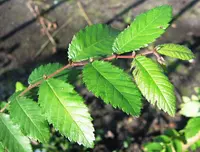
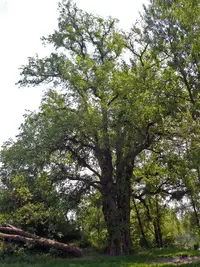
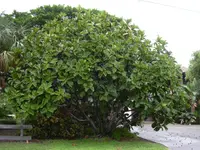
Winged elm, Ulmus alata, is a medium-sized deciduous tree known for the corky, wing-like ridges along its young branches. It forms a rounded to irregular crown and has small, serrated leaves that turn yellow in fall.
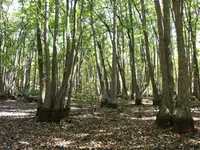
This species is native to the southeastern United States, where it grows in woodlands, stream banks, and disturbed sites. It is valued for its toughness, fast growth, and ability to tolerate heat, wind, and variable soil conditions.
These traits make it relatively easy to establish in many landscapes, though it still benefits from proper placement and basic care for winged elm. It generally prefers full sun, moderate moisture, and well-drained soil.

Care Difficulty
Easy Care

Light Preference
Full Sun

Water Requirements
Moderate Water

Temperature Preference
Cold Hardy

Hardiness Zone
6–9

Soil Texture
Sandy, Loamy, Clay

Soil pH
Acidic (5.5–6.5), Slightly acidic (6.5–7.0)

Soil Drainage
Moist but well-drained

Fertilization
Minimal (feed rarely)
Scan your plant to receive care tips personalized for your specific plant
Available on iOS and Android
This North American elm prefers full sun but adapts to light shade in many landscapes.
Ulmus alata prefers steadily moist, well-drained soil once established in the landscape.
This hardy elm tolerates a wide temperature range across much of the US climate zones.
This species tolerates a wide humidity range and usually does not need special humidity management outdoors.
Ulmus alata accepts varied soils but grows best in moderately moist, aerated, well-structured ground.
This tree can be grown in containers only on a short- to medium-term basis, mainly for young specimens or bonsai-style training.
Ulmus alata usually needs minimal fertilization once established in the ground.
Pruning Ulmus alata focuses on structural strength and removing weak wood.
Winged elm is usually grown in the landscape, so care centers on correct transplanting rather than frequent repotting.
Propagation of Ulmus alata is practical for nurseries and experienced gardeners using seeds or cuttings.
Ulmus alata is cold hardy in much of its native range and usually needs little specific winter care outdoors.

Plant Health Check
Not sure what's wrong with your plant? Check your plant's health inside the app.
This elm develops distinctive corky ridges or “wings” along its 2–3-year-old twigs, formed by extra cork cambium tissue, which makes the branches look flattened and four-angled.
Winged elm naturally occupies dry upland woods, rocky slopes, and well-drained sandy or loamy soils in the southeastern US, showing much higher drought tolerance than most other native elms.
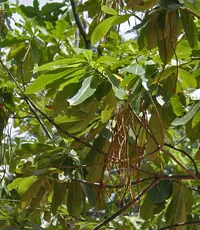
Its small, early-ripening samaras (winged seeds) are produced in late winter to early spring and are eaten by birds and small mammals before many other tree species have set seed.

In the southeastern United States, winged elm is one of the few native elms that commonly colonizes abandoned fields and disturbed upland sites, helping stabilize soils and paving the way for later-successional tree species.
This species typically shows moderate growth, averaging about 30–60 cm per year once established. Growth rate increases in deep, well-drained soil with consistent moisture and decreases in compacted, dry, or nutrient-poor sites.
Keep your plants happy and healthy with plant identification, disease detection, and easy care guidance.