Windfirm Training
In the first 3–5 years, lightly stake young trees in windy sites and gradually loosen ties each season so the trunk develops strength without rubbing damage.

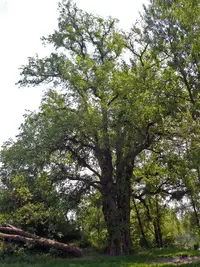
European white elm (Ulmus laevis) is a large, fast-growing deciduous tree valued mainly for parks, avenues, and naturalistic landscapes, not as a houseplant. It develops a broad, irregular crown with arching branches, rough bark, and simple serrated leaves that turn yellow in autumn. In nature, it occurs across central and eastern Europe, often along rivers, floodplains, and moist woodlands. This species tolerates periodic flooding and heavier soils, which can simplify site selection in suitable climates. However, its size, need for space, and vulnerability to Dutch elm disease mean that long-term cultivation requires thoughtful planning and monitoring. Those who want to learn how to care for European White Elm should focus on adequate light, moisture-retentive but drained soil, and good overall tree health.

Care Difficulty
Moderate Care

Light Preference
Full Sun

Water Requirements
Regular Water

Temperature Preference
Cold Hardy

Hardiness Zone
4–7

Soil Texture
Loamy, Clay, Silty

Soil pH
Acidic (5.5–6.5), Slightly acidic (6.5–7.0)

Soil Drainage
Moist but well-drained

Fertilization
Minimal (feed rarely)
Scan your plant to receive care tips personalized for your specific plant
Available on iOS and Android
Ulmus laevis prefers bright sites with some protection from intense afternoon sun, especially in warmer regions.
Ulmus laevis prefers consistently moist, but not waterlogged, soil, especially while establishing.
This elm is hardy to cold climates and copes well with a wide temperature range once established.
Ulmus laevis handles a wide humidity range, so humidity management is rarely critical outdoors.
Ulmus laevis prefers deep, moist, loamy soil with strong structure and steady drainage.
This species can be grown in containers only short to medium term, as roots eventually outgrow confined space.
Ulmus laevis benefits from modest, targeted feeding in poor or compacted soils, but mature trees in fertile ground often need no additional fertilizer.
Ulmus laevis responds well to thoughtful structural pruning that focuses on safety and long-term tree health.
This elm is usually grown in the ground, so care focuses on correct transplanting rather than frequent repotting.
Ulmus laevis is usually propagated by seed or softwood cuttings in managed settings, rather than by home growers at scale.
European White Elm is a cold-hardy deciduous tree that usually needs minimal winter care once established in the landscape.

Plant Health Check
Not sure what's wrong with your plant? Check your plant's health inside the app.
This species shows high tolerance to the European elm bark beetle Scolytus multistriatus, which often prefers other elm species. Because of this, it can act as a reservoir host without suffering the same level of damage as more susceptible elms.
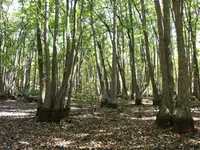
It is strongly associated with natural river floodplains in central and eastern Europe, where it tolerates periodic flooding and waterlogged soils better than many other elm species.
Its flat, round winged fruits (samaras) are produced before leaf-out and are easily carried by spring floodwaters, which helps the species colonize new riverbanks and alluvial terraces downstream.

Ulmus laevis is one of the few European native trees strongly protected under the EU Habitats Directive in several countries, where conservation plans focus on preserving old, genetically diverse stands in natural riverine forests because of their high value for specialized insects, lichens, and cavity-nesting birds.
This species is generally fast-growing, often adding 30–60 cm of height per year in youth under good conditions. Growth slows as it matures. Soil fertility, moisture, and space for roots strongly influence the actual rate.
Keep your plants happy and healthy with plant identification, disease detection, and easy care guidance.