sessileleaf bellwort Care (Uvularia sessilifolia)

Also known as: sessile bellwort, wild-oats
sessileleaf bellwort

About sessileleaf bellwort

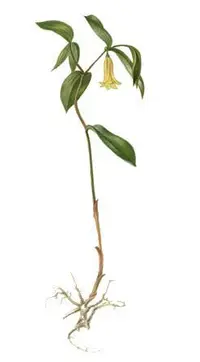
Sessileleaf bellwort (Uvularia sessilifolia) is a small, woodland perennial native to eastern North America. It spreads slowly by rhizomes, forming loose colonies under trees and shrubs. Its arching stems carry narrow, sessile leaves and delicate, pale yellow, bell-shaped flowers that dangle in spring. The plant goes semi-dormant by midsummer in hotter areas. This species prefers cool, shaded to partially shaded sites with consistently moist, humus-rich soil. It suits naturalistic gardens and shaded borders that mimic deciduous woodland. Once established, it is relatively low-maintenance, but sensitive to drought and soil compaction, which guides how to care for sessileleaf bellwort in home gardens.

Main Plant Requirements

Care Difficulty

Moderate Care

Light Preference

Partial Shade

Water Requirements

Moderate Water

Temperature Preference

Cold Hardy

Hardiness Zone

3–9

Soil Texture

Loamy, Silty, Organic-rich

Soil pH

Acidic (5.5–6.5), Slightly acidic (6.5–7.0)

Soil Drainage

Moist but well-drained

Fertilization

Minimal (feed rarely)

Get Personalized Care Plan

Scan your plant to receive care tips personalized for your specific plant

Available on iOS and Android

How to Care for the sessileleaf bellwort

This woodland perennial prefers soft, filtered light that mimics a deciduous forest understory.

  • Provide 2–4 hours of gentle morning sun with bright dappled shade the rest of the day; avoid strong afternoon sun that can scorch leaves.
  • Plant sessileleaf bellwort under open trees, on a north or east side, or where light is filtered through shrubs or groundcover.
  • In summer, increased canopy shade is beneficial; in early spring, slightly higher light before trees leaf out supports flowering without stress.

This species prefers consistently moist, cool soil but reacts poorly to waterlogged conditions.

  • Aim for evenly moist soil; allow only the top 2–3 cm to start drying before the next deep soak, especially in sandy or fast-draining sites.
  • Ensure humus-rich, well-drained soil so water drains within a few minutes; pooling, sour smell, or blackened stems indicate overwatering or poor drainage.
  • During hot, dry periods, increase watering when foliage starts to soften or curl slightly; reduce watering once plants go dormant after leaf yellowing.

This spring woodland plant is cold hardy yet appreciates moderate temperatures during active growth.

  • Optimal growth occurs around 55–70°F (13–21°C) in spring, when cool soils and mild air support strong shoots and flowering.
  • Mature clumps tolerate winter lows near 0°F (−18°C) under mulch or snow cover; brief colder snaps are usually survived if roots are insulated.
  • In late spring and summer, plants handle 75–85°F (24–29°C) if soil stays moist and shaded; sustained hotter, dry conditions can cause early dormancy.

This woodland perennial prefers moderately moist air but usually copes with typical household humidity.

  • Aim for 40–60% humidity to reduce leaf edge browning during active growth.
  • In very dry air, watch for curling, papery leaf tips and faster soil drying as signs of humidity stress.
  • Increase humidity with a pebble tray under the pot or by grouping plants, avoiding misting that can promote foliar disease.

This species thrives in loose, humus-rich woodland-type soil that stays evenly moist yet drains freely.

  • Use a mix of roughly 50% compost or leaf mold, 30–40% garden loam, and 10–20% pine bark or perlite for structure and drainage.
  • Target slightly acidic to neutral pH around 5.5–7.0, avoiding strongly alkaline or limy substrates that can limit nutrient uptake.
  • Maintain a crumbly, loamy texture that allows roots to penetrate easily while holding some moisture without becoming sticky or compacted.
  • For Uvularia sessilifolia care, avoid heavy clay or poorly drained areas; if needed, raise the planting zone with organic matter to improve aeration.

This species can grow in containers if the setup mimics a cool, moist woodland root zone.

  • Choose a wide, shallow container to accommodate its spreading rhizomes and prevent waterlogging of deeper unused soil layers.
  • Use a heavier clay or ceramic pot outdoors to keep the root zone cooler and reduce rapid moisture swings in sun or wind.
  • Elevate the pot slightly on risers so drainage holes never sit in collected water, limiting root rot in this moisture-loving plant.

This woodland perennial has modest nutrient needs and often thrives in humus-rich soil with minimal feeding.

  • Use a light top-dressing of leaf mold or garden compost in early spring to mimic forest litter.
  • If soil is poor, apply a balanced, slow-release fertilizer (around 10-10-10) at half strength once in spring.
  • Avoid summer and winter feeding; allow sessileleaf bellwort to rest naturally during dormancy.
  • Do not apply fertilizer to dry soil; water lightly before and after feeding to reduce root burn risk.

Pruning needs for Uvularia sessilifolia are low and mainly focused on cleanup rather than shaping.

  • In late fall or early winter, cut back dead stems at ground level using clean, sharp snips.
  • Remove damaged or diseased foliage as soon as noticed to limit spread of problems.
  • Avoid heavy cutting of healthy growth since it does not improve flowering or vigor.
  • Leave some spent stems or leaf litter in naturalistic beds to support soil life if disease-free.

This species is most often grown in the ground, so care focuses on gentle division and transplanting rather than frequent repotting.

  • Transplant or divide clumps in early spring or early fall when growth is slow and temperatures are mild.
  • Look for crowded clumps, reduced flowering, or bare centers as signs that division would be beneficial every 3–5 years.
  • Lift the clump carefully, tease apart rhizomes with minimal root breakage, and replant at the same depth in moist, rich soil.
  • Water thoroughly after transplanting, then keep soil evenly moist and shaded to reduce transplant shock.

Propagation of this woodland perennial is most reliable by division, with seed used mainly for patient growers.

  • Divide established clumps in early spring or early fall, keeping several healthy shoots and roots per division.
  • Replant divisions immediately into humus-rich, consistently moist, shaded soil, then water well.
  • Sow fresh seed outdoors in a cold frame or nursery bed; it often needs natural winter chilling to germinate.
  • Label seed beds and expect slow, uneven germination, then grow seedlings on in shade until large enough to move.

This hardy woodland plant tolerates typical winter conditions in much of its range and needs only minimal care.

  • Foliage naturally dies back after frost; leave it in place or remove for tidiness once fully dry.
  • Apply a 3–5 cm layer of leaf mold or shredded leaves over the root zone in late fall to buffer freeze–thaw cycles.
  • Container-grown plants are less insulated; move pots to a sheltered, unheated area where soil does not freeze solid for long periods.

Care Tips

Mark Dormant Clumps

Flag or discreetly label clumps in late spring so their location is clear after summer dieback, which helps avoid accidental digging or treading when the plant is fully dormant and invisible above ground.

Layered Leaf Mulch

Apply a thin, loose layer (2–3 cm) of shredded deciduous leaves around the plants each autumn to mimic woodland litter, stabilizing soil moisture and temperature while allowing new shoots to emerge easily in spring.

Gentle Woodland Companions

Pair plants with shallow-rooted, non-aggressive woodland species like spring ephemerals and low ferns so roots are not outcompeted and soil structure remains friable around the delicate rhizomes.

Careful Division Timing

Divide clumps only in early spring as new shoots just emerge, using a clean knife to separate small sections with several buds, then replant immediately at the same depth to reduce stress and improve establishment.

Slug And Snail Patrol

Inspect emerging shoots frequently in early spring and hand-remove slugs and snails or use physical barriers such as copper tape or sharp grit rings, since early foliage damage can stunt growth for the rest of the season when caring for sessileleaf bellwort.

Common Pests and Diseases

Slugs and snails

These pests feed on the tender spring shoots and leaves, often leaving irregular holes and shredded edges, especially in damp, shaded sites.

Solution

Hand-pick at dusk or early morning, use low-profile slug traps or iron phosphate bait placed away from children and pets, and reduce hiding spots by clearing dense leaf litter right around the clumps while still maintaining general woodland mulch.

Leaf spot

This disease causes small brown to tan spots on older leaves, which may merge into larger blotches in prolonged wet conditions.

Solution

Remove and dispose of affected leaves, water at soil level rather than overhead, thin surrounding vegetation to improve air movement, and if spots spread quickly in very wet seasons consider a labeled copper or chlorothalonil fungicide applied according to local regulations.

Rust

This disease produces small orange to rusty pustules on the undersides of leaves, sometimes leading to premature yellowing and drop.

Solution

Promptly prune and discard infected foliage, avoid wetting leaves when watering, increase spacing between clumps or neighboring plants, and in recurring cases apply a suitable ornamental rust fungicide early in the season when the first pustules appear.

Root-knot nematodes

These microscopic worms can attack roots in light, sandy soils, causing stunting, reduced vigor, and poor clump expansion over time.

Solution

Lift and discard severely affected plants, improve soil with organic matter to support beneficial organisms, rotate planting areas if possible, and when replanting use healthy divisions in amended, moisture-retentive woodland soil to reduce nematode pressure.

Interesting Facts

Spring woodland specialist

This species is a spring ephemeral, emerging and flowering in early spring before the forest canopy fully leafs out, then largely disappearing from view by midsummer as the foliage withers back to its underground rhizomes.

Sessile leaf adaptation

Its leaves appear attached directly to the stem without stalks (sessile), a trait that likely helps it intercept low, angled spring light efficiently on the forest floor.

Clonal forest colonies

The plant slowly spreads by slender rhizomes, forming loose, often extensive colonies that can persist in the same woodland site for many years if the leaf litter and soil structure remain undisturbed.

Botan icon

Did you know?

The seeds bear a small, fatty structure called an elaiosome that attracts ants, which carry the seeds back to their nests, eat the elaiosome, and discard the still-viable seeds in nutrient-rich waste piles, helping disperse the species across the forest floor.

FAQs about sessileleaf bellwort

Young shoots and leaves are reported as traditionally edible when properly identified and cooked, but flavor is mild and use is uncommon. For safety, most home gardeners treat this species as ornamental rather than a food plant.

Grow Healthy Plants with Botan Care

Keep your plants happy and healthy with plant identification, disease detection, and easy care guidance.

Botan plant care app — identify plants on mobile

Explore More Plants