Shape As Hedge
When establishing a hedge, lightly tip-prune young shoots 1–2 times in the first growing season to encourage dense side-branching and a fuller screen from the base upward.

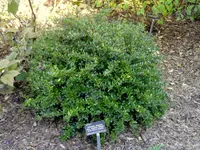
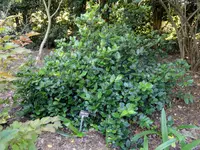
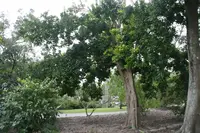
Small-leaf arrowwood (Viburnum obovatum) is an evergreen to semi-evergreen shrub native to the southeastern United States. It often grows as a dense, multi-stemmed bush or can be trained into a small tree.
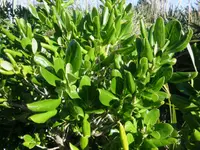
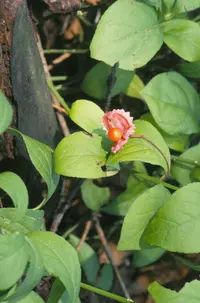
The plant has many small, glossy leaves and produces clusters of white spring flowers, followed by dark berries that attract birds. Its compact habit and tolerance of pruning make it suitable for hedges, screens, and foundation plantings.
This species adapts to a range of soils and moisture levels, which simplifies how to care for small-leaf arrowwood. It generally prefers sun to light shade and benefits from well-drained soil, making it a reliable choice for low-maintenance landscapes.

Care Difficulty
Easy Care

Light Preference
Full Sun

Water Requirements
Moderate Water

Temperature Preference
Warm Climate

Hardiness Zone
7–10

Soil Texture
Sandy, Loamy, Organic-rich

Soil pH
Acidic (5.5–6.5), Slightly acidic (6.5–7.0)

Soil Drainage
Moist but well-drained

Fertilization
Minimal (feed rarely)
Scan your plant to receive care tips personalized for your specific plant
Available on iOS and Android
This shrub prefers ample sun but adapts to a range of light conditions in most gardens.
This species prefers evenly moist but not saturated soil, especially during establishment.
This shrub is naturally adapted to warm-temperate climates with mild winters and hot summers.
Humidity is rarely a limiting factor for Viburnum obovatum in typical outdoor conditions.
This shrub prefers moderately moist, well-aerated soil with steady drainage for healthy root growth.
This species can be grown in containers for patios or small landscapes when the pot setup supports its woody root system.
Viburnum obovatum is adaptable and often grows well in average soil, but moderate feeding supports denser growth and better flowering.
Pruning Viburnum obovatum is mainly used to maintain size, encourage branching, and remove unhealthy wood.
This shrub is most often grown in the ground, so transplanting is more common than long-term container repotting.
Viburnum obovatum is most commonly propagated from cuttings, but seeds and layering are also used.
This species is generally cold hardy in much of its range and needs only modest winter care once established.

Plant Health Check
Not sure what's wrong with your plant? Check your plant's health inside the app.
This species is functionally evergreen in most of its native range in the southeastern United States, holding foliage year-round in mild climates while only briefly dropping leaves after hard freezes in colder zones.
Its dense branching and small leaves create excellent cover for birds, and the abundant small drupes are eaten by many songbirds, making it one of the more wildlife-supportive native shrubs in wetland edges and flatwoods.
Unlike many larger viburnums, this species often forms a naturally dense, fine-textured mound or small tree, which has led to the selection of compact ornamental cultivars for foundation plantings and hedges.

This species is one of the few viburnums well adapted to both periodically flooded wet soils and comparatively dry upland sands in its native range, showing an unusually wide tolerance for soil moisture conditions within a single viburnum species.
This species is typically evergreen to semi-evergreen in mild climates, holding foliage through winter. In colder regions it may behave more semi-evergreen, dropping some leaves during hard freezes but usually leafing out strongly again in spring.
Keep your plants happy and healthy with plant identification, disease detection, and easy care guidance.