California wild grape Care (Vitis californica)

Also known as: Pacific Grape
California wild grape

About California wild grape

California wild grape, Vitis californica, is a vigorous deciduous vine native to stream banks, canyons, and woodland edges in California and parts of Oregon. It naturally scrambles over shrubs and trees or along fences and arbors.

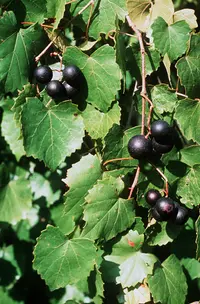
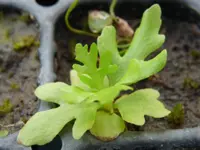
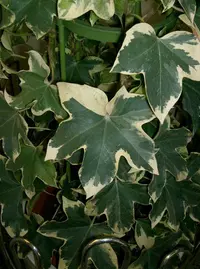
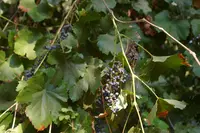
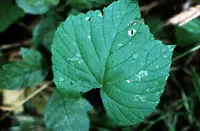
The plant has lobed green leaves, twisting tendrils, and clusters of small flowers that develop into bluish to purple grapes attractive to wildlife. Its fast growth and dense foliage make it useful for quick coverage and summer shade in gardens.

Vitis californica is generally resilient, tolerating a range of soils and summer dryness once established. It grows best in sun to light shade with moderate moisture, which makes it relatively straightforward to care for California wild grape in suitable climates.

Main Plant Requirements

Care Difficulty

Easy Care

Light Preference

Full Sun

Water Requirements

Moderate Water

Temperature Preference

Cold Hardy

Hardiness Zone

7–10

Soil Texture

Sandy, Loamy, Clay

Soil pH

Acidic (5.5–6.5), Slightly acidic (6.5–7.0)

Soil Drainage

Well-drained

Fertilization

Minimal (feed rarely)

Get Personalized Care Plan

Scan your plant to receive care tips personalized for your specific plant

Available on iOS and Android

How to Care for the California wild grape

This vigorous vine thrives in full sun but accepts some shade, especially in hotter inland areas.

  • Provide 6–8 hours of direct sun daily; morning sun with light afternoon shade helps prevent leaf scorch in hot climates.
  • In coastal or cooler areas, full sun all day supports dense growth and better fruiting for California wild grape.
  • In deep shade, expect sparse foliage and fewer fruit clusters; if internodes lengthen and leaves pale, increase light by pruning overhead cover.

This species prefers deep, infrequent watering once established, with soil that dries slightly between soakings.

  • Allow the top 5–8 cm of soil to dry before watering, then soak the root zone thoroughly so moisture reaches 20–30 cm deep.
  • During the first 1–2 growing seasons for Vitis californica, water more often in dry periods, then reduce frequency as roots mature.
  • Yellowing soft leaves and persistent wet soil indicate overwatering; crisp edges, wilting in the evening, and very dry soil signal underwatering.

This hardy vine adapts well to a wide range of outdoor temperatures when planted in suitable regions.

  • Active growth is strongest around 65–85°F (18–29°C), with good vine and leaf development in spring and early summer.
  • Established plants tolerate winter lows near 10–15°F (-12 to -9°C), going fully dormant and shedding leaves in cold seasons.
  • Mature vines handle short heat waves up to about 100°F (38°C) if soil moisture is adequate; mulch roots and avoid heat-reflecting walls to limit stress.

Humidity is rarely limiting for this species, which tolerates a wide range of outdoor conditions.

  • Thrives in 30–60% humidity typical of most outdoor climates without special measures.
  • Handles dry air well if roots have consistent moisture and soil does not fully dry out for long periods.
  • Humidity stress appears as leaf edge browning and premature leaf drop, so increase soil moisture and provide a light mulch layer around the base.

Soil preparation focuses on sharp drainage and a moderately fertile, slightly acidic to neutral substrate.

  • Use a loamy or sandy loam mix with 30–40% compost to provide structure, nutrients, and moderate water retention.
  • Ensure fast drainage by blending in coarse sand or small gravel, especially in clay-heavy ground or compacted beds.
  • Aim for pH 6.0–7.5; amend overly alkaline soil with organic matter such as composted bark or leaf mold.
  • For Vitis californica, avoid waterlogged sites, heavy unamended clay, or very shallow, compacted soils that limit root aeration.

This species can grow in large containers when given enough root space and strong structural support.

  • Choose a deep, heavy container that resists tipping as vines elongate and add weight to trellises or railings.
  • Position a sturdy trellis or wires anchored directly to the pot or nearby structure so stems are supported without pulling the container over.
  • Use a coarse, fast-draining mix and elevate the pot on feet so drainage holes clear quickly after irrigation or rain.

This native vine usually needs minimal feeding once established, especially in the ground.

  • For young or container-grown California wild grape, use a balanced slow-release fertilizer (around 10-10-10) in early spring.
  • Apply a light dose 1–2 times during the growing season, following label rates or at 1/2 strength for container plants.
  • In rich garden soil, replace synthetic fertilizer with 2–3 cm of compost over the root zone in spring.
  • Stop feeding in late summer so growth hardens before winter dormancy.

Vitis californica responds well to thoughtful pruning that controls size and supports healthy fruiting wood.

  • Carry out main pruning in late winter while vines are fully dormant.
  • Remove dead, damaged, rubbing, or crossing canes first, then thin overcrowded shoots to open the canopy.
  • Shorten long whips to keep the vine within its support and maintain a manageable framework.
  • Use sharp, clean bypass pruners and make angled cuts just above healthy buds.

This vine is usually grown in the ground, so care focuses more on transplanting than on long-term container culture.

  • Transplant young Vitis californica in late winter to early spring before vigorous new growth begins.
  • Move when roots fill the pot, circle the container, or growth slows despite good care.
  • Dig a wide planting hole, keep the root ball intact, and set the crown at soil level in well-drained ground.
  • Water deeply after planting, then keep soil evenly moist for several weeks to reduce transplant shock.

Vitis californica is commonly propagated from cuttings and by layering, with seeds used less often for home gardens.

  • Take semi-ripe or hardwood cuttings in late winter or early spring, 10–15 cm long with several nodes.
  • Insert cuttings into moist, well-drained medium, keep at 65–75°F with bright indirect light, and maintain high humidity.
  • For simple layering, bend a low cane to the ground, bury a section, and sever it once roots form.
  • Sow stratified seed in spring in a free-draining mix, keeping it slightly moist until germination.

This species is generally cold hardy in much of its range and needs limited winter care once established.

  • Tolerates light to moderate frost when mature, but young vines benefit from extra attention.
  • Apply 5–8 cm of mulch around the root zone in late fall, keeping it away from the main stem.
  • In colder areas or for container plants, shelter pots near a protected wall or move them into an unheated garage.

Care Tips

Strong trellis setup

Install a sturdy, long-lasting support such as galvanized wire on posts or a heavy wooden trellis before planting, because vines can become very heavy and are difficult to reposition once established.

Controlled spread management

In late winter, remove or dig out unwanted suckers and wayward stems at ground level to keep the vine from spreading into paths, neighboring plants, or structures you do not want covered.

Wildlife and fruit cleanup

If planted near patios or walkways, lay down a breathable groundcover fabric or mulch and regularly rake up fallen fruit to reduce wasp activity, slippery surfaces, and volunteer seedlings.

Heat and drought acclimation

During the first 1–2 summers, gradually reduce irrigation frequency over several weeks as roots deepen, which helps the plant adapt to low-water conditions typical for growing California wild grape in dry-summer climates.

Vine training strategy

As new shoots appear in spring, select a few strong stems and loosely tie them to wires or railings with soft ties, removing weak or crossing shoots so the vine develops a clear framework that is easier to maintain over the years.

Common Pests and Diseases

Grape leafhopper

This pest feeds on the undersides of leaves, causing pale stippling, reduced vigor, and sometimes leaf drop in late summer and fall.

Solution

Monitor the undersides of leaves regularly, rinse foliage with a firm stream of water to dislodge nymphs, and encourage beneficial insects such as lacewings and lady beetles by avoiding broad-spectrum insecticides; for heavy infestations, use a targeted insecticidal soap or horticultural oil applied in the early morning or evening.

Western grapeleaf skeletonizer

This pest chews through leaf tissue, leaving a skeletonized appearance and sometimes defoliating young vines.

Solution

Inspect leaves frequently during the growing season, handpick and destroy egg masses and caterpillars when practical, prune out heavily infested shoots, and, if needed, apply Bacillus thuringiensis (Bt) products to young larvae while ensuring good coverage on the undersides of leaves.

Grape phylloxera

This insect feeds on roots and sometimes leaves, causing root galls, reduced vigor, and gradual decline in susceptible vines.

Solution

Use resistant or tolerant rootstocks when planting, keep vines well watered and mulched to reduce stress, remove and destroy heavily infested vines if decline is severe, and avoid moving infested soil or roots to new planting areas; for established landscape vines, focus on long-term vigor rather than eradication.

Powdery mildew

This disease produces white, powdery fungal growth on leaves, shoots, and sometimes fruit, which can lead to distorted foliage and reduced growth.

Solution

Improve air circulation by pruning crowded shoots, avoid overhead irrigation in the evening, and apply sulfur or other labeled fungicides preventively once new growth emerges in spring, repeating according to label directions during warm, dry periods when powdery mildew pressure is high.

Pierce's disease

This disease is caused by a xylem-inhabiting bacterium spread by xylem-feeding leafhoppers, leading to leaf scorch, cane dieback, and eventual vine death in warm regions of California.

Solution

Remove and destroy infected vines that show progressive scorch and dieback, reduce weedy hosts and alternative reservoir plants near plantings, manage sharpshooter leafhopper vectors with habitat modification and, if needed, targeted controls, and choose planting locations away from riparian corridors where infection pressure is high, following region-specific Vitis californica care instructions from local extension services.

Interesting Facts

Key riparian species

This wild grape is a dominant vine along many California rivers and streams, where its dense foliage stabilizes banks, shades water, and provides cover for birds and small mammals.

Wildlife food powerhouse

Its small, seedy grapes are an important late-summer and fall food source for native birds, mammals, and insects, which also help disperse its seeds across floodplains.

Hybridization with wine grapes

Vitis californica naturally hybridizes with cultivated European grapevine (Vitis vinifera) in regions where both grow, creating vigorous hybrids that can be difficult to distinguish from the pure native species.

Botan icon

Did you know?

Paleobotanical and historical evidence suggest that Vitis californica is the only grape species truly native to California, with a long evolutionary history tied specifically to the state’s Mediterranean-type climate and river systems.

FAQs about California wild grape

This species is typically vigorous, often extending 1.5–3 m per year once established. Growth is faster in fertile, moist, well-drained soil with full exposure, and slower in dry, compacted, or heavily shaded sites.

Grow Healthy Plants with Botan Care

Keep your plants happy and healthy with plant identification, disease detection, and easy care guidance.

Botan plant care app — identify plants on mobile

Explore More Plants