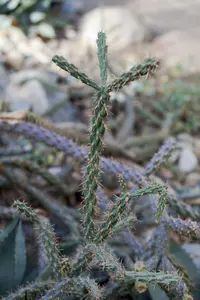
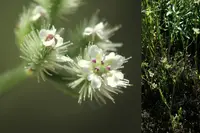
rough cocklebur Care (Xanthium strumarium)

Also known as: Cockle bur, Canada cockleburr, Spiny cockleburr, porcupine eggs, common cocklebur, Noogoora burr, Large Cocklebur, Borad Cocklebur, Bur Weed
rough cocklebur

About rough cocklebur

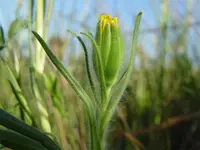
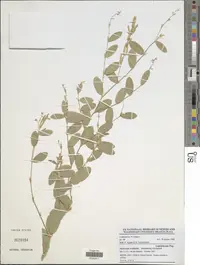
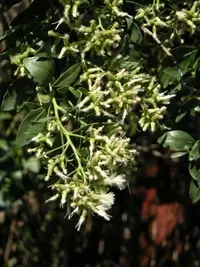
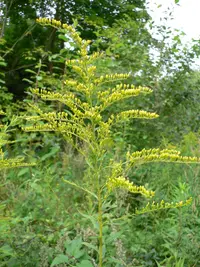
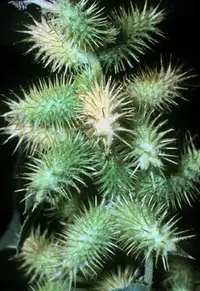
Rough cocklebur, Xanthium strumarium, is an annual weed in the sunflower family known for its spiny, burr-like seed pods that cling to fur and clothing. It grows upright with coarse, triangular leaves and a robust taproot, often forming dense stands.

This species is native to parts of North America but now occurs widely in disturbed sites, riverbanks, roadsides, and fields across many temperate regions. It self-seeds aggressively and can spread quickly, which makes long-term control more challenging than basic care for rough cocklebur.

Rough cocklebur thrives in full sun, moist to dry soils, and often tolerates poor, compacted ground, which contributes to its weedy, invasive behavior in many areas.

Main Plant Requirements

Care Difficulty

Easy Care

Light Preference

Full Sun

Water Requirements

Moderate Water

Temperature Preference

Warm Climate

Hardiness Zone

3–9

Soil Texture

Sandy, Loamy, Clay

Soil pH

Slightly acidic (6.5–7.0), Slightly alkaline (7.0–7.5)

Soil Drainage

Well-drained

Fertilization

Minimal (feed rarely)

Get Personalized Care Plan

Scan your plant to receive care tips personalized for your specific plant

Available on iOS and Android

How to Care for the rough cocklebur

Xanthium strumarium prefers full sun but tolerates some light shade in many outdoor sites.

  • Aim for 6–8 hours of direct sun daily, with at least 4 hours of unshaded midday or afternoon light for sturdy growth.
  • The plant tolerates partial shade, especially light morning sun plus bright open shade in the afternoon, but may grow taller and less compact.
  • In very hot climates, slight afternoon shade reduces leaf scorch, while deep shade leads to weak stems, fewer burs, and poor seed set, affecting rough cocklebur populations.

This annual species prefers consistent soil moisture during active growth without remaining saturated.

  • Water when the top 3–5 cm of soil feel dry, aiming for moist but not soggy soil during germination and early seedling stages.
  • Use well-drained soil so excess water does not pool; chronically wet conditions cause root rot and yellowing, while cracked, dusty soil and wilting indicate underwatering.
  • Reduce watering once plants are fully established and rain-fed, increasing only during extended hot, dry periods when leaves begin to droop slightly.

This annual thrives in warm conditions typical of many temperate summers.

  • Optimal growth occurs around 70–86°F (21–30°C), supporting fast vegetative growth and burr development in open, sunny sites.
  • Seeds usually germinate once soils warm above about 59°F (15°C), and established plants tolerate short dips to 40°F (4°C) but stop growing in cool spells.
  • The species is highly frost-sensitive; light frosts near 32°F (0°C) can kill foliage, while hot spells up to about 95°F (35°C) are tolerated if soil moisture is sufficient.

This species handles a wide humidity range, so indoor air levels usually do not limit growth.

This annual weed grows vigorously in many soils but performs best in moderately fertile, well-drained ground.

  • Use a loose loamy or sandy-loam soil that does not compact, as Xanthium strumarium dislikes waterlogged conditions.
  • Ensure free drainage by incorporating coarse sand or fine gravel, especially in heavy or clay-based sites.
  • Aim for a slightly acidic to neutral pH around 6.0–7.5, which supports balanced nutrient availability.
  • Avoid consistently saturated, organic-clogged, or highly saline soils, which restrict root aeration and stunt growth.

This species can be grown in containers, but management is easier when specific container needs are addressed.

  • Choose a deep, heavy container that resists tipping, since mature stems can become tall and top-heavy.
  • Fill the pot with a fast-draining mix and keep the top 2–3 cm from overflowing to prevent burrs from spilling out.
  • Elevate the container on pot feet or bricks to keep drainage holes clear and avoid standing water under the base.

This wild annual usually grows vigorously in poor soils, so rough cocklebur needs no routine fertilization in gardens or naturalized areas.

Pruning Xanthium strumarium is generally limited to safety and appearance rather than plant health.

  • Cut back dead or damaged stems at ground level in late season using clean hand pruners or shears.
  • Remove any diseased tissue promptly and dispose of it in the trash, not compost, to reduce spread of pathogens.
  • Thin out overcrowded plants by pulling or cutting whole stems to manage spread and keep access paths clear.

This species is usually direct-sown outdoors, so transplanting focuses on young field or garden seedlings rather than container-grown plants.

  • Transplant when seedlings have 2–3 true leaves and before roots circle pots or cells, usually in spring after frost risk passes.
  • Choose a sunny, well-drained site and space plants to allow full size without crowding, reducing later disturbance.
  • Water seedlings well before and after moving them, and transplant on a cool, overcast day to limit transplant shock.
  • Handle roots gently, keeping the root ball intact, and firm soil lightly to remove air pockets while avoiding heavy compaction.

Seed propagation is the standard method for increasing Xanthium strumarium populations.

  • Collect mature burs in late season once they are dry and brown, then store cool and dry until sowing.
  • Sow seeds outdoors in spring, just below the soil surface, when soil temperatures are consistently above 50–55°F.
  • Provide full sun and evenly moist, well-drained soil; avoid waterlogging, which reduces germination and seedling survival.
  • In naturalized settings, allow some burs to remain on plants so seeds can self-sow and maintain the stand.

This annual completes its life cycle in a single growing season, so no special winter care is needed once plants die back.

  • Leave some dead plants standing if natural reseeding is desired, as burs disperse seeds over winter.
  • For controlled areas, remove and dispose of old plants and burs in fall to reduce unwanted volunteer seedlings next year.

Care Tips

Manage Self-Seeding

Deadhead burs before they fully harden and turn brown, then bag and dispose of them in the trash to prevent aggressive self-seeding and unwanted spread.

Use Containment Borders

Install a 10–15 cm deep physical edging (metal, plastic, or wood) around the planting area to catch falling burs and make it easier to collect and remove them before they germinate.

Monitor Livestock Access

Keep plants and shed burs away from grazing areas, paths, and bedding sites for animals, since burs can tangle in coats and young seedlings can be toxic if consumed in quantity.

Targeted Herbicide Timing

If using herbicides, apply a suitable post-emergent product when seedlings have 2–4 true leaves but before burs form, and avoid drift onto nearby desirable broadleaf plants.

Rotation And Solarization

In small plots, rotate away from late-germinating summer annuals for 2–3 years and consider clear-plastic soil solarization in the hottest part of summer to reduce the seed bank when caring for rough cocklebur in a long-used bed.

Common Pests and Diseases

Rust

This disease causes yellow to orange spots on leaves that later develop powdery brown pustules, often leading to early leaf drop.

Solution

Remove and destroy affected leaves to reduce the spore load, avoid overhead watering, and increase spacing or airflow around plants; in severe cases, apply a sulfur or chlorothalonil-based fungicide according to label directions during early symptom development.

Powdery mildew

This disease produces a white, powdery film on upper leaf surfaces, which can distort foliage and reduce plant vigor, especially in dense stands.

Solution

Improve air circulation by thinning crowded plants and keeping foliage dry, then treat early outbreaks with a potassium bicarbonate, sulfur, or horticultural oil spray, ensuring full coverage of both upper and lower leaf surfaces.

Leaf beetles

These insects chew small to large holes in leaves, sometimes skeletonizing the foliage where only the veins remain.

Solution

Hand-pick adults and larvae where practical, encourage natural predators, and if damage is significant use a targeted product such as spinosad or a pyrethroid, applied in the evening to minimize impact on beneficial insects.

Seed weevils

This pest attacks flower heads and developing burs, with larvae feeding inside seeds and reducing seed viability.

Solution

Collect and destroy mature burs before seeds fully harden to break the life cycle, and where the plant is undesirable consider mowing or cutting flower heads before they set seed to limit both spread and weevil buildup.

Aphids

These insects cluster on young stems and leaf undersides, sucking sap and sometimes causing curling, yellowing, and sticky honeydew deposits that can lead to sooty mold.

Solution

Dislodge colonies with a strong stream of water, encourage lady beetles and lacewings, and when needed apply insecticidal soap or a light horticultural oil, making sure to cover all infested plant parts thoroughly.

Interesting Facts

Hooked burr dispersal

The plant produces hard, spiny burrs covered in hooked bristles that easily latch onto animal fur, clothing, and equipment, allowing the seeds to travel long distances from the parent plant.

Toxic to livestock

Its seeds and seedlings contain toxic compounds, including the glycoside carboxyatractyloside, which can cause poisoning in grazing animals, especially pigs and cattle, if ingested in significant amounts.

Chemically timed germination

The seeds often show staggered germination, with one seed in the burr more likely to sprout in the first season and the other remaining dormant, a strategy that spreads risk over time in unpredictable environments.

Botan icon

Did you know?

The hooked burrs of this species famously inspired the invention of hook-and-loop fasteners, after a Swiss engineer examined how the burrs clung so effectively to fabric and animal hair under a microscope.

FAQs about rough cocklebur

This species spreads aggressively by seed. The barbed burs cling to animal fur, clothing, and equipment, dispersing widely. Each plant produces many seeds, so prompt removal of young plants and burs is important to limit spread.

Grow Healthy Plants with Botan Care

Keep your plants happy and healthy with plant identification, disease detection, and easy care guidance.

Botan plant care app — identify plants on mobile

Explore More Plants