plains yucca Care (Yucca campestris)

plains yucca

About plains yucca

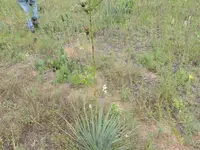
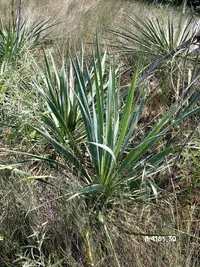
Plains yucca, Yucca campestris, is a hardy, stemless succulent native to dry grasslands of Texas and neighboring regions. It forms tight clumps of narrow, stiff blue-green leaves with sharp tips.

The plant stays relatively low but can slowly spread, creating striking architectural tufts in rock gardens or xeric landscapes. In season, it sends up a tall flower stalk with creamy white bells that attract pollinators.

This species evolved for harsh, sunny, windy sites with minimal water, so it prefers strong light, fast-draining soil, and infrequent moisture. Its drought tolerance makes it suitable for gardeners who want to care for plains yucca with minimal routine attention, as long as drainage is excellent.

Main Plant Requirements

Care Difficulty

Moderate Care

Light Preference

Full Sun

Water Requirements

Low Water

Temperature Preference

Cold Hardy

Hardiness Zone

5–9

Soil Texture

Sandy, Loamy, Rocky

Soil pH

Slightly acidic (6.5–7.0), Slightly alkaline (7.0–7.5)

Soil Drainage

Well-drained

Fertilization

Minimal (feed rarely)

Get Personalized Care Plan

Scan your plant to receive care tips personalized for your specific plant

Available on iOS and Android

How to Care for the plains yucca

This high-desert species thrives in strong, direct light and handles intense sun better than shade.

  • Provide 6–10 hours of direct sun daily; open, unshaded sites suit plains yucca best.
  • Plant where it receives full morning and midday sun; light afternoon shade is acceptable in very hot, exposed locations.
  • In too much shade, growth becomes thin and leaves flop, while sudden extreme sun after shade can scorch foliage, so increase exposure gradually in spring.

This drought-adapted yucca prefers deep, infrequent watering and very fast-draining soil.

  • Outdoors in arid or semi-arid climates, water only when the top 5–8 cm of soil are completely dry, then soak the root zone thoroughly.
  • Use sharply draining, sandy or gravelly soil so water does not pool around the crown; standing moisture greatly increases rot risk for Yucca campestris.
  • In cool seasons reduce or stop watering once natural rainfall meets needs; shriveling lower leaves indicate underwatering, while yellowing, soft leaves suggest overwatering.

This species is highly cold-hardy but grows most actively in moderate warmth.

  • Aim for active growth temperatures around 65–85°F (18–29°C); it tolerates hotter days if soil drains freely and airflow is good.
  • Mature plants usually handle short drops near 0–5°F (-18 to -15°C) when kept dry, but prolonged wet cold greatly increases crown and root damage.
  • In very hot spells above 95°F (35°C), avoid reflected heat from walls or rock and ensure soil does not become waterlogged after summer storms.

This species tolerates dry air well, so humidity is rarely a concern indoors or outdoors.

Yucca campestris needs very fast-draining, mineral-based soil to prevent root and crown rot.

  • Use a gritty mix such as 60–70% coarse sand or fine gravel with 30–40% sandy loam or cactus mix.
  • Aim for slightly alkaline to neutral pH around 7.0–8.0, avoiding strongly acidic blends.
  • Improve aeration by adding extra pumice or perlite if water does not drain through within seconds.
  • Avoid heavy clay, peat-heavy, or compacted mixes that stay wet or form clods around the roots.

This species can be grown in containers, but it stays healthier in wide, very free-draining pots.

  • Choose a container that is wider than it is deep to support the spreading root system and prevent tipping in strong wind.
  • Use a heavy, stable pot material such as ceramic or concrete so the tall rosette does not topple as it matures.
  • Raise the pot on feet or blocks so drainage holes never sit in a saucer of water, allowing rapid runoff and air entry.

This drought-adapted plains yucca needs only light feeding in most garden soils.

  • Use a low-rate, slow-release balanced fertilizer (around 10-10-10) or a thin top-dressing of compost in early spring.
  • Feed once at the start of the growing season; skip additional applications unless growth is very poor.
  • Apply at half the label strength, kept several cm from the crown to avoid burn.
  • Do not fertilize in fall and winter, when growth is minimal.

Pruning Yucca campestris is mainly done to remove dead material and keep a clean outline.

  • Carry out pruning in late winter or early spring before strong new growth begins.
  • Cut away dead, damaged, or crossing leaves and any spent flower stalks at the base.
  • Use sharp, clean pruning shears or a fine-toothed saw for thick stems to avoid tearing.
  • Limited shaping helps maintain a tidy rosette without reducing flowering potential.

Transplanting this deep-rooted yucca should be infrequent and planned carefully.

  • Consider moving the plant only when growth is very slow, the clump is crowding nearby plants, or roots circle a container.
  • Schedule transplanting for late spring or early summer, when soil is warm and recovery is faster.
  • Dig a wide, deep root ball, keeping as many thick storage roots intact as possible.
  • Replant into very well-drained soil, water thoroughly once, then reduce watering to limit rot and transplant shock.

Yucca campestris is most often propagated by offsets or stem cuttings rather than seed.

  • Take offsets or stem cuttings in late spring to midsummer, when temperatures are warm and growth is active.
  • Allow cut surfaces to dry and callus for several days in shade to reduce rot risk.
  • Plant cuttings or offsets in a sharply draining mix of sand and gravel, kept just lightly moist.
  • Sow seeds in warm (70–80°F), bright conditions; germination is slower and less predictable than vegetative methods.

This species is quite cold hardy but benefits from simple winter precautions in very harsh climates.

  • Mature plants generally tolerate significant frost when soil drains well and crowns stay dry.
  • Apply a light gravel or coarse mulch layer around the root zone, keeping it away from the crown.
  • In very wet winters, improve drainage or slightly mound the planting area to prevent standing water.
  • Overwinter container plants in a cold, bright, sheltered spot to avoid freeze-thaw root damage.

Care Tips

Winter moisture control

In winter, place a flat stone or coarse gravel around the crown to shed excess moisture away from the growing point and reduce crown rot risk in wet climates.

South-facing heat trap

To grow Yucca campestris in cooler regions, plant it near a south-facing wall or large rock that reflects heat and keeps the root zone drier after rain.

Root-zone drainage check

After heavy storms, probe 10–15 cm into the soil near the plant; if it stays wet for more than 48 hours, amend the surrounding area with additional coarse grit or crushed stone to improve drainage.

Spine-safe access

When positioning the plant, leave a clear, stone-mulched access path so maintenance and inspection can be done without brushing against the stiff, sharp leaves.

Seedling cold training

For long-term hardy performance when growing plains yucca from seed, gradually expose young plants to outdoor conditions over several weeks in spring before planting them out permanently.

Common Pests and Diseases

yucca weevil

This pest bores into the crown and stem, causing yellowing, wilting, and eventual collapse of the rosette, often in otherwise well-drained, dry sites.

Solution

Remove and destroy severely infested plants to prevent spread, then inspect nearby yuccas for soft crowns or frass-filled holes and cut out localized damage with sterile tools. For remaining plants, keep crowns dry, avoid overhead watering, and use a labeled systemic insecticide drench in early spring if previous weevil activity has been confirmed.

scale insects

These insects attach to leaves and stems as small, hard bumps, sucking sap and causing yellowing, stunted growth, and sticky honeydew on stiff, narrow leaves.

Solution

Manually scrape or wipe scale off leaves and stems with a soft cloth dipped in water and mild soap, then rinse well. For persistent populations on plains yucca indoor care or in container plants, apply horticultural oil thoroughly to leaf bases and along the trunk, repeating according to label directions to target emerging crawlers.

yucca leaf spot

This disease causes small, tan to dark-brown spots on leaves that can merge into larger lesions, usually starting on older, lower foliage during humid or wet periods.

Solution

Prune and discard affected lower leaves to reduce inoculum, cutting close to the stem with clean tools. Improve air movement around the plant, keep foliage dry, and in persistently wet climates consider a copper- or chlorothalonil-based fungicide labeled for ornamental plants, applied preventively during extended rainy spells.

southern blight

This disease attacks the lower stem and crown at soil level, leading to rapid yellowing and collapse, often accompanied by white fungal growth and small tan sclerotia on the soil surface.

Solution

Remove and dispose of the entire affected plant and surrounding soil, and avoid replanting yucca in the same spot for several years. Improve drainage, raise planting areas in heavy soils, and avoid deep organic mulches against the crown, which favor the fungus in warm, humid conditions.

mealybugs

These insects appear as white, cottony clusters in leaf axils and at the base of leaves, weakening the plant by sucking sap and sometimes promoting sooty mold on honeydew deposits.

Solution

Isolate infested plants, then dab visible mealybugs with cotton swabs dipped in isopropyl alcohol and wipe leaf bases thoroughly. Follow with a thorough spray of insecticidal soap or horticultural oil directed into the leaf axils, repeating every 7–10 days until no new insects appear.

Interesting Facts

High Plains specialist

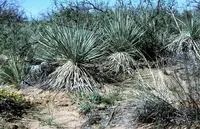
Yucca campestris is native to sandy and gravelly soils of the southern High Plains of Texas and New Mexico, where it withstands intense sun, low rainfall, and strong winds that many other yuccas cannot tolerate long term.

Distinctive narrow blades

This species forms dense clumps of very narrow, rigid blue‑green leaves, often less than 1 cm wide, creating a fine-textured, hedgehog-like rosette that distinguishes it from broader-leaved yuccas in the same region.

Sand‑binding root system

Its deep, fibrous root system helps stabilize shifting sands in its native habitat, providing important structure in dune and sandy prairie ecosystems and reducing soil erosion over time.

Botan icon

Did you know?

Yucca campestris is considered one of the more geographically restricted yucca species, occurring naturally in a relatively small area of the southern Great Plains, which makes intact native populations a conservation concern when land is converted or heavily disturbed.

FAQs about plains yucca

Flowering often fails when plants are too young, recently transplanted, shaded, or overfertilized with nitrogen. Ensure several years of establishment, full sun, good winter chill, and avoid heavy feeding to support reliable bloom spikes.

Grow Healthy Plants with Botan Care

Keep your plants happy and healthy with plant identification, disease detection, and easy care guidance.

Botan plant care app — identify plants on mobile

Explore More Plants