

Support Heavy Spathes
Insert short, discreet stakes when flower stalks first elongate, then loosely tie them with soft ties so the heavy yellow spathes do not bend or snap in wind or heavy rain.


Yellow arum (Zantedeschia elliottiana) is a tuberous perennial grown mainly for its bright yellow, funnel-shaped spathes and glossy, often speckled leaves. It forms compact clumps that suit containers, borders, and seasonal displays.
This species comes from southern Africa, where it grows in moist, well-drained soils with mild temperatures. In gardens, it prefers bright light, moderate moisture, and soil that does not stay waterlogged.
It is considered moderately demanding, as the tubers dislike cold, wet conditions and need a marked rest period after flowering. With attention to drainage and seasonal dormancy, it is straightforward to care for Yellow Arum.

Care Difficulty
Moderate Care

Light Preference
Partial Sun

Water Requirements
Keep Soil Moist

Temperature Preference
Tropical / Frost Sensitive

Hardiness Zone
8–10

Soil Texture
Loamy, Silty, Organic-rich

Soil pH
Acidic (5.5–6.5), Slightly acidic (6.5–7.0)

Soil Drainage
Moist but well-drained

Fertilization
Moderate (every 2–4 weeks)
Scan your plant to receive care tips personalized for your specific plant
Available on iOS and Android
Zantedeschia elliottiana grows best in bright, indirect light with some gentle direct sun each day.
Zantedeschia elliottiana prefers consistently moist but never waterlogged soil during active growth.
This species grows best in mild, frost-free conditions with moderate warmth during its active season.
This species prefers moderately moist air but usually adapts to typical indoor humidity.
Zantedeschia elliottiana grows best in evenly moist, airy, organic-rich soil that drains freely.
This species is well suited to container growing when the pot supports moist but not waterlogged conditions.
This tuberous ornamental benefits from moderate feeding during active growth but needs a rest afterward.
Thoughtful pruning keeps Zantedeschia elliottiana tidy and encourages continued flowering.
This species forms clumps from tubers and prefers infrequent but well-timed repotting or transplanting.
This plant is most reliably propagated by division of its tubers rather than by seed.
This plant is frost-sensitive and needs protection in regions with cold winters.

Plant Health Check
Not sure what's wrong with your plant? Check your plant's health inside the app.
This species is known for its bright green leaves marked with translucent, white speckles, which are actually unpigmented leaf areas that let extra light penetrate deeper tissues to support photosynthesis in lower leaf layers.
The vivid yellow “flowers” are modified leaves called spathes that funnel insects toward the tiny true flowers on the central spadix, improving pollination efficiency by guiding and temporarily trapping visiting pollinators.
It grows from fleshy underground tubers that naturally enter a dry rest phase after flowering, an adaptation to its native seasonally dry habitats that helps the plant survive periods of reduced water availability.

Many modern yellow calla hybrids trace part of their ancestry to Zantedeschia elliottiana, which has been used extensively in breeding programs to introduce its intense golden color and speckled foliage into commercial ornamental lines.
Lack of blooms usually comes from insufficient light, depleted nutrients, or the tuber staying too crowded. Ensure a defined rest period after flowering, refresh the potting mix, and avoid heavy shade to support reliable flower production when growing Yellow Arum.
Keep your plants happy and healthy with plant identification, disease detection, and easy care guidance.

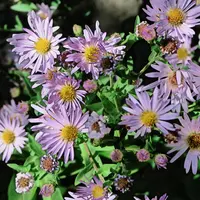
Pacific aster
Symphyotrichum chilense
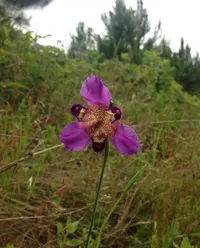
propeller flower
Alophia drummondii
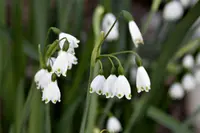
summer snowflake
Leucojum aestivum
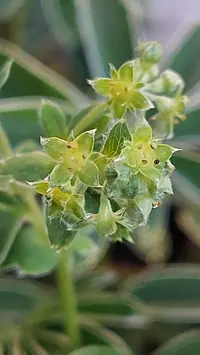
Alchemilla nitida
Alchemilla nitida

Double-Flowering Japanese Kerria
Kerria japonica 'Pleniflora'
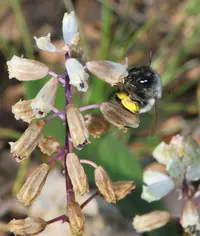
Bellevalia flexuosa
Bellevalia flexuosa
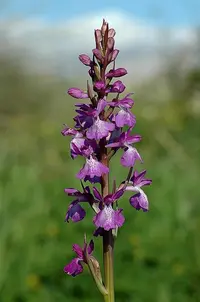
Anacamptis palustris
Anacamptis palustris
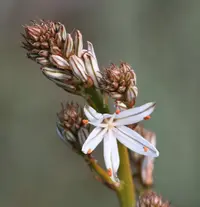
Summer Asphodel
Asphodelus aestivus