How Plant Roots Defend Against Salty Soil
Salt is a kitchen essential for humans. For crops, it is a slow-moving crisis.

Across coastal zones and irrigated farmland worldwide, salt is accumulating in soils at a pace that agriculture is struggling to match. Around half of the world's irrigated farmland is affected by salinity to some degree.
Rising sea levels push saltwater into coastal fields. Shifting rainfall patterns and more frequent droughts drive heavier reliance on irrigation. Poor-quality irrigation water and fertilizer overuse leave salt residues behind year after year.
Meanwhile, the global population is expected to approach 10 billion by mid-century. Growing and identifying fruits and vegetables in increasingly hostile conditions is an immediate task. But beneath the soil surface, plants' roots are running a continuous operation.
An Underground Intelligence Network
Roots function as a real-time monitoring system, constantly sampling the surrounding soil for water, nutrients, and threats. When salt concentrations begin to rise, roots are the first to detect the shift.
Excess salt creates a two-front problem. First, it makes water harder to pull from the soil, as if the plant were trying to drink through a narrowing straw. Second, sodium that enters plant tissues can damage proteins and cell membranes, disrupting biological processes.
Root cells respond to these signals rapidly, triggering hormonal cascades and activating emer.
.jpg%3F2026-08-27T04%253A31%253A04.707Z&w=1920&q=75)
Your Personalized Care Plan
Get personalized plant care recommendations in the app
Can Plants Remember Stress?
Perhaps the most surprising dimension of this research concerns plant memory. Scientists are finding growing evidence that prior exposure to environmental stress can influence how plants respond when that stress returns. Studies in rice, for example, have shown that plants previously exposed to salt can sometimes tolerate it better on a second encounter.
This is not memory in any human sense. Instead, stress appears to leave lasting chemical marks on DNA and associated cellular structures. This phenomenon has been studied in detail in Arabidopsis thaliana.
These epigenetic marks influence which genes are switched on or off when stress returns. Research on chromatin modifications such as H3K27me3 and H3K4me3 suggests these marks can persist across the plant's lifetime and shape its long-term stress tolerance.
Similar effects have been documented in response to heat and drought. Aspects of these stress responses may be passed to offspring.

What This Means for Food Security
As salinity spreads, crops face mounting pressure — and salt stress rarely arrives alone. Drought, extreme heat, and poor soil quality often strike simultaneously.
The better researchers understand root behavior under stress, the more precisely plant breeders can identify traits worth selecting or engineering. By targeting the root characteristics that help plants survive saline environments. Scientists may be able to develop varieties capable of maintaining yields on land.
The decisions roots make underground could have profound consequences for what ends up on our plates. In a future where climate change is making agriculture increasingly unpredictable, the war that roots wage against salt may be one of the most important stories in food science.

Alex Yar
Plant Expert
7+ years of experience studying plants, researching their diseases, and examining their characteristics.
Alex is a plant expert and writer with more than 7 years of experience studying plants, their growing requirements, and their responses to environmental conditions. His areas of expertise include plant care, disease recognition, stress diagnosis, pest-related problems, and the distinctive characteristics of different species.
Over the years, Alex has developed a strong practical understanding of how light, temperature, humidity, watering, soil conditions, and nutrition affect plant health. He combines careful observation with in-depth research to explain effective care and recovery methods.
Alex has extensive hands-on experience caring for houseplants. His articles translate complex botanical topics into clear guidance that helps you better understand your plants and recognize early warning signs.
Related Articles

2 min read · 22 Oct 2026
Texas Native Plant Week 2026 Highlights the Power of Local Plants
Texas is celebrating Native Plant Week from October 18 to 24, bringing attention to the wildflowers, grasses, and shrubs that support local wildlife and healthy ecosystems.
2 min read · 19 Oct 2026
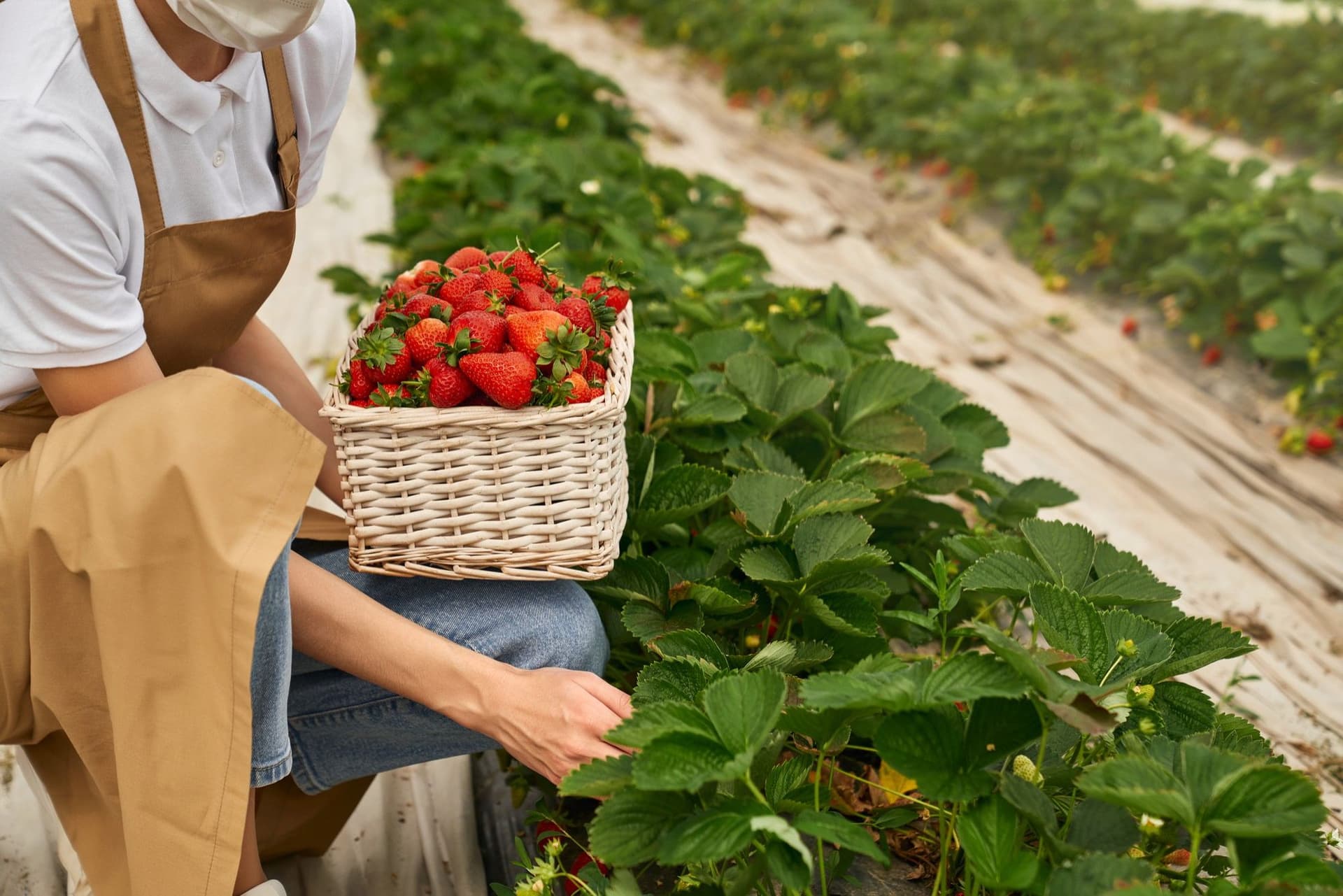
Scientists Develop Reusable Artificial Strawberry Stems to Improve Robotic Harvesting
Researchers have developed an artificial strawberry stem that can be cut, repaired, and reused during robotic harvesting tests.

2 min read · 15 Oct 2026
Over 2,000 Glowing Pumpkins to Light Up Springfield’s Washington Park This Weekend
More than 2,000 illuminated jack-o’-lanterns will transform Washington Park in Springfield, Illinois, into a Halloween attraction on October 16-17, 2026.
Explore Plants by Care Needs

Identify the plant and problem. Help your plant recover
Identify plant problems early, understand what's wrong, and get clear care guidance. Botan helps you turn guesswork into confident plant care