Microalgae Oil: An Alternative to Palm Oil?
Palm oil is everywhere. It shows up in half of all consumer products on store shelves. Yet its production carries a heavy environmental pric…
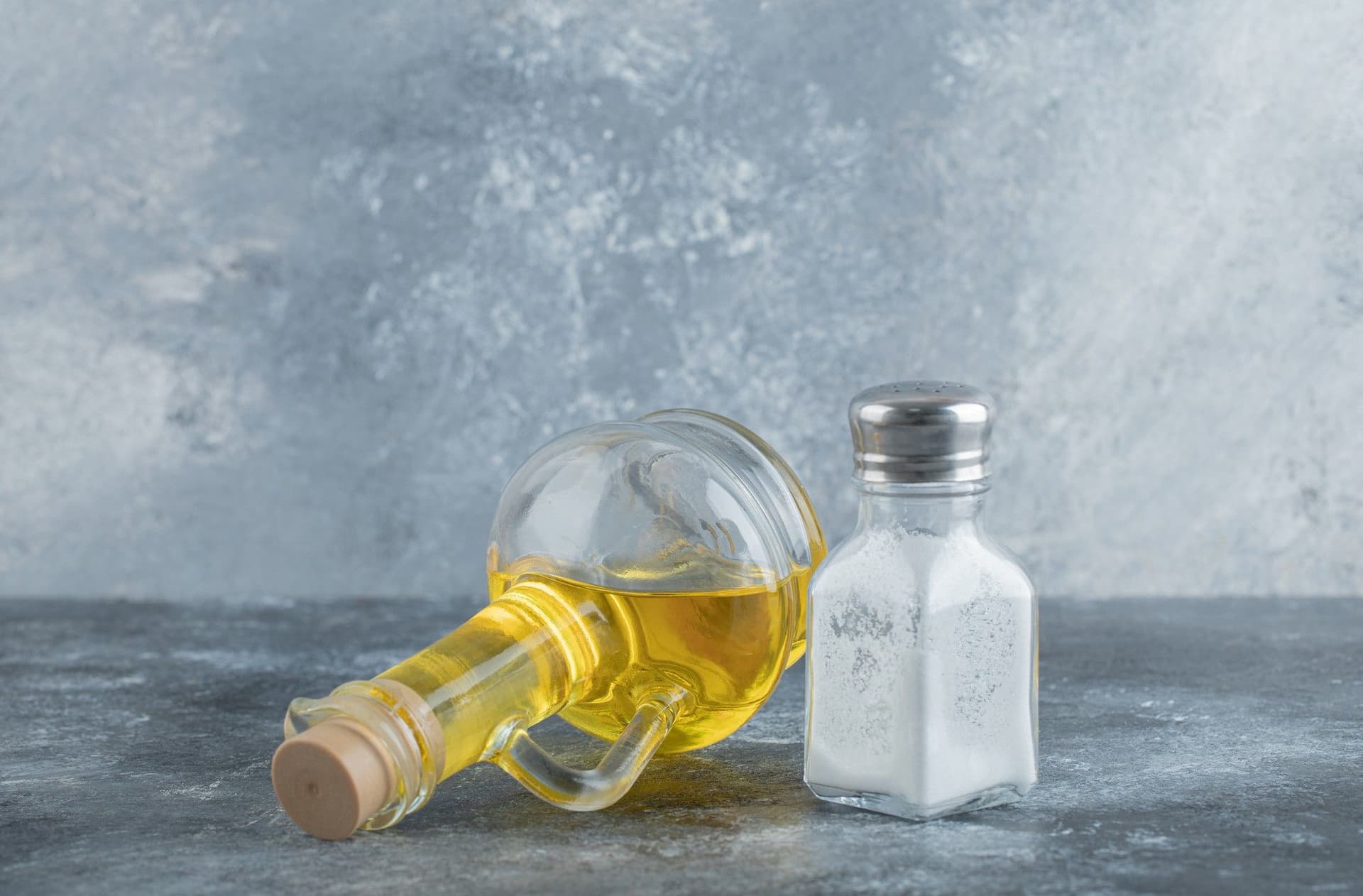
Palm oil is everywhere. It shows up in half of all consumer products on store shelves. Yet its production carries a heavy environmental price tag: widespread deforestation, destruction of wildlife habitats, and the ongoing decline of species such as orangutans, pygmy elephants, and Sumatran rhinos. Now researchers believe a microscopic organism found in oceans and rivers could offer a cleaner alternative.
What the Research Found
A study published in the Journal of Applied Phycology examined oil extracted from microalgae — tiny photosynthesizing organisms that thrive in both salt and fresh water. Scientists at Nanyang Technological University (NTU) in Singapore found that microalgae-derived oil contains more polyunsaturated fatty acids.
Keep Plants Thriving
Get simple care guidance tailored to each plant’s needs in the app
Why Palm Oil Is a Problem
The scale of global palm oil use is staggering. In 2018 alone, farmers produced 77 million tonnes of the commodity — a figure projected to climb to 107.6 million tonnes by 2024. Despite growing awareness of its environmental consequences, demand has continued to rise, driven by its low cost, high yield per hectare, and versatility as an ingredient.

Palm oil cultivation is one of the leading drivers of tropical deforestation, particularly across Southeast Asia. Clearing land for plantations destroys irreplaceable ecosystems and pushes endangered species closer to extinction. The IUCN Red List documents the direct link between palm oil expansion and biodiversity loss in these regions.
Efforts to address the issue through certification have had mixed results. The UK government pledged in 2012 to source 100% of its palm oil from sustainable suppliers. Yet by 2019, only 70% of total UK palm oil imports met that standard, according to the Roundtable on Sustainable Palm Oil (RSPO).
Why Microalgae Could Work
Unlike palm trees, microalgae can be cultivated in controlled aquatic environments with minimal land use. The organisms are naturally regenerative, widely distributed, and their harvesting causes little disruption to surrounding ecosystems. These qualities make scaling microalgae production far less ecologically damaging than expanding palm plantations.
Beyond sustainability, the oil's fatty acid composition gives it a potential edge in food applications where healthier fat profiles are increasingly in demand. As consumers and regulators push for cleaner ingredient lists, microalgae oil could fit neatly into reformulation strategies for food manufacturers.

NTU's Broader Food Innovation Agenda
The microalgae research is part of a wider push at NTU to develop sustainable food technologies. In June 2021, the university launched a new undergraduate course dedicated to meat alternatives, developed in partnership with the Good Food Institute Asia Pacific, the first program of its kind in Southeast Asia.
The microalgae oil study fits squarely within that mission: finding science-backed ways to reduce the food system's environmental footprint without sacrificing nutritional quality.
Whether microalgae oil can realistically scale to compete with palm oil on cost and volume remains an open question. But the NTU findings add meaningful weight to the argument that the food industry has viable, better alternatives worth pursuing.

Alex Yar
Plant Expert
7+ years of experience studying plants, researching their diseases, and examining their characteristics.
Alex is a plant expert and writer with more than 7 years of experience studying plants, their growing requirements, and their responses to environmental conditions. His areas of expertise include plant care, disease recognition, stress diagnosis, pest-related problems, and the distinctive characteristics of different species.
Over the years, Alex has developed a strong practical understanding of how light, temperature, humidity, watering, soil conditions, and nutrition affect plant health. He combines careful observation with in-depth research to explain effective care and recovery methods.
Alex has extensive hands-on experience caring for houseplants. His articles translate complex botanical topics into clear guidance that helps you better understand your plants and recognize early warning signs.
Related Articles
2 min read · 22 Oct 2026
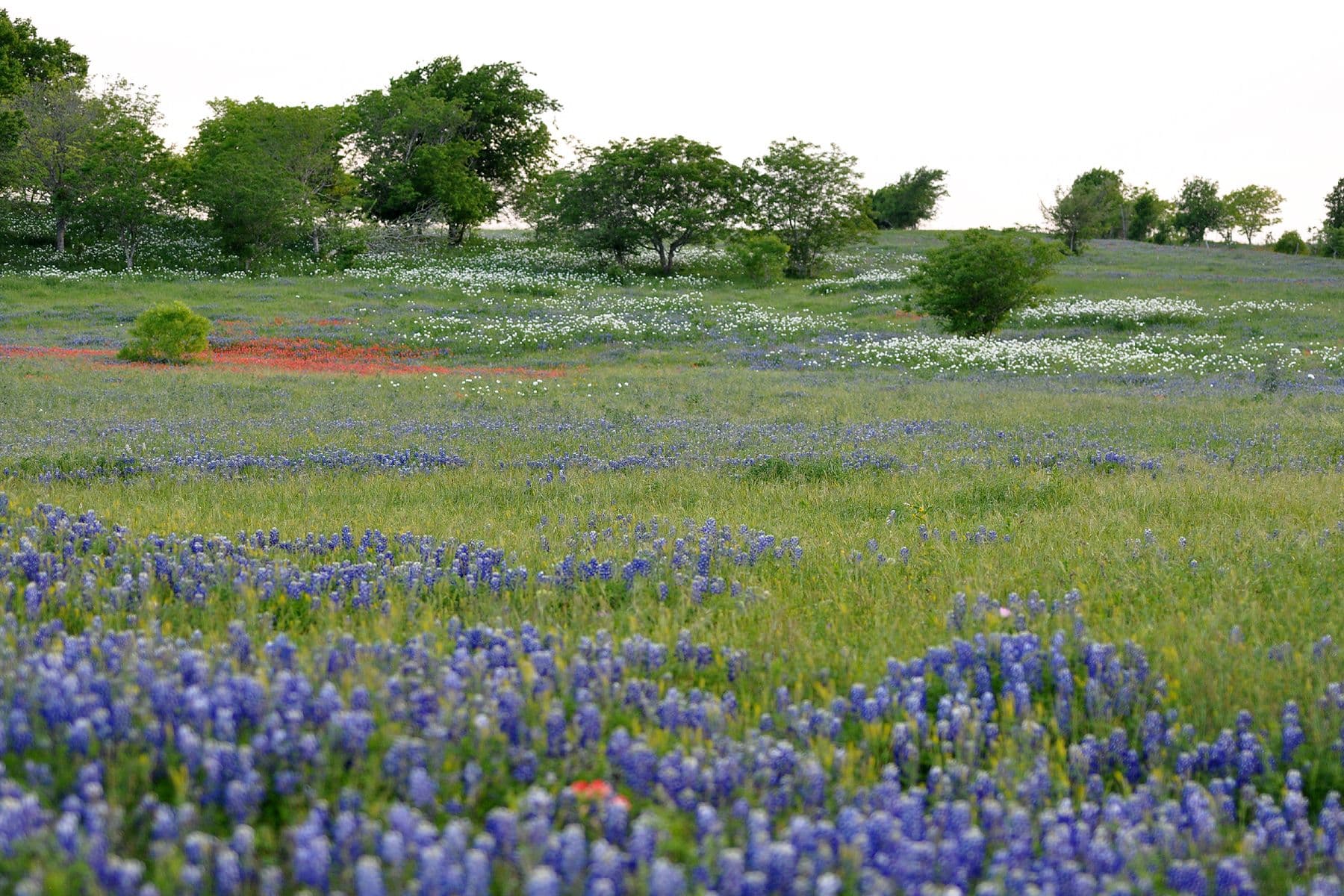
Texas Native Plant Week 2026 Highlights the Power of Local Plants
Texas is celebrating Native Plant Week from October 18 to 24, bringing attention to the wildflowers, grasses, and shrubs that support local wildlife and healthy ecosystems.
2 min read · 19 Oct 2026
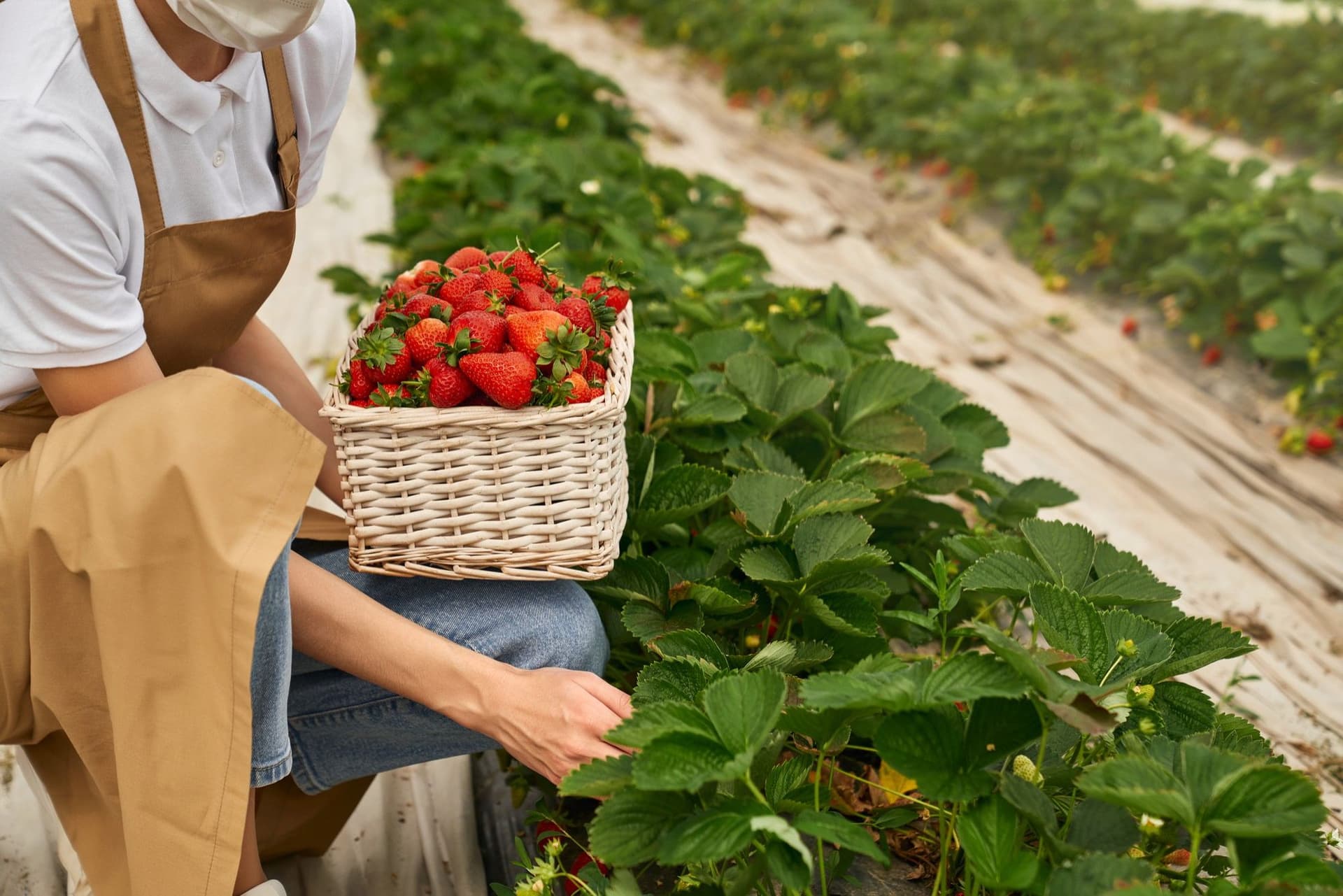
Scientists Develop Reusable Artificial Strawberry Stems to Improve Robotic Harvesting
Researchers have developed an artificial strawberry stem that can be cut, repaired, and reused during robotic harvesting tests.

2 min read · 15 Oct 2026
Over 2,000 Glowing Pumpkins to Light Up Springfield’s Washington Park This Weekend
More than 2,000 illuminated jack-o’-lanterns will transform Washington Park in Springfield, Illinois, into a Halloween attraction on October 16-17, 2026.
Explore Plants by Care Needs
Identify the plant and problem. Help your plant recover
Identify plant problems early, understand what's wrong, and get clear care guidance. Botan helps you turn guesswork into confident plant care