

Cedar (Cedrela fissilis) Light Needs

Cedar grows best in full sun, with several hours of direct light each day and open, bright exposure.

Light Preference

Full Sun

Cedrela fissilis Light Requirements

Cedrela fissilis is native to tropical and subtropical seasonal forests of South America, where young trees often start beneath broken canopy light. As the crown rises into gaps and forest edges, it receives stronger, longer sun exposure. This pattern explains why cultivated trees tolerate some partial sun when young but develop best with open, unobstructed direct light. It prefers full sun.

  • Ideal exposure:

    Ideal exposure: Cedrela fissilis needs about 6–8 hours of full sun daily, including 4–6 hours or more of direct sun when established.

  • Direct sun:

    Established trees tolerate open sun well, especially when exposure increases gradually and roots are not newly disturbed.

  • Partial sun:

    Young or newly planted specimens can grow in partial sun, but dense shade slows strong crown development.

  • Harsh transition:

    A sudden move from filtered light to hot afternoon sun can scorch tender new leaves.

Excess light usually appears after a sudden increase in exposure.

Bleached patches:

Pale tan areas may form on leaves that were previously shaded, especially after moving Cedrela fissilis into strong sun.

Crisp exposed tips:

Tender new leaflets can dry at the tips on the side facing intense afternoon sun.

Papery scorch:

Flat, dry patches may stay in the same place rather than spreading across the whole leaf.

Heat-leaning foliage:

Leaves may hang or angle away during the hottest hours when sun and reflected heat are high.

Reduce the change, not the light goal. Shift exposure earlier in the day, provide temporary light shade, and increase direct sun over 1–2 weeks.

Too little light reduces sturdy growth and canopy density during the active season.

  • Long spacing:

    New shoots may stretch with wider gaps between leaves as the plant reaches for brighter exposure.

  • Leaning growth:

    Stems may angle toward the strongest light instead of building an even, upright crown.

  • Small new leaves:

    Fresh foliage can emerge smaller when light is too weak to support normal growth.

  • Thin canopy:

    The crown may look open, with fewer vigorous shoots in shaded sections.

  • Slow warm-season growth:

    Limited extension during spring and summer can suggest the site is below Cedrela fissilis light needs.

Move it to a more open position with longer daily sun. Make the change gradually if the current site is shaded.

Choose the brightest open site available if full-day sun is limited. A location with strong morning and midday sun is a better compromise than a site shaded through the center of the day.

Increase exposure in stages for young or shaded plants by adding a few more direct-sun hours every several days. Use temporary shade cloth during harsh afternoon transitions.

Avoid planting where buildings or dense overhead cover block most direct sun, because that setup will not support strong long-term growth.

Get Personalized Care Plan

Scan your plant to receive care tips personalized for your specific plant

FAQ

This species grows best in full sun, with open exposure for most of the day. Partial sun is tolerated, especially when young, but deep shade leads to weaker growth.

Everything About Cedar

More Plant Light Guides

Get the Botan App

Discover how to care for your plants with Botan.

Botan app identifying a plant with a phone camera
15 Best Scary Halloween Plants and Fungi for a Spooky Garden

8 min read · 9 Oct 2026

15 Best Scary Halloween Plants and Fungi for a Spooky Garden

Want a garden that looks eerie in October? Here are 15 Halloween plants and fungi, from carnivorous traps to bleeding mushrooms. For each species, we cover its appearance, care requirements, and potential uses in your landscape.

Plant Recommendations
15 Best Scary Halloween Plants and Fungi for a Spooky Garden
Rice Water for Plants – Which Plants Love It and How to Make It

8 min read · 14 Jul 2026

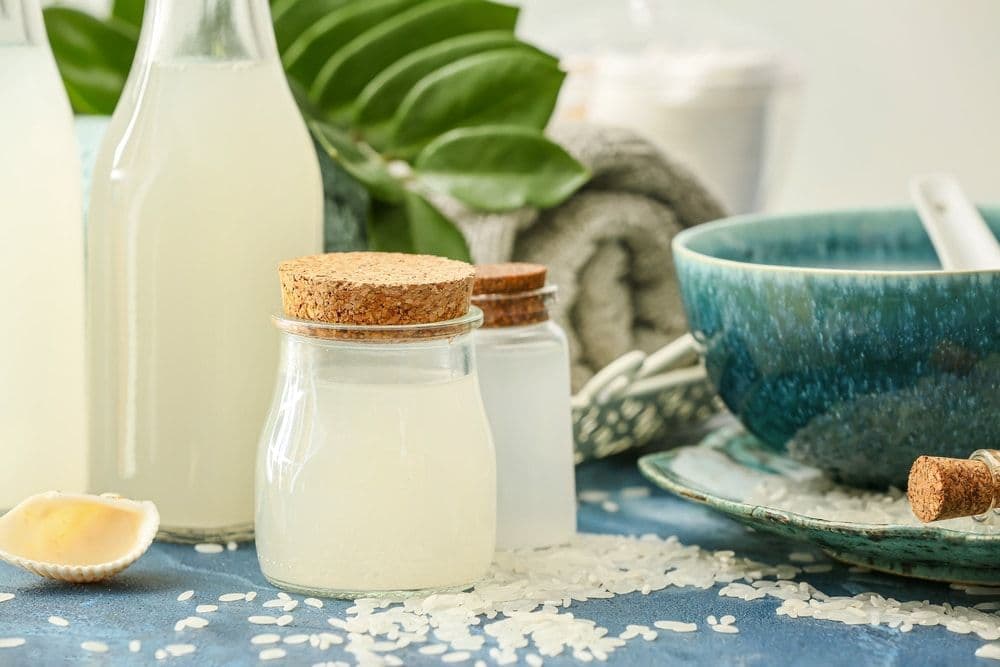
Rice Water for Plants – Which Plants Love It and How to Make It

Rice water can be an ideal DIY solution for orchids, roses, or fruiting plants. It supports growth, leaf count, and height. We’ll share how to make and apply it correctly for your plant.

Plant Care
Rice Water for Plants – Which Plants Love It and How to Make It
Best Fertilizer for Vegetable Gardens – What to Use for Each Plant

11 min read · 20 Jul 2026

Best Fertilizer for Vegetable Gardens – What to Use for Each Plant

Here, you’ll find the right fertilizer formula for vegetables in your garden. Learn how to adjust feeding correctly throughout the growing cycle, spot nutrient deficiencies by their symptoms, and keep your plants healthy and prolific.

Plant Recommendations
Best Fertilizer for Vegetable Gardens – What to Use for Each Plant