

Cycad Identification (Cycas siamensis)

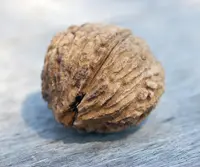
Recognize Cycas siamensis by its short, often partly underground trunk, a tight crown of stiff pinnate leaves, and narrow leaflets set in clear opposite pairs along the rachis.

Plants usually stay low and compact, with leaves arching from a central rosette rather than branching stems. The trunk is thick and rounded, often broader than tall.

Cycas siamensis Identification

Check Your Plant ID

Not sure about your plant ID? Upload a photo and check it with Botan.

Clear images work best. Avoid photos taken too close or too far away

  • 1 free identification
  • No sign-up
  • 30,000+ plants in database

Check the overall form first, then the leaves and cones.

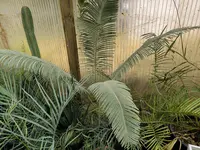
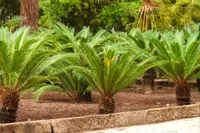
  • A short, stout trunk forms a low crown of stiff, arching fronds.
  • Leaves are featherlike and often about 3-4 feet (0.9-1.2 m) long.
  • Leaflets are narrow, flat, and evenly spaced along the central leaf stalk.
  • The lower leaflets reduce to short spines near the leaf base.
  • Visible cones sit at the center; seed-bearing structures show large, rounded seeds.

A compact trunk with long, spiny-based fronds is a useful visual check for Cycas siamensis.

Cycas siamensis shows useful visual changes from early leaf rosettes to cone-bearing adults.

  • Seedling: Seedlings produce a small crown of few, simple to weakly divided leaves close to the ground, without any visible trunk or elevated stem.
  • Juvenile plant: Juveniles show clearly pinnate leaves but still form a low rosette; the trunk remains absent or very short, so foliage appears to rise directly from soil.
  • Mature plant: Mature plants develop an obvious aboveground trunk, often 3-6 feet (0.9-1.8 m) tall, topped by a dense crown of stiff, arching leaves.
  • Flowering stage: At reproductive age, the crown center produces a cone-like structure; male plants form a single upright cone, while females carry a looser, open seed-bearing cluster.

Cycas siamensis can look noticeably different when it produces a new flush of leaves, usually in warm-season growth. Fresh leaves emerge together from the crown, softer and paler at first, then harden and deepen to gray-green. Reproductive structures are also seasonal visual cues. Mature plants may show cones in the warm season, making the crown look temporarily fuller and more structured than at other times of year.

A few cycads are regularly mistaken for this species in cultivation.

queen sago(Cycas circinalis)

Confusion comes from the arching fronds and similar leaflet spacing. Cycas circinalis is usually much larger, often forming a clear trunk, while Cycas siamensis often stays short and swollen at the base. Its leaflets also tend to be broader.

sago palm(Cycas revoluta)

Both have stiff, pinnate leaves in a crown. Cycas revoluta is told apart fastest by its strongly rolled-under leaflet edges and very narrow, glossy leaflets. Cycas siamensis usually has flatter leaflets and a more distinctly bulbous caudex.

Cycas siamensis is native to mainland Southeast Asia, including Thailand, Cambodia, Laos, and Vietnam. That range helps separate it from cycads native to Japan, Indonesia, or Australia. In the wild it is found in open, seasonally dry habitats, often on limestone hills, rocky slopes, and scrubby woodland. Seeing a plant linked to inland limestone country is a useful clue when narrowing identification.

  • All parts are toxic: Cycas siamensis is toxic to humans and pets if eaten. The seeds are especially dangerous, but leaves and other parts also contain harmful compounds.
  • Highest risk to dogs: Ingestion can seriously poison pets, especially dogs, which are often attracted to fallen seeds. This is an ingestion risk, not a skin-contact hazard.

Does Your Plant Match?

Use Botan to compare a photo and help identify or confirm the plant before you label it or buy another one.

FAQ

This species has a short, often partly underground trunk and stiff, feather-like leaves with narrow, evenly spaced leaflets. In Cycas siamensis identification, the bluish to gray-green foliage and swollen base can help separate it from common landscape cycads.

Everything About Cycad

More Plant Identification Guides

Know What Plant You Have

Identify it from a photo with Botan, then get species-specific care information, plant details, and common problems.

Botan app identifying a plant from a photo
20 Most Popular Fruits Around the World

7 min read · 22 Jul 2026

20 Most Popular Fruits Around the World

Curious which fruits the world actually eats the most? Here's the top-20 by production volume, an overview of what people choose in each region, and a few figures that defy common assumptions.

Plant Recommendations
20 Most Popular Fruits Around the World
12 Best Plants for Bathroom That Thrive in Humid Conditions

9 min read · 29 Sept 2026

12 Best Plants for Bathroom That Thrive in Humid Conditions

Discover the 12 best plants for bathroom spaces. Each pick comes with its own advantages, plus light, humidity, watering, and placement tips. Take a look and match the plant to your specific bathroom.

Plant Recommendations
12 Best Plants for Bathroom That Thrive in Humid Conditions
How to Use a Moisture Meter for Plants

5 min read · 4 Sept 2026

How to Use a Moisture Meter for Plants

Watering by feel kills plenty of houseplants. A moisture meter checks the soil for you, and takes the guesswork out of it. This guide will show you how to use it correctly, from the first touch to the final reading.

Beginner Guides
How to Use a Moisture Meter for Plants