


quince Identification (Cydonia oblonga)

Recognize quince by its broad, simple leaves set alternately on the stems, each leaf oval to nearly round with smooth edges, and by its short, often multi-stemmed small tree form.

It also shows solitary five-petaled flowers and pome fruits that are rounded to pear-shaped and usually 2 to 4 inches (5 to 10 cm) across.

Cydonia oblonga Identification

Check Your Plant with Botan

Upload a plant photo and check the identification in seconds.

Clear images work best. Avoid photos taken too close or too far away

  • 1 free identification
  • No sign-up
  • 30,000+ plants in database

Check Cydonia oblonga for a small tree form with simple leaves, pale flowers, and large pome fruit.

  • Leaves are alternate, simple, oval to rounded, with smooth edges and a broad, slightly pointed tip.
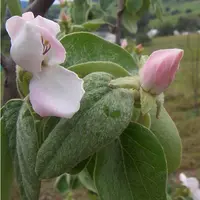
  • Leaf undersides look softly fuzzy, giving the foliage a gray-green cast from a distance.
  • Flowers are solitary, 5-petaled, pale pink to white, and about 2 inches (5 cm) across.
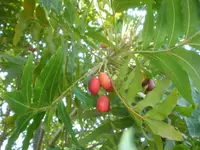
  • Fruit is apple- or pear-shaped, yellow, firm, and usually 2-4 inches (5-10 cm) wide.

The mix of fuzzy leaf undersides and large yellow pome fruit is especially useful to confirm it.

Cydonia oblonga shows clear visual shifts from a young shrub-like plant to fruiting maturity.

  • Young plant: Young plants are usually multi-stemmed and shrub-like, with slender twigs, dense branching, and proportionally larger oval leaves than later trunked specimens.
  • Mature plant: Mature plants develop a short trunk or several thick main stems, forming a broader small tree, often about 10-20 feet (3-6 m) tall.
  • Flowering stage: Flowers appear singly on short shoots, with five broad pale pink to white petals that stand out against the simple, matte foliage.
  • Fruiting stage: The fruiting stage is distinctive for large, rounded to pear-shaped yellow pomes, often slightly fuzzy when young, hanging singly rather than in clusters.

In spring, Cydonia oblonga leafs out with soft, fuzzy new leaves, and pale pink to white five-petaled flowers become visible on short shoots. The bloom is one of the clearest seasonal clues. By fall, the large yellow, apple-like fruits are conspicuous. After leaf drop, the plant shows a bare, twiggy framework with rounded buds that are easier to see in winter.

A few rosaceous fruit shrubs and trees can be mistaken for quince at a glance.

flowering quince(Chaenomeles speciosa)

Often confused because both have simple oval leaves and spring blossoms. Flowering quince is a thorny, suckering shrub, usually 3-10 feet (0.9-3 m), while Cydonia oblonga is usually a small tree or large shrub without obvious thorns. Its flowers also open before or with the leaves.

pear(Pyrus communis)

Confusion happens when both are in leaf or fruit. Pear usually has glossier, more pointed leaves and a more upright tree form. Its fruits are typically narrower at the stem end, while quince fruits are rounder and often fuzzier when young.

Cydonia oblonga is native from the Caucasus and northern Iran into parts of Central Asia. In the wild, it occurs in open woodland margins, scrub, and rocky slopes rather than deep forest. That setting helps with identification because true quince is associated with western Asian upland and foothill landscapes, often in relatively dry, open sites. A supposed wild plant far outside that region is more likely naturalized or another pome fruit.

Confirm It from a Photo

Use Botan to identify or verify the plant from a photo, which helps avoid mix-ups before you label, buy, or share it.

FAQ

The clearest field mark is the fuzzy young growth and leaf undersides, paired with simple, alternate, oval leaves and large pale pink to white five-petaled flowers. Ripe fruit is yellow, firm, and strongly apple-pear like in shape.

Everything About quince

More Plant Identification Guides

Find the Plant. Get the Details.

Identify a plant from a photo with Botan, then review its profile, care information, and common problems.

Botan app identifying a plant from a photo
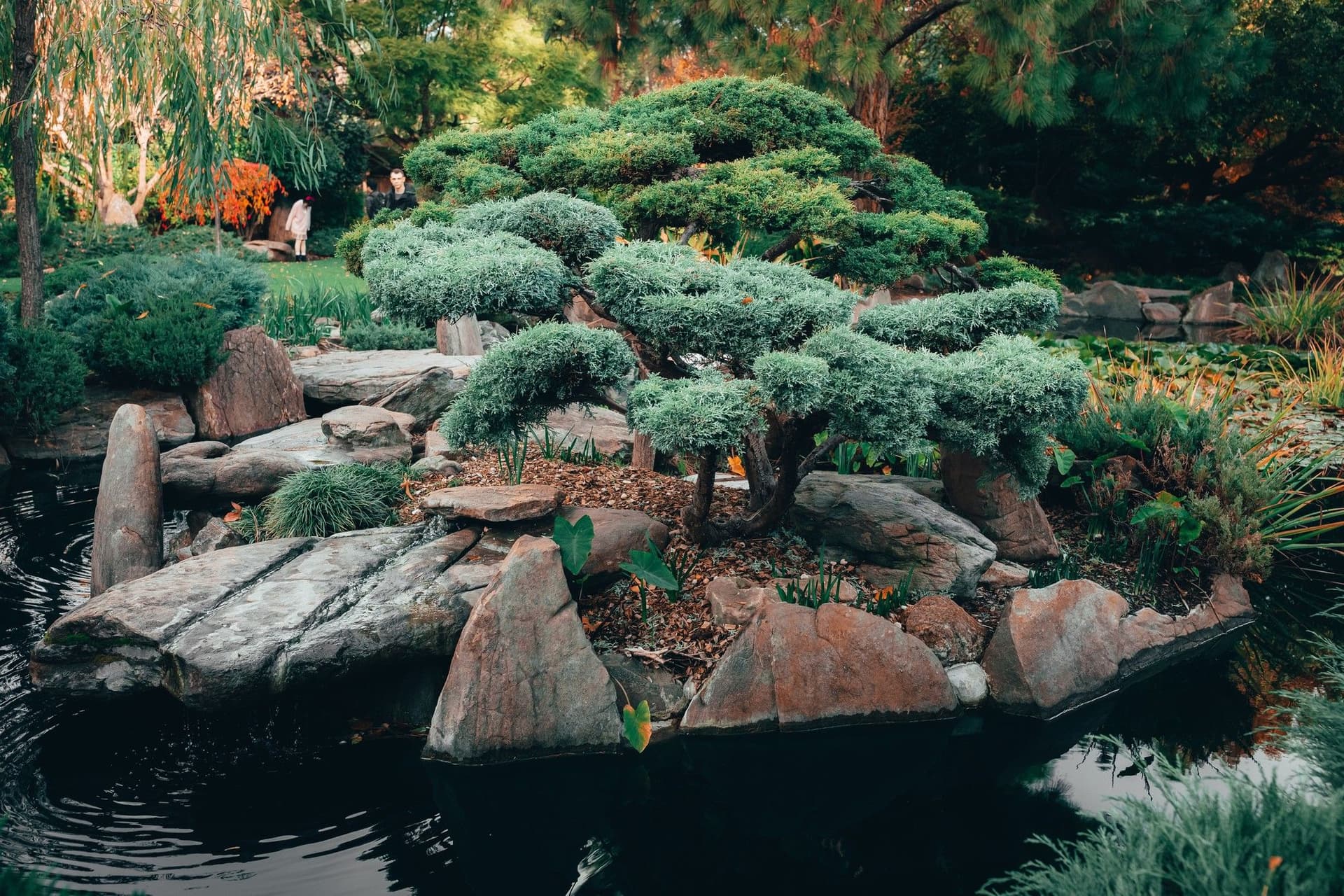
How to Group Plants in Landscaping: A Practical Layout Guide

8 min read · 31 Aug 2026

How to Group Plants in Landscaping: A Practical Layout Guide

Good plant grouping can mean the difference between a well-planned garden and one that looks sloppy. This guide explores layers, spacing, cluster shapes, and the plants that thrive when you group them.

Plant Care
How to Group Plants in Landscaping: A Practical Layout Guide
How to Use a Moisture Meter for Plants

5 min read · 4 Sept 2026

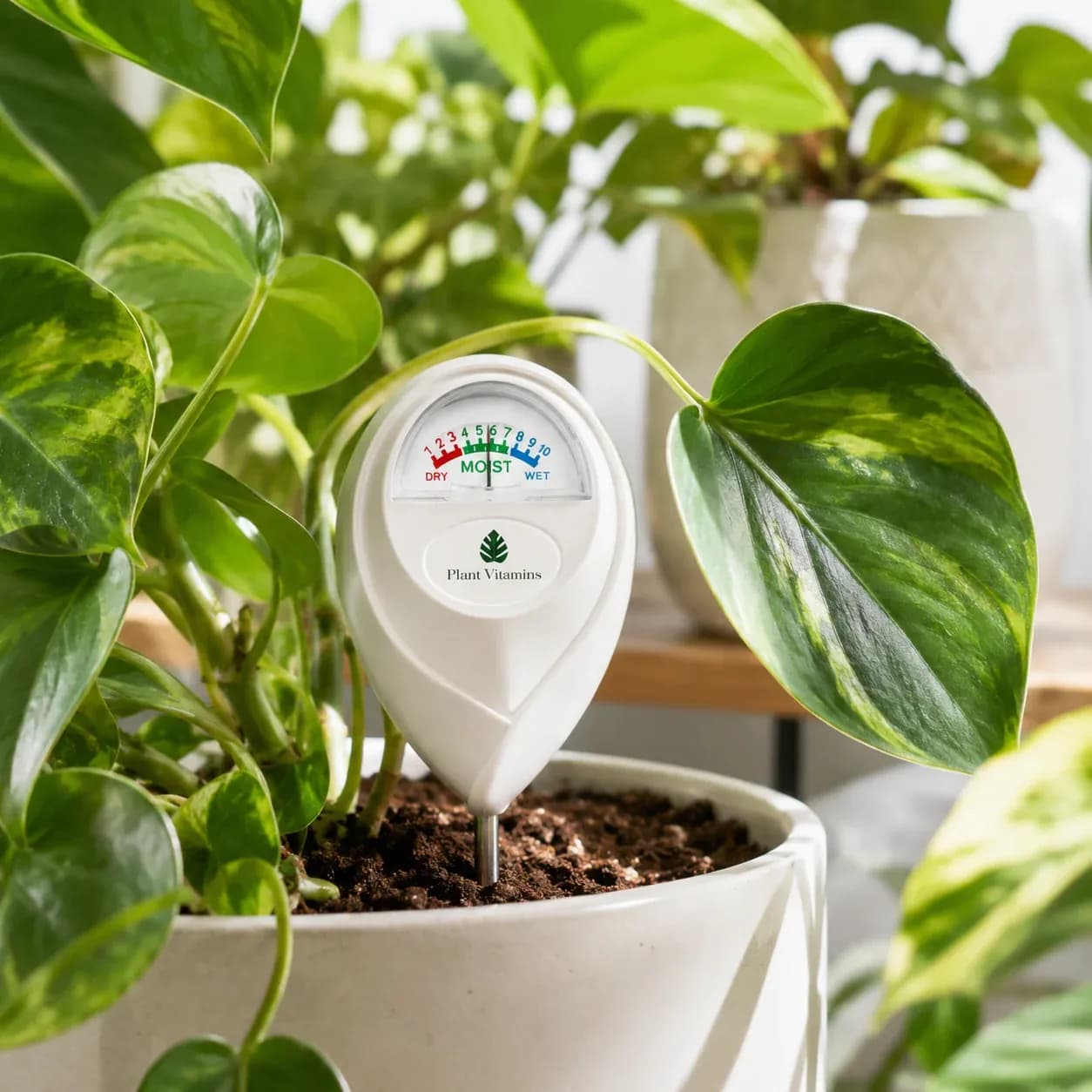
How to Use a Moisture Meter for Plants

Watering by feel kills plenty of houseplants. A moisture meter checks the soil for you, and takes the guesswork out of it. This guide will show you how to use it correctly, from the first touch to the final reading.

Beginner Guides
How to Use a Moisture Meter for Plants
Frozen vs Fresh Vegetable Nutrients: Which Option Is Healthier?

6 min read · 8 Sept 2026

Frozen vs Fresh Vegetable Nutrients: Which Option Is Healthier?

Frozen and fresh vegetables are nutritionally comparable: frozen produce often retains vitamins just as well as fresh and may sometimes contain more. Here’s how blanching and storage affect nutrients—and when to choose each.

Plant Recommendations
Frozen vs Fresh Vegetable Nutrients: Which Option Is Healthier?