


peppermint Identification (Mentha × piperita)

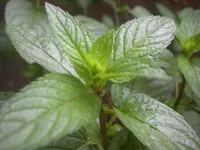
Recognize peppermint by its opposite leaf pairs, square stems, and upright flower spikes at the stem tips. Leaves are lance-shaped to oval with toothed edges, usually 1 to 3 inches (2.5 to 7.5 cm) long.

Plants spread into dense clumps from creeping rhizomes, and the stems branch freely.

Mentha × piperita Identification

Is This peppermint?

Check your plant ID by uploading a clear photo to Botan.

Clear images work best. Avoid photos taken too close or too far away

Check Mentha × piperita for its square stems and opposite leaves first.

  • Leaves grow in pairs, each pair set at right angles to the next along the stem.
  • Leaf blades are lance-shaped to oval, sharply toothed, and usually 1.5-4 inches (4-10 cm) long.
  • Stems are upright to spreading, branching freely, and often show a purplish tint.
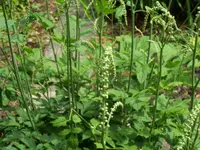
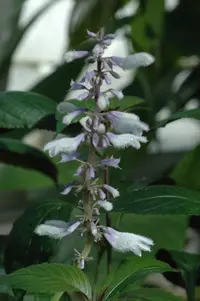
  • Small flowers form dense terminal spikes; each flower is tiny, tubular, and pale pink to lilac.

Crushed leaves and stems often look slightly wrinkled, which can help confirm the ID.

Peppermint shows useful visual shifts from early shoots to flowering stems and dense patches.

  • Young plant: New shoots form upright, square stems with opposite leaf pairs; leaves are smaller, narrower, and less crowded than on established stems.
  • Mature plant: Established plants branch from spreading rhizomes into thicker clumps, often 1-3 feet (30-90 cm) tall, with broader paired leaves packed more densely along stems.
  • Flowering stage: Upper stems end in tight, layered spikes of many small pale purple flowers; leaves near the top shorten, making the flower clusters stand out clearly.

Several peppermint selections are identifiable by leaf variegation or growth habit.

  • Mentha × piperita f. citrata 'Variegata': Leaves are green with irregular creamy white margins and patches, unlike the typical solid green foliage.
  • Mentha × piperita 'Chocolate': Stems are distinctly dark brown to purplish brown, often darker than the usual purple-flushed stems.
  • Mentha × piperita 'Lime': Foliage is lighter yellow-green to bright green, giving a paler look than the standard deep green form.

In spring, peppermint sends up fresh green shoots from spreading roots, quickly forming dense patches of paired, toothed leaves on square stems. By mid to late summer, short spikes of small pink to lavender flowers become visible at stem tips. After frost, the tops die back, leaving no persistent woody structure.

Several mints can be mistaken for peppermint at a glance.

spearmint(Mentha spicata)

Both have opposite, toothed leaves on square stems. Spearmint usually has brighter green, narrower, less puckered leaves; peppermint often shows darker leaves and a purple-tinged stem.

watermint(Mentha aquatica)

It shares mint leaves and square stems. Watermint is usually rounder-leaved and bears dense, rounded flower heads at stem tips; peppermint more often has longer spikes from upper leaf axils and stem ends.

apple mint(Mentha suaveolens)

This can confuse when young because both are leafy, spreading mints. Apple mint has broader, softly hairy, pale gray-green leaves; peppermint leaves are smoother and darker green.

  • Concentrated oils: Leaves contain menthol-rich essential oil. Large ingestion is the main concern for humans and pets, especially cats and dogs, because concentrated peppermint oil can cause stomach upset and more serious signs.
  • Skin contact: Crushed leaves or essential oil can irritate skin in some people. The concern is contact exposure rather than the intact plant at a distance.

Scan. Check. Confirm.

Use Botan to identify or verify a plant from a photo, helping avoid mix-ups with similar-looking species.

FAQ

Look for square stems, opposite dark green leaves, and a strong cool mint scent when a leaf is crushed. Leaves are usually lance-shaped, finely toothed, and often slightly purplish on stems or veins.

Everything About peppermint

More Plant Identification Guides

From Plant ID to Plant Info

Identify a plant from a photo with Botan, then get species-specific care information, safety notes, and common problems.

Botan app identifying a plant from a photo
Best Time to Mow Lawn – A Complete Guide

5 min read · 10 Aug 2026

Best Time to Mow Lawn – A Complete Guide

Explore when to mow your lawn for its health and a pleasant green color. Find out the best time for this task during the summer heat, and follow practical tips for correctly cutting the grass, and learn common mistakes to avoid.

Plant Care
Best Time to Mow Lawn – A Complete Guide
12 Best Plants for Bathroom That Thrive in Humid Conditions

9 min read · 29 Sept 2026

12 Best Plants for Bathroom That Thrive in Humid Conditions

Discover the 12 best plants for bathroom spaces. Each pick comes with its own advantages, plus light, humidity, watering, and placement tips. Take a look and match the plant to your specific bathroom.

Plant Recommendations
12 Best Plants for Bathroom That Thrive in Humid Conditions
How to Use a Moisture Meter for Plants

5 min read · 4 Sept 2026

How to Use a Moisture Meter for Plants

Watering by feel kills plenty of houseplants. A moisture meter checks the soil for you, and takes the guesswork out of it. This guide will show you how to use it correctly, from the first touch to the final reading.

Beginner Guides
How to Use a Moisture Meter for Plants