Protective work zone
Establish a permanent no-access buffer around the plant and always wear nitrile gloves, long sleeves, and eye protection when working nearby to avoid severe skin reactions from sap or smoke exposure.

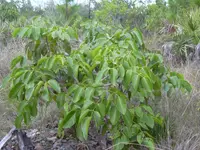
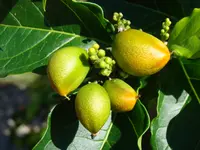
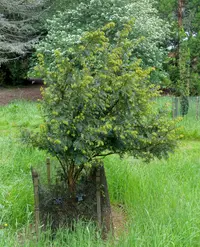
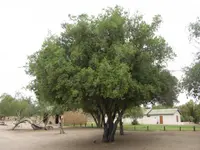
Poisonwood, Metopium toxiferum, is a fast-growing evergreen tree native to South Florida, the Bahamas, and the Caribbean. It typically forms a dense, rounded crown with glossy, compound leaves and dark, berry-like fruits. The tree is highly resinous, and its sap can cause severe skin reactions, which is the main challenge for anyone who wants to care for poisonwood or manage it in a landscape. It thrives in warm, coastal habitats, often in hammocks and pine rocklands. Poisonwood favors full sun to partial shade and well-drained, often rocky or sandy soils, making it suited to tough, exposed sites rather than small home gardens.

Care Difficulty
Hard Care

Light Preference
Full Sun

Water Requirements
Low Water

Temperature Preference
Tropical / Frost Sensitive

Hardiness Zone
10–11

Soil Texture
Sandy, Loamy, Rocky

Soil pH
Slightly acidic (6.5–7.0), Neutral (7.0)

Soil Drainage
Well-drained

Fertilization
Minimal (feed rarely)
Scan your plant to receive care tips personalized for your specific plant
Available on iOS and Android
Metopium toxiferum is a sun-loving coastal tree that performs best in bright, open sites.
This drought-tolerant tree prefers deep, infrequent watering once established.
This species thrives in warm, frost-free climates typical of subtropical coastal regions.
This species tolerates a wide humidity range and usually does not need special humidity management outdoors.
Soil for Metopium toxiferum should be fast-draining, mineral-based, and never chronically wet.
This species is generally unsuitable for long-term container growing due to its size, vigor, and extensive root system.
This native tree usually grows well in poor, sandy soils and needs minimal fertilization in landscapes.
Metopium toxiferum requires only light, purposeful pruning to maintain safe structure and clearance.
This species is typically grown in-ground; focus on careful transplanting rather than frequent repotting.
Metopium toxiferum is usually propagated by seed and is not a common garden propagation project.
This subtropical tree is not frost hardy and needs protection in regions with significant winter cold.

Plant Health Check
Not sure what's wrong with your plant? Check your plant's health inside the app.
This species contains very high levels of urushiol, the same allergenic oil found in poison ivy and poison oak, and can trigger severe contact dermatitis from even minor skin exposure.
It is a common pioneer tree in disturbed, rocky, and coastal habitats of southern Florida and the Caribbean, where its deep root system helps stabilize thin, alkaline soils.
The tree tolerates salt spray and strong coastal winds, allowing it to form dense thickets along shorelines and in exposed pinelands where less tolerant species fail.

The fruits are an important seasonal food source for many birds in south Florida and the Caribbean, including migrating species, which helps disperse the seeds across long distances and supports coastal bird populations.
Yes. The sap contains strong urushiol-type resins that cause severe skin irritation, blistering, and eye injury in humans and animals. Ingestion can damage the digestive tract. Avoid contact, keep pets away, and never burn plant material.
Keep your plants happy and healthy with plant identification, disease detection, and easy care guidance.