Wind-firm training
In the first 2–3 years, stake the young tree on the windward side and loosely tie the trunk so it can flex, which encourages a stronger root system and a sturdier main leader for long-term stability.

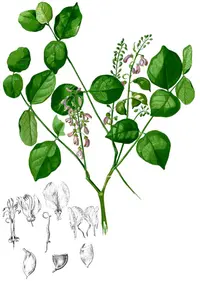
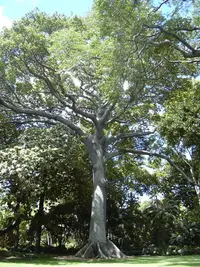
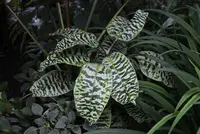
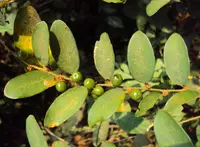
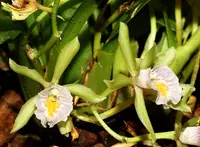
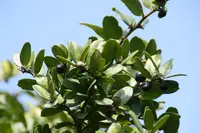
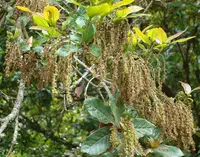
The Indian beech tree, Pongamia pinnata, is a medium-sized, fast-growing, evergreen tree often used as a shade or avenue tree in warm climates. It has a rounded crown, glossy dark green leaflets, clusters of pale pink to white flowers, and flattened pods containing oil-rich seeds.
This species is native to tropical and subtropical coastal regions of South and Southeast Asia and has naturalized in many other warm coastal areas. It is valued for its hardiness, tolerance of poor or salty soils, and ability to fix nitrogen, which makes establishment relatively easy.
It prefers full sun, moderate moisture, and well-drained soil, and understanding how to care for Indian beech tree starts with providing warmth and space to develop its canopy and roots.

Care Difficulty
Moderate Care

Light Preference
Full Sun

Water Requirements
Moderate Water

Temperature Preference
Tropical / Frost Sensitive

Hardiness Zone
10–12

Soil Texture
Sandy, Loamy, Clay

Soil pH
Slightly acidic (6.5–7.0), Slightly alkaline (7.0–7.5)

Soil Drainage
Well-drained

Fertilization
Minimal (feed rarely)
Scan your plant to receive care tips personalized for your specific plant
Available on iOS and Android
Pongamia pinnata prefers strong sun in warm climates but benefits from some protection during the hottest hours.
Pongamia pinnata prefers evenly moist, well-drained soil once established but does not tolerate standing water.
This warm-climate tree grows best in consistently mild to hot temperatures without frost exposure.
Pongamia pinnata tolerates a wide humidity range and usually does not need special humidity management outdoors.
Pongamia pinnata prefers deep, well-structured, free-draining soil to support its extensive root system and fast growth.
This species can be grown in containers when kept as a juvenile or small specimen, but long-term container culture is limited by its eventual tree size.
This nitrogen-fixing tree usually needs minimal feeding in the ground, but light fertilization supports container or stressed plants.
Pruning helps Pongamia pinnata maintain a strong structure and safe, manageable canopy.
This species is most often transplanted to the ground rather than kept long term in containers.
Pongamia pinnata is commonly propagated from seed and sometimes from semi-hardwood cuttings.
This tropical to subtropical tree is frost-sensitive and benefits from protection in cooler climates.

Plant Health Check
Not sure what's wrong with your plant? Check your plant's health inside the app.
This species forms nodules on its roots with symbiotic bacteria from the genus Bradyrhizobium, which convert atmospheric nitrogen into forms the tree can use, enriching the surrounding soil for other plants as well.
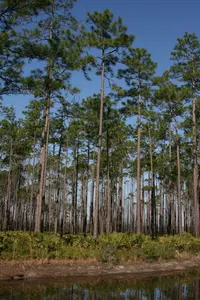
Mature trees tolerate moderate soil salinity and periodic coastal flooding, which is why they are often used in coastal shelterbelts and for stabilizing shorelines in tropical and subtropical regions.
The seeds contain high levels of non-edible oil, historically used for soap, lamp fuel, and lubrication, and more recently researched as a potential feedstock for biodiesel in sustainable energy studies of Pongamia pinnata plant care.

In parts of South and Southeast Asia, this tree has been widely planted along roadsides and in villages because its dense, spreading crown provides stable shade year-round while its root system helps control erosion on degraded or sloping soils.
Poor flowering is usually linked to plant immaturity, heavy pruning at the wrong time, or nutrient imbalance with too much nitrogen. Full sun, moderate phosphorus, and avoiding drastic pruning before flowering season help restore bloom production.
Keep your plants happy and healthy with plant identification, disease detection, and easy care guidance.