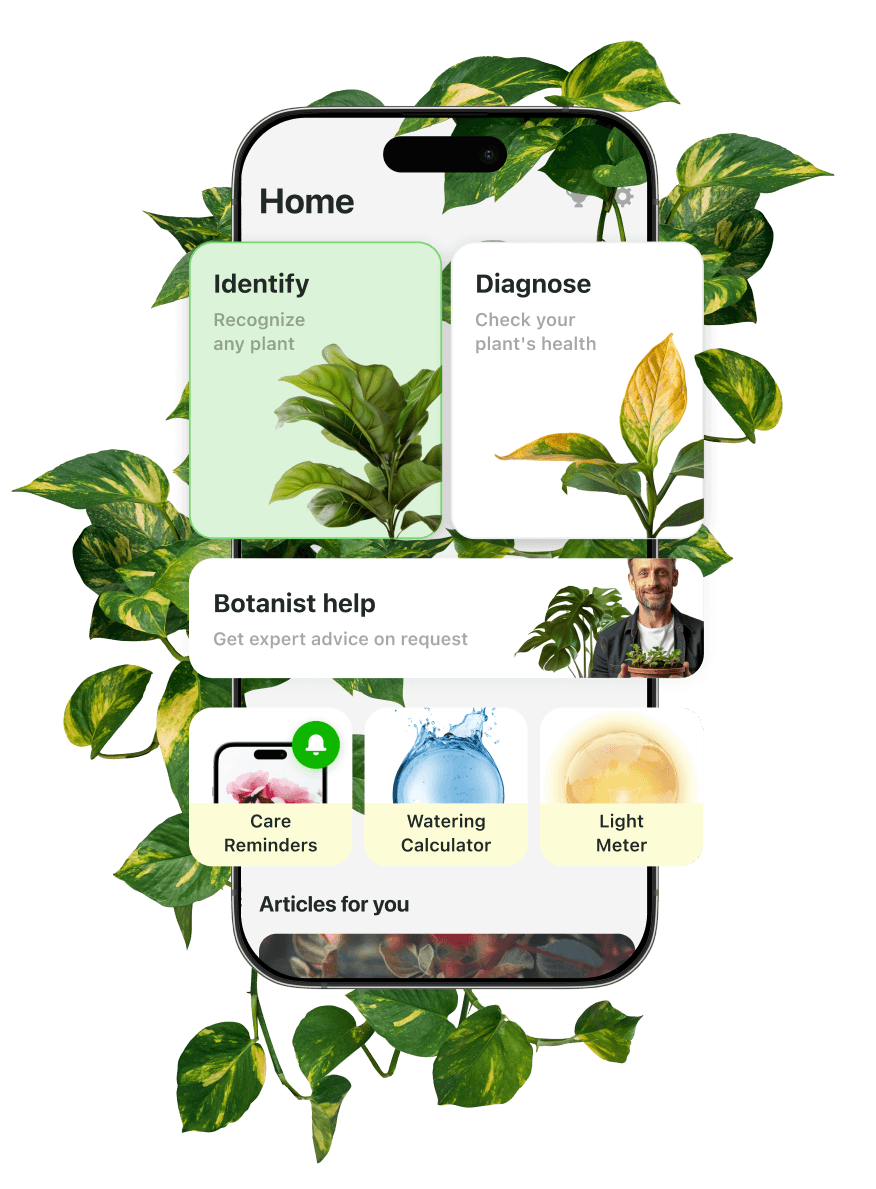
How to Revive a Fiddle Leaf Fig: Find the Cause and Bring It Back
Drooping, spotted, or falling leaves are signals that something in its environment has gone wrong, and in most cases the cause can be found and corrected.

On this page
- Why Is Your Fiddle Leaf Fig Dying? Common Causes at a Glance
- Step 1: Check Where the Fiddle Leaf Fig Is Placed
- Signs Your Ficus Isn’t Getting Enough Light
- Step 2: Water by Soil Moisture, Not by Schedule
- How to Save a Fiddle Leaf Fig With Root Problems
- Why a Fiddle Leaf Fig Suddenly Drops Its Leaves
- How to Keep a Fiddle Leaf Fig Alive Year-Round
- Final Thoughts on How to Revive a Fig Tree
A fiddle leaf fig (Ficus lyrata) rarely declines for no reason. Most often, problems arise due to insufficient light and improper or inconsistent watering, which leads to issues with the root system.
To bring the plant back, move it closer to a window gradually, water only once the top 1-2 inches of soil have dried out, grow it in a pot with drainage holes, and keep conditions as stable as possible. If the plant was overwatered, is dropping leaves en masse, and the soil smells unpleasant, it needs urgent repotting with root trimming.
Why Is Your Fiddle Leaf Fig Dying? Common Causes at a Glance
A plant dying indoors usually shows symptoms that point straight to the cause. Besides light and watering, temperature fluctuations, drafts, or any other sudden changes in conditions can also worsen the plant’s condition. The Ficus lyrata needs stability for normal growth.
The table below helps match what is visible on the plant to the most likely problem:
Symptom | Likely cause | First steps |
Pale new leaves, smaller than the previous ones; thin, elongated new shoots | Insufficient light | Move the plant closer to a window gradually, a little every 1-2 days |
Sudden yellowing and leaf drop, brown spots, wilted look despite moist soil | Overwatering | Let the top 1-2 inches (2.5-5 cm) of soil dry before the next watering; check for drainage holes |
General wilting, dry patches on leaves, dry soil | Underwatering | Water evenly until water drains out the bottom of the pot |
Widespread leaf drop, unpleasant odor from the soil, pot without drainage holes | Root problems after overwatering | Act quickly: unpot, trim dead roots, treat roots, repot in fresh loose mix |
Sudden mass leaf drop after moving the plant or a sharp change in light or temperature | Stress from sudden changes | Keep conditions as stable as possible; avoid further moves |
Occasional loss of a single lower leaf while new leaves keep appearing | Natural shedding of old leaves | No action needed |

Fix Plant Problems
Leaves turning yellow or falling off? Find the cause and solutions
Step 1: Check Where the Fiddle Leaf Fig Is Placed
The first thing to look at is the plant’s location. It is often placed in a corner of the room, far from a window, and these conditions are completely unsuitable. A ficus needs at least 6 hours of light per day.
Ideally, it should stand next to an east-facing window, where it will receive soft, direct morning sunlight and more diffused but bright light throughout the day. More details on placement are available in the guide to fiddle leaf fig light requirements.
Signs Your Ficus Isn’t Getting Enough Light
The main sign is pale new leaves that are smaller than the previous ones. Also, new shoots will become thinner and more elongated if there isn’t enough light. This stretched, weak growth caused by low light is known as etiolation.
If the ficus has been sitting in a dark corner for a long time, it shouldn’t be suddenly moved into direct sunlight. It needs to be acclimated gradually by moving it a little closer to the light every 1-2 days. A sharp jump in light is itself one of the sudden changes that stress this plant.
Step 2: Water by Soil Moisture, Not by Schedule
It’s also important to monitor the moisture level of the soil in the pot. The plant should be watered once the top 1-2 inches(2.5-5 cm) of soil has dried out. It should be grown in a pot with drainage holes and watered until water begins to drain out the bottom.
Good drainage lets excess water leave the pot instead of collecting around the roots. A finger or a wooden skewer pushed into the soil is an easy way to check moisture before each watering. More watering tips are collected in the fiddle leaf fig watering guide.

How to Save a Fiddle Leaf Fig With Root Problems
The most serious situation is when the ficus has been overwatered, there is widespread leaf drop, the pot has no drainage holes, and an unpleasant odor is coming from the soil. Take action quickly:
- Remove the plant from the pot.
- Trim off the dead roots.
- Treat the roots.
- Repot the ficus in a new pot with drainage holes and fresh, loose potting mix.
If this isn’t done, the rot may eventually spread to the trunk, and the entire plant will die.
Healthy roots are generally light-colored and firm, while dead roots look dark, feel soft or mushy, and often carry the same unpleasant smell as the soil.
After repotting, the watering rule above applies: water only once the top 1-2 inches (2.5-5 cm) of the new mix has dried out.
Not Sure What’s Wrong With Your Plant?
Snap a photo and get a recovery plan
Why a Fiddle Leaf Fig Suddenly Drops Its Leaves
Most ficus plants can experience widespread leaf drop. This is caused by stress resulting from sudden changes in conditions: moving the plant, drastic changes in light or temperature (overcooling or overheating), and so on. Shedding leaves under stress is a form of leaf abscission. That is why conditions should be kept as stable as possible.

How to Keep a Fiddle Leaf Fig Alive Year-Round
The same principle applies in every season: stable conditions and attention to what the plant actually needs.
A few habits help prevent the problems described above:
- Light: keep the plant near a bright window where it gets at least 6 hours of light a day, and don’t move it back into a dim corner.
- Water: keep checking the soil instead of following a calendar. In cooler months, the soil dries more slowly, so the plant will naturally need water less often.
- Temperature: a steady 65–75°F (18–24°C) suits Ficus lyrata. Keep it away from cold drafts near doors and windows, and from heating or air-conditioning vents, and don’t let the temperature drop below 50°F (10°C).
- Pot and soil: always use a container with drainage holes and a loose, well-draining mix.
- Feeding: use a diluted liquid fertilizer during the warm growing season and stop in winter. A recovering plant is better left unfed until it starts producing new leaves.
Finally, wipe dust off the large leaves from time to time so they can use available light efficiently.
Final Thoughts on How to Revive a Fig Tree
For anyone working out how to revive a fig tree like Ficus lyrata, patience matters as much as the fixes themselves. An underwatered plant often regains its firmness soon after it is watered evenly. Recovery from low light, overwatering, or root problems is slower.
Leaves that already have brown spots or dry patches won’t turn fully green again. The real sign of progress is healthy new growth: new leaves that are normal in size and color, and shoots that are no longer thin and stretched. Making one correction at a time and then leaving the plant in place gives it the stability it needs.
In the end, how to revive a fiddle leaf fig comes down to three things: enough light, watering based on soil moisture, and steady conditions.
FAQ
If the stem and roots are still alive, then yes, it can. A simple test is to scratch a small patch of bark on the stem with a fingernail: if the tissue underneath is green and moist, that part of the stem is alive, if it is brown and dry or mushy, it has died. If the cause of the decline is remedied, the living stem will force new leaves from its buds.
Found this helpful?
Add Botan as a preferred source on Google.
Anastasiia Vasylchyshyna
Botanist
5+ of botanical experience
A biologist by training and a botanist by calling, Anastasiia turns scientific knowledge into practical advice anyone can use to keep their plants healthy and thriving.
Related Articles

4 min read · 28 Oct 2026
Deer Damage to Trees: How to Protect Plants in Your Garden
Every fall, gardeners and landowners find young trees with shredded bark, snapped branches and bare patches on the trunk. What to do?
8 min read · 1 Oct 2026
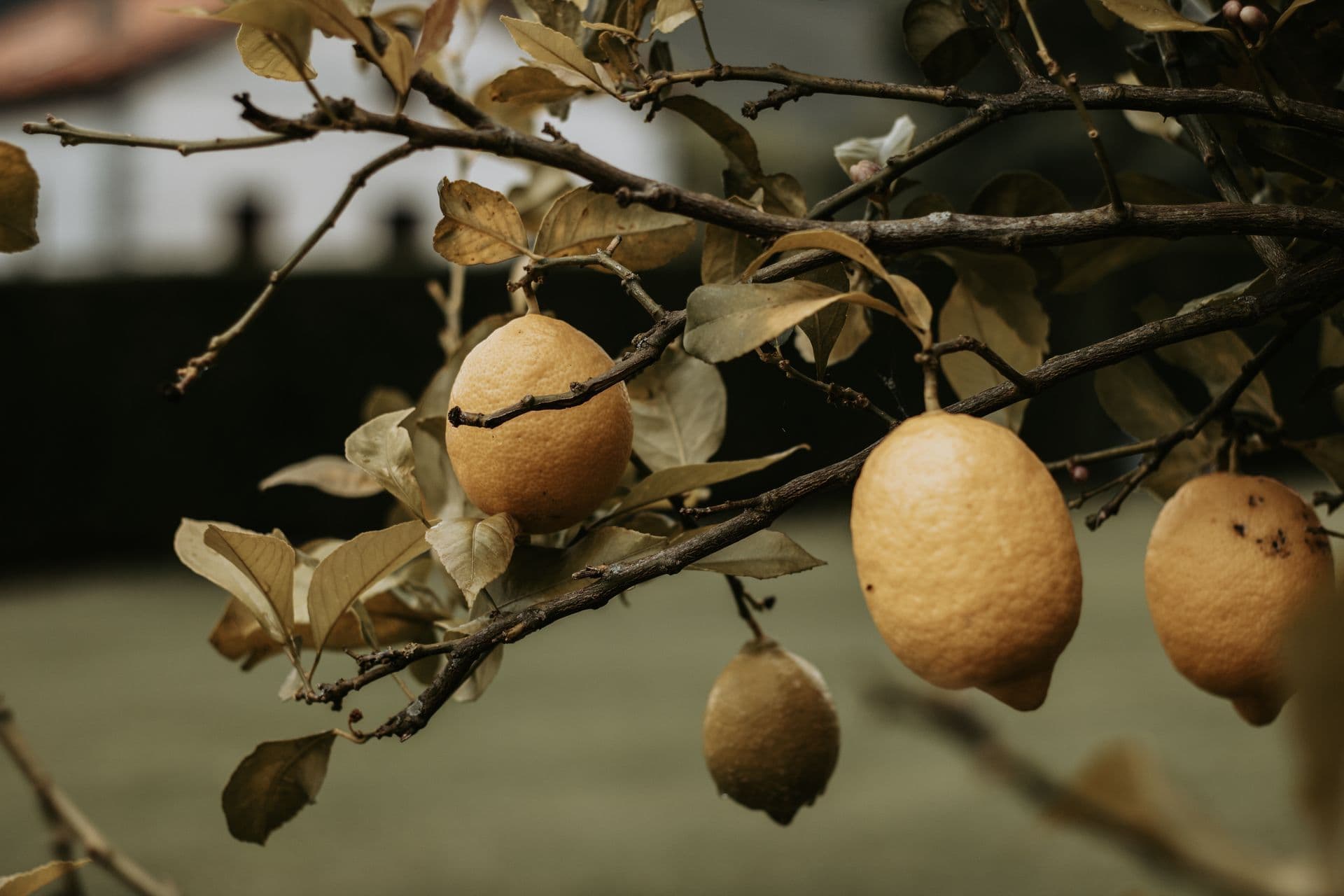
Lemon Tree Leaves Turning Yellow: Causes and How to Fix It
Yellow leaves are one of the most common lemon tree problems. This guide explains eight causes of lemon tree leaves turning yellow, from overwatering to root rot, with a fix for each.

5 min read · 16 Sept 2026
How to Keep Cats Away From Plants: 7 Safe and Effective Methods
Cats may dig in potting soil, chew leaves, or knock containers over. These seven methods combine safer placement, physical protection, a suitable chewing alternative, and play to help protect your plants without putting your cat at risk.
More Houseplants for Indoor Growing
Friendship Plant
Pilea ovalis 'Moon Valley'
Peperomia
Peperomia caperata 'Emerald Ripple'
White Variegated Monstera
Monstera deliciosa 'Albovariegata'
Haworthia
Haworthia 'Big Band'
Calathea
Goeppertia crocata 'Tassmania'
Dumb Cane
Dieffenbachia 'Marianne'

Corn Plant
Dracaena fragrans 'Dorado'
Dragon Tree
Dracaena reflexa var. angustifolia 'Bicolor'
Identify the plant and problem. Help your plant recover
Identify plant problems early, understand what's wrong, and get clear care guidance. Botan helps you turn guesswork into confident plant care