Cactus (Disocactus phyllanthoides) Watering Guide

This page explains when, how often, and how much to water Disocactus phyllanthoides in simple, practical terms.

Water Requirements

Moderate Water

Disocactus phyllanthoides Watering

This epiphytic cactus from seasonally moist tropical forests guides how to water Cactus effectively indoors. Disocactus phyllanthoides experiences damp air but roots that dry slightly between natural rain events.

Aim for soil that becomes lightly dry between waterings rather than staying wet or bone dry for long. Indoors, watering Cactus usually means gentler, more controlled moisture than outdoor-grown plants receive from variable rainfall.

Let the soil of Disocactus phyllanthoides dry out most of the way before watering again; the top 1–2 inches (3–5 cm) should feel dry. In bright, warm spring and summer conditions, this usually means watering about every 7–14 days, with cooler, lower-light periods lengthening the interval.

Water when the top half of the mix feels dry and the pot feels noticeably lighter, then hydrate Disocactus phyllanthoides thoroughly once.

  • Pour room-temperature water slowly over the soil surface, circling the base so the entire root zone is evenly moistened.
  • Continue watering until liquid runs from the drainage holes, confirming moisture has reached the lower roots without guessing.
  • Empty any saucer or cachepot within 10–15 minutes so the pot does not stand in leftover water.
  • Keep the flattened stems dry by directing the stream onto the soil only, avoiding splashing on foliage and crown.

Incorrect moisture balance can trigger health problems for Disocactus phyllanthoides grown indoors or outside.

Shriveled, Limp Stems:

Segment edges wrinkle and droop when potting mix stays bone-dry for extended periods between waterings.

Yellow, Mushy Segments:

Pale, soft tissue develops where roots suffocate in compacted, waterlogged mix without enough air pockets.

Brown Stem Bases:

Lower joints darken and collapse after repeated saturation, signaling rot starting at crown and roots.

Moldy Soil Surface:

Fuzzy growth and sour smell appear when excess moisture lingers in low-light, poorly ventilated locations.

Keep the mix lightly moist, never saturated, allowing partial drying before thoroughly watering again.

Unsuitable watering habits can stress Disocactus phyllanthoides, weakening growth and flowers in this moisture‑loving cactus compared with desert species.

  • Watering by schedule: Following a rigid calendar encourages repeated wetness; instead, water only when the top inch of mix feels dry to the touch.
  • Dense, heavy potting mix: Using garden soil or dense peat holds water too long; choose a chunky, fast‑draining mix made for epiphytes or orchids.
  • Letting runoff sit: Leaving water in the saucer keeps roots saturated; empty any excess a few minutes after watering to restore air pockets.

Safer watering focuses on well‑draining substrate, brief moisture followed by partial drying, and containers that let excess water escape quickly.

  • Spring: Increase watering as new segments and flower buds expand, letting the top layer dry slightly between soakings to avoid root stress.
  • Summer: In bright, warm conditions, water more often but still allow partial drying; reduce frequency if kept in cooler, shaded indoor spots.
  • Fall: Gradually cut back watering as growth slows, keeping the mix lightly moist but never saturated while preparing for a rest period.
  • Winter: Provide sparing water, just enough to keep stems firm, especially in cool rooms, and avoid cold, wet soil around the roots.

Your Assistant for Proper Watering

Use Botan for gentle reminders, a tailored watering guide, and practical care steps for Disocactus phyllanthoides, plus photo-based checks that help notice potential issues early.

Botan plant care app — identify plants on mobile

Interesting Watering Facts

Rain‑season growth flush

In its native Mexican cloud forests, this species responds to the summer–autumn rainy season with a strong growth and flowering flush, then slows in the drier, cooler months, so cultivated plants do best with slightly reduced watering in winter to mimic this pattern.


Moisture‑loving epiphytic roots

Unlike many desert cacti, its thin epiphytic roots are adapted to damp, organic debris on trees or rocks and tolerate evenly moist conditions, provided there is rapid drainage and abundant air around the roots.

Flattened stems for storage

The broad, flattened cladodes (leaf‑like stems) store water and help it cope with short dry spells in the forest canopy, so it prefers consistent light moisture rather than the prolonged drought cycles used for many arid cacti.

FAQ

Use room‑temperature water, roughly 65–80°F (18–27°C). Water that is too cold can shock roots, and very warm water may damage them. Let tap water sit until it reaches indoor temperature before use.

More Plant Watering Guides

Is Your Watering Routine Hurting Your Cactus?

Botan reviews your watering pattern to see if moisture levels stay on track.

Watering a plant with a copper watering can
Best Fertilizer for Vegetable Gardens – What to Use for Each Plant

11 min read · 20 Jul 2026

Best Fertilizer for Vegetable Gardens – What to Use for Each Plant

Here, you’ll find the right fertilizer formula for vegetables in your garden. Learn how to adjust feeding correctly throughout the growing cycle, spot nutrient deficiencies by their symptoms, and keep your plants healthy and prolific.

Plant Recommendations
Best Fertilizer for Vegetable Gardens – What to Use for Each Plant
Plants That Repel Mosquitoes – 10 Effective Choices

8 min read · 6 Jul 2026

Plants That Repel Mosquitoes – 10 Effective Choices

Plants that repel mosquitoes can help mask human scent naturally and make outdoor spaces more comfortable. Explore the most effective options, their benefits and drawbacks, and choose the right plant for your space.

Plant Recommendations
Plants That Repel Mosquitoes – 10 Effective Choices
How to Use a Moisture Meter for Plants

5 min read · 4 Sept 2026

How to Use a Moisture Meter for Plants

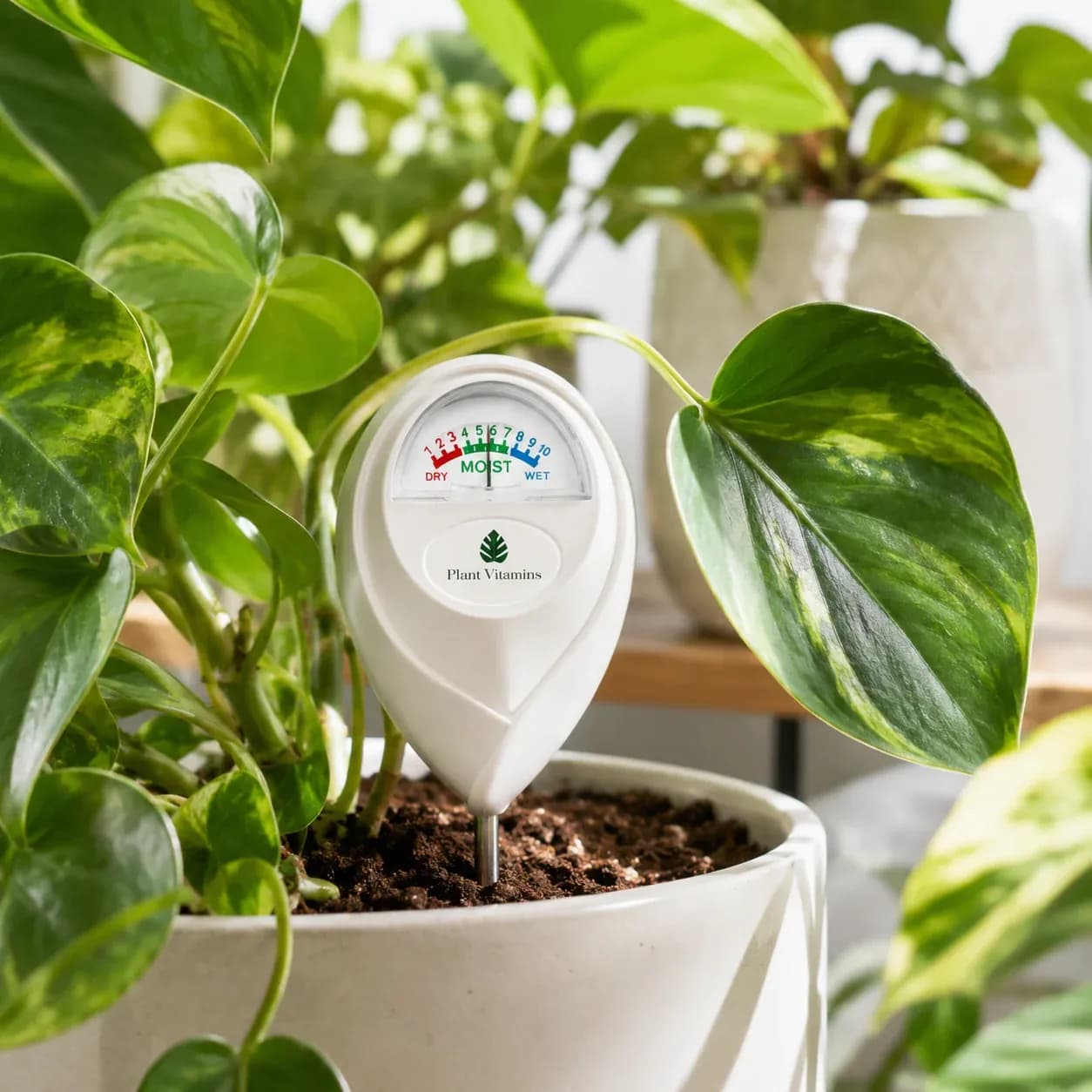
Watering by feel kills plenty of houseplants. A moisture meter checks the soil for you, and takes the guesswork out of it. This guide will show you how to use it correctly, from the first touch to the final reading.

Beginner Guides
How to Use a Moisture Meter for Plants