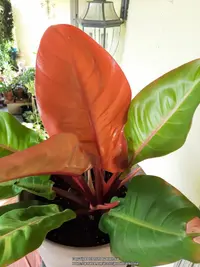
Is Philodendron Toxic?Philodendron 'Prince of Orange'

Toxic to Pets & Humans
  • HumansMild
  • CatsMild
  • DogsMild
Toxic compound
insoluble calcium oxalates
Toxic parts
all parts
Contact risk
sap irritates skin and mouth
Philodendron 'Prince of Orange' Toxicity

The 'Prince of Orange' philodendron is toxic to humans, cats, and dogs. All parts contain insoluble calcium oxalates, so chewing or eating any part poses a risk. Contact with the sap is another exposure route.

GroupToxicityShort answer
Humans
Toxic
Toxic

Chewing or eating any part can irritate the mouth, including accidental bites taken by children.

Cats
Toxic
Toxic

Cats that chew the leaves or stems may drool, even without swallowing the plant material.

Dogs
Toxic
Toxic

Biting or chewing any part can irritate a dog's mouth; swallowing is not necessary for irritation to occur.

Horses

Chewing or eating the plant can cause mouth irritation in horses; the overall severity is not established.

Philodendron 'Prince of Orange' contains insoluble calcium oxalates, which form tiny, needle-shaped crystals within plant cells. Chewing breaks these cells and releases the crystals, which physically irritate the tissues lining the mouth.

Exposure can also occur during pruning or handling if damaged plant tissue releases sap. This sap can irritate skin and mouth tissues through direct contact, without any plant material being swallowed.

Plant partContains toxinDetails
All parts
Contains toxin: Yes
Yes

All parts contain insoluble calcium oxalates. No part should be considered suitable for people or pets to eat or chew.

Symptoms from Philodendron 'Prince of Orange' depend on the type of exposure. Chewing the plant mainly affects the mouth, while sap contact may affect the skin.

AreaSymptoms
Mouth & throat

Burning pain, swollen lips or tongue, and difficulty swallowing.

Digestive system

Nausea, vomiting, and stomach discomfort after eating the plant.

Skin

Redness, itching, or burning where sap touches skin.

Cats & dogs

Drooling, mouth irritation, vomiting, and difficulty swallowing.

A compact Philodendron 'Prince of Orange' still needs room for spreading leaves, along with careful handling during trimming and repotting.

  1. Keep Spreading Leaves Beyond Reach

    Place this upright, self-heading philodendron where its spreading leaves remain beyond children’s and pets’ reach, including from nearby furniture.

  2. Wear Gloves When Trimming

    Wear gloves when cutting damaged leaves or their fleshy stalks. Handle cut surfaces carefully to limit contact with released sap.

  3. Collect Removed Leaves Immediately

    Put trimmed leaves and stalks directly into a bag or covered waste container, rather than leaving them on the floor or potting bench.

  4. Clean Tools and Work Surfaces

    After trimming or repotting, wash tools and wipe the work surface to remove sap and plant fragments before using the area again.

Contact with sap from Philodendron 'Prince of Orange' can irritate the skin and mouth. The documented contact hazard concerns sap, particularly from damaged tissue, rather than simply touching an intact leaf.

Make Toxicity Part of Your Plant ID

With Botan App, identify plants from photos and check available toxicity information for humans and pets.

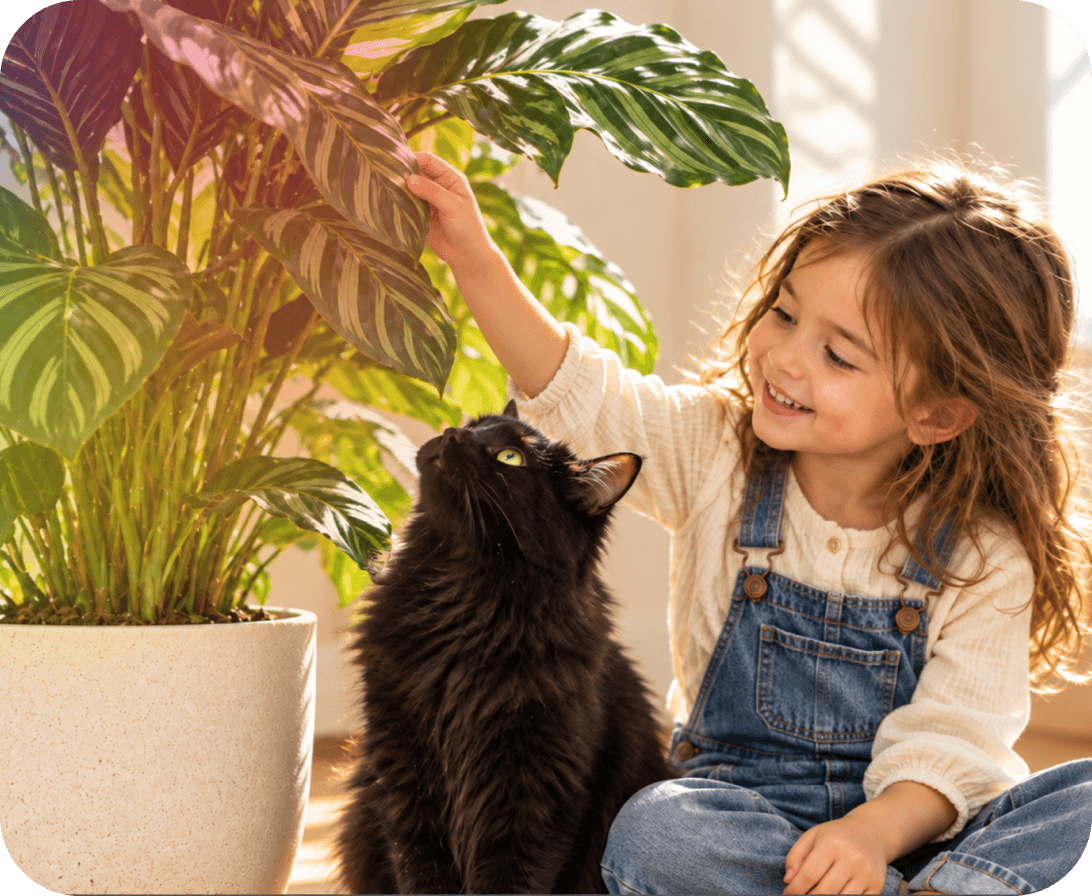
A child and a cat next to a houseplant

FAQ

Smell alone does not cause calcium oxalate poisoning. The irritating crystals do not evaporate into the air. Exposure concerns involve chewing plant tissue or contacting sap, rather than simply being near the plant.

More Plant Toxicity Guides

Identify Thrift-Store Plants with a Quick Photo

Name that unfamiliar plant from its photo using Botan App.

Botan app checking whether a plant is toxic
Plants That Repel Bugs – 20 Effective Options

12 min read · 16 Jul 2026

Plants That Repel Bugs – 20 Effective Options

Mosquitoes on the patio? Gnats in the kitchen? Some plants keep them away with the scent of their own leaves. Here are 20 that deal with mosquitoes, flies, aphids, and more, plus where to put them so they help.

Plant Recommendations
Plants That Repel Bugs – 20 Effective Options
Can Plants Grow With Artificial Light?

6 min read · 15 Sept 2026

Can Plants Grow With Artificial Light?

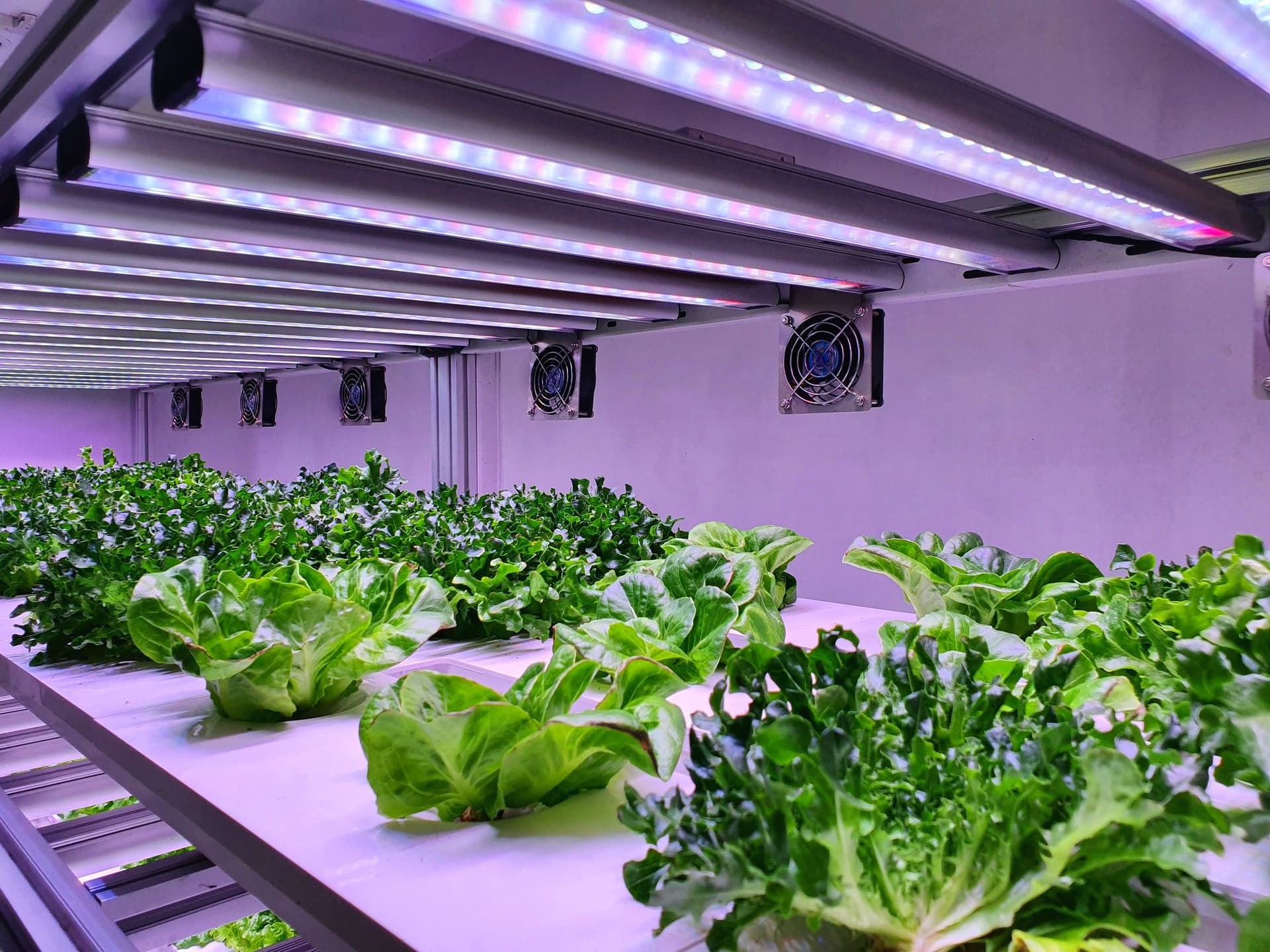
Plants can grow under artificial light when the setup provides a suitable spectrum, enough intensity, and sufficient daily exposure. This guide explains how artificial lighting compares with sunlight, which options work indoors, and how to match a setup to houseplants.

Plant Care
Can Plants Grow With Artificial Light?
How to Tell if a Plant Is Dead

6 min read · 19 Aug 2026

How to Tell if a Plant Is Dead

A plant can lose its leaves, stop growing, or collapse and still remain alive. A closer look at the stems, roots, bulbs, and tubers can show whether the plant still has a chance to recover.

Beginner Guides
How to Tell if a Plant Is Dead