Swiss Botanists Track How Alpine Plants Are Shifting Upward
Plant communities in the Swiss Alps are changing as species appear at higher elevations and others disappear from places where they were recorded decades ago.
On this page
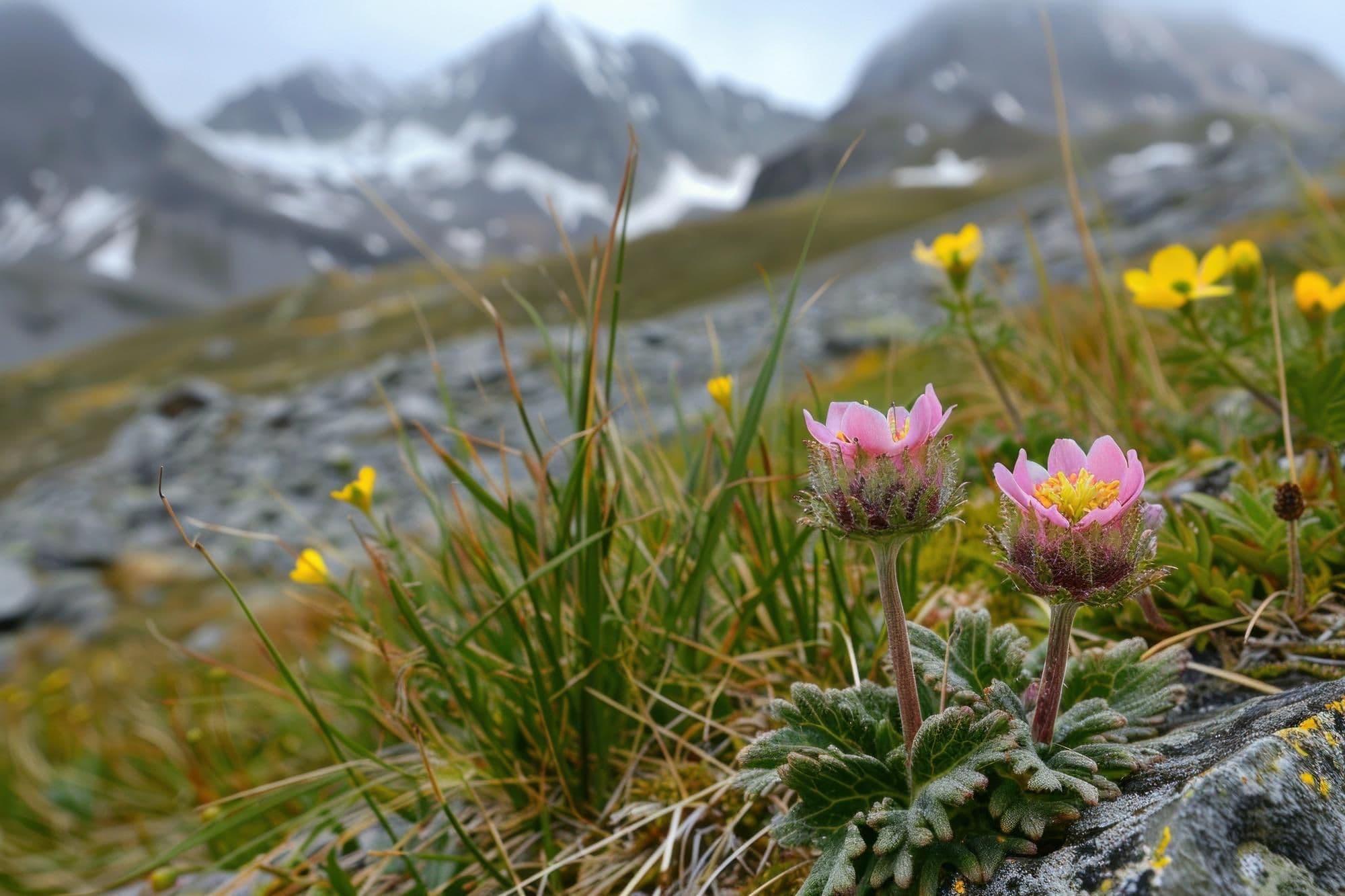
Plant communities across the Swiss Alps are shifting, with some species moving to higher elevations while others vanish from sites where they were documented decades earlier. An official update from the WSL Institute for Snow and Avalanche Research SLF published on September 24 describes how the Flora Raetica project is documenting these shifts across Graubünden by comparing modern observations with botanical records from the 1930s.
Researchers are surveying 1,104 plots measuring 100 by 100 meters and tracking the distributions of roughly 2,500 plant species. During a recent survey near Davos, botanist Christian Rixen recorded a spruce growing at 2,520 meters, an elevation considered unusual for the species.
Rixen says increasingly warm summers have pushed the regional treeline upward by about 400 meters over the past 50 years, although trees are still responding more slowly than changing climatic conditions.


Keep Plants Thriving
Get simple care guidance tailored to each plant’s needs in the app
A Century of Change in Alpine Flora
The latest fieldwork is part of a much larger botanical inventory. Earlier Flora Raetica data show that volunteers have already contributed around 350,000 observations covering 2,700 species.
Preliminary analysis found that 6.5% of species recorded in the 1930s have not yet been confirmed today, while 13% of currently documented species were absent from the historical flora.
The project also shows why repeated plant surveys matter: warming may create opportunities for some species while reducing suitable habitat for cold-adapted alpine plants.

Anastasiia Vasylchyshyna
Botanist
5+ of botanical experience
Anastasiia Vasylchyshyna studied biology at Taras Shevchenko National University of Kyiv, at the Educational and Scientific Center "Institute of Biology and Medicine." That academic grounding shaped how she approaches every article: start with the science, end with something a plant owner can actually act on.
Over the years, she's written dozens of articles on plant care and plant pathology — covering everything from seasonal plant picks, garden prep, propagation and pruning guides, and the everyday mistakes that harm houseplants. Her goal isn't just to answer a question, but to help readers understand why a plant behaves the way it does, so they can spot problems on their own next time.
Related Articles
2 min read · 23 Sept 2026
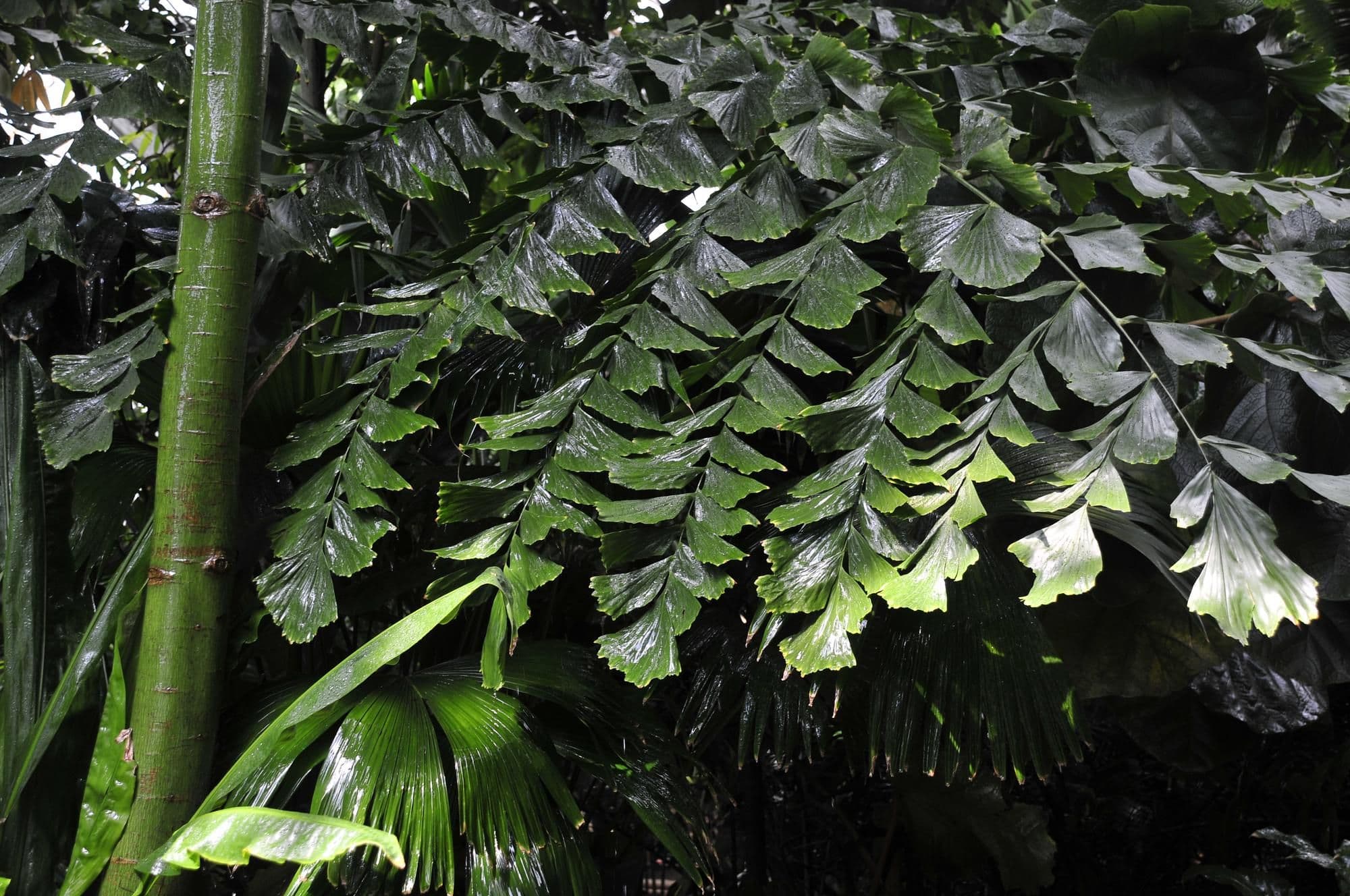
Climate Change Could Reshape the Plant Life of the Amazon
The Amazon rainforest contains an extraordinary variety of plant life, but climate change may alter which species can survive across the region.
3 min read · 18 Sept 2026
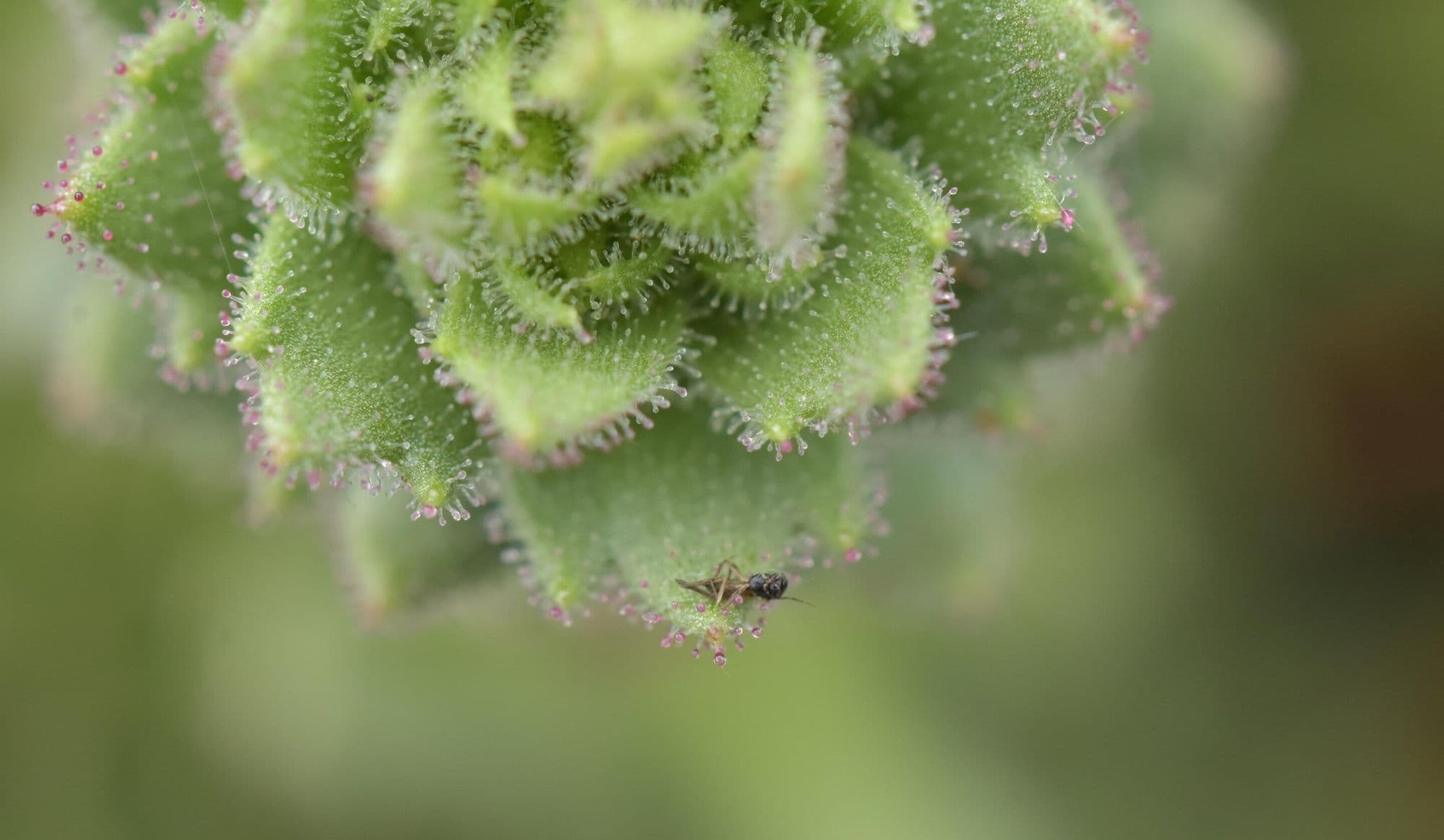
The Mountain Plant That Eats Insects and Vindicates Darwin
In 1875, Charles Darwin suggested that some Saxifraga species might be carnivorous after observing their insect-trapping hairs. A 2026 study finally confirmed his 150-year-old hypothesis.

4 min read · 15 Sept 2026
How Microbes Shape Plant Growth and Health
Every plant, from a windowsill Monstera to a field of wheat, hosts billions of microorganisms that influence its health and growth. These ancient partnerships also play a critical role in global food security.
Explore Plants by Care Needs
Identify the plant and problem. Help your plant recover
Identify plant problems early, understand what's wrong, and get clear care guidance. Botan helps you turn guesswork into confident plant care