Most Common Plant Diseases in 2026: Insights from Botan User Diagnoses
Your plant looks unhealthy, but you can't name the cause. This article presents a ranking of the most common plant diseases our users encountered in 2026, based on real data.

On this page
- Top 15 Most Common Plant Diseases in 2026
- 1. Leaf Spot
- 2. Nutrient Deficiency
- 3. Leaf Burn
- 4. Leaf Scorch
- 5. Leaf Tip Burn
- 6. Root Rot
- 7. Overwatering
- 8. Powdery Mildew
- 9. Leaf Blight
- 10. Leaf Browning
- 11. Drought Stress
- 12. Botrytis Blight
- 13. Fungal Leaf Spot
- 14. Chlorosis
- 15. Underwatering
- 6 Ways to Keep Your Plants Healthy
- How Botan Helps You Identify Plant Problems
Data collected and verified by Botan.
We analyzed thousands of plant diagnoses submitted to the Botan app to determine which problems were encountered most frequently.
Foliage and watering issues clearly top the list, while leaf spotting accounted for 13.12% of all diagnoses. Below, you'll find the full ranking, a description of each problem, and recommendations for solutions.

Top 15 Most Common Plant Diseases in 2026
According to Botan's data, the majority of the common plant diseases 2026 affect leaves and account for a significant portion of the top ten. Leaf spot leads by a wide margin, followed by several problems related to water stress. Many of these are detected early, while you can still revive a dying plant.
Below are the 15 problems most frequently encountered in our diagnostic data for 2026, along with their prevalence and typical causes. Use the chart to match symptoms to the likely cause before committing to treatment.
Rank | Plant Disease | % of User Diagnoses | Common Causes |
1 | Leaf Spot | 13.12% | Fungal or bacterial pathogens, wet foliage |
2 | Nutrient Deficiency | 6.64% | Poor or exhausted soil, imbalanced feeding |
3 | Leaf Burn | 4.94% | Intense sun, fertilizer salts |
4 | Leaf Scorch | 4.89% | Heat, wind, dry roots |
5 | Leaf Tip Burn | 4.82% | Low humidity, salt or fluoride buildup |
6 | Root Rot | 4.39% | Overwatering, poor drainage |
7 | Overwatering | 2.93% | Excess water, soggy soil |
8 | Powdery Mildew | 2.80% | Fungal infection, poor airflow |
9 | Leaf Blight | 2.58% | Fungal or bacterial spread in warm, wet conditions |
10 | Leaf Browning | 2.45% | Watering, humidity, or fertilizer stress |
11 | Drought Stress | 2.26% | Prolonged dryness |
12 | Botrytis Blight | 1.35% | Botrytis cinerea, high humidity |
13 | Fungal Leaf Spot | 1.25% | Fungal infection, splashing water |
14 | Chlorosis | 1.20% | Iron or nutrient deficiency, soil pH |
15 | Underwatering | 1.14% | Too little water |
Source: Botan user data, 2026

Fix Plant Problems
Leaves turning yellow or falling off? Find the cause and solutions
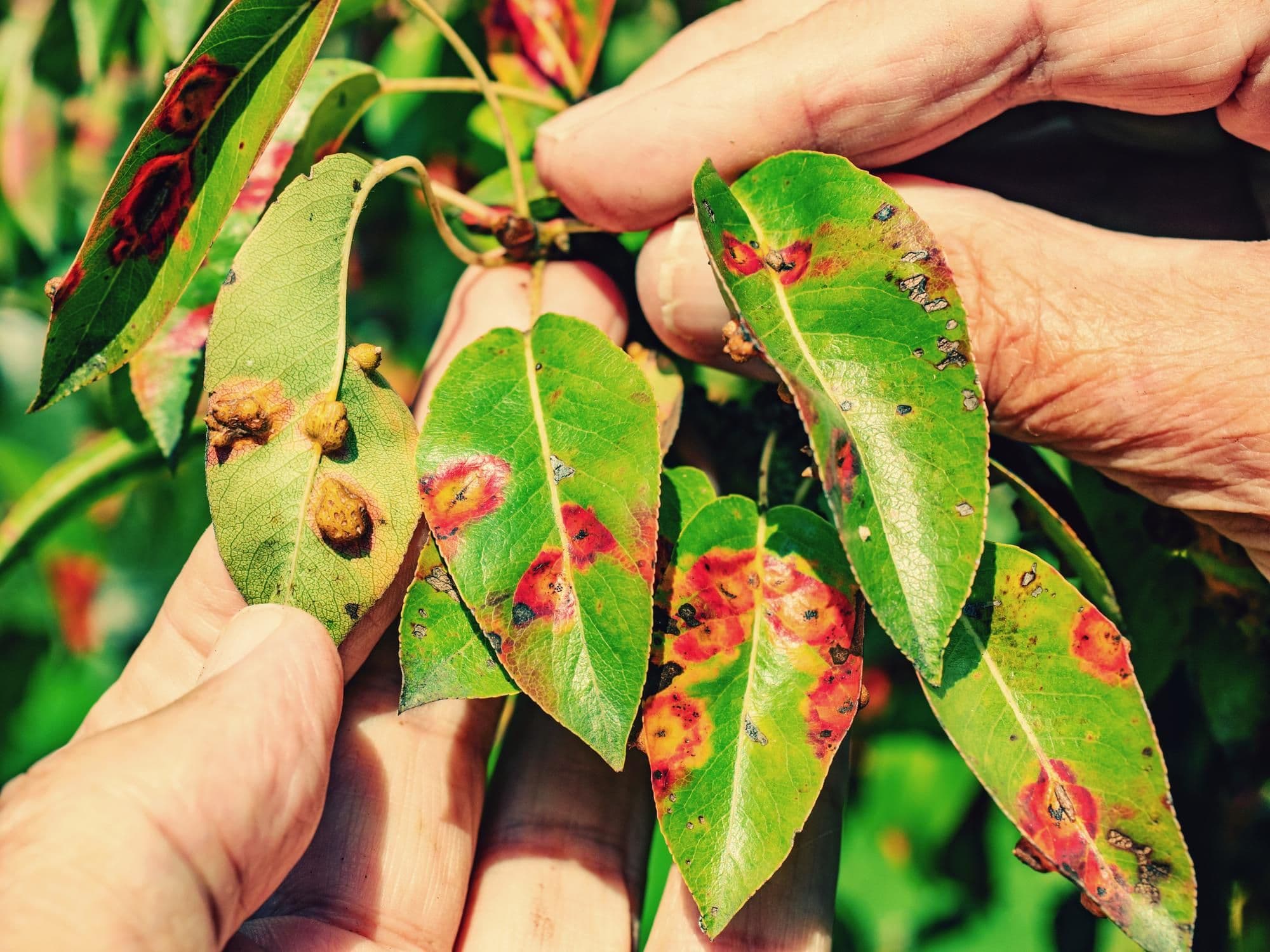
1. Leaf Spot

Leaf spot diseases topped the list by a wide margin. It made up 13.12% of all diagnoses in our 2026 dataset, which makes it the single most common plant diseases result we recorded.
Signs and Symptoms:
- Small brown, black, or tan spots, often with a yellow ring;
- Spots that enlarge and run together over time;
- Older leaves yellowing and dropping early.
Most Commonly Affected Plants:
- Tomatoes;
- Roses;
- Leafy houseplants.
Common Causes:
- Fungal or bacterial pathogens;
- Leaves that stay wet;
- Crowding and poor airflow.
2. Nutrient Deficiency

The problem ranked second is nutrient deficiency, accounting for 6.64% of all diagnoses in our dataset. It's the most common non-fungal problem on the list.
Signs and Symptoms:
- Pale or yellowing leaves;
- Yellowing on older leaves or between the veins;
- Slow, weak, or stunted growth.
Most Commonly Affected Plants:
- Vegetables;
- Citrus;
- Fast-growing foliage species.
Common Causes:
- Poor or worn-out soil;
- Old potting mix that's run low on nutrients;
- Uneven or incorrect feeding.
3. Leaf Burn

Dry and discolored spots on the side that receives the most sun are a sign of leaf burn. As Botan’s research data claims, it's the third most common problem, detected in 4.94% of cases, and one of the most preventable common plant problems on this list.
Signs and Symptoms:
- Brown or whitish dead patches;
- Damage on the side facing the sun or a window;
- Crispy, dry leaf surfaces.
Most Commonly Affected Plants:
- Succulents;
- Houseplants moved outdoors too fast;
- Over-fertilized potted species.
Common Causes:
- Strong, direct light;
- Heat;
- Salt buildup from too much fertilizer.
4. Leaf Scorch

It's easy to confuse it with leaf burn, but leaf scorch actually has a different cause. It ranked fourth, accounting for 4.89% of diagnosed cases, and in our plant disease statistics, it ranks just behind leaf burn. The difference is that scorch is caused by water and heat stress, not direct sunlight.
Signs and Symptoms:
- Brown, dry edges that spread inward;
- Yellowing between the veins;
- Wilting in heat despite watering.
Most Commonly Affected Plants:
- Maples;
- Hydrangeas;
- Potted species in hot, windy spots.
Common Causes:
- Dry roots;
- High heat;
- Wind that pulls water from the leaves.
5. Leaf Tip Burn

Sometimes, only the tips of the leaves become brown and flaky, while the rest of the plant appears perfectly healthy. This phenomenon is called leaf tip burn. It's the fifth among the most common plant problems and accounts for 4.82% of all diagnoses.
Signs and Symptoms:
- Brown, dry, papery leaf tips;
- Healthy tissue behind the damaged tips;
- Tips that keep worsening if nothing changes.
Most Commonly Affected Plants:
- Spider plants;
- Dracaenas;
- Prayer plants.
Common Causes:
- Low humidity;
- Uneven watering;
- Salt or fluoride buildup from tap water and fertilizer.
6. Root Rot

The trouble with root rot starts underground, out of sight, so the roots are often badly damaged before the leaves react. According to Botan’s evaluations, it made up 4.39% of diagnoses, ranking sixth in the rating. Phytophthora root rot is one of the most common and difficult-to-treat types of the disease.
Signs and Symptoms:
- Wilting even though the soil is wet;
- Dark, soft, mushy roots;
- A sour or rotten smell from the soil.
Most Commonly Affected Plants:
- Peace lilies;
- Succulents;
- Any species left in a soggy pot.
Common Causes:
- Overwatering;
- Poor drainage;
- Water molds in constantly wet soil.
7. Overwatering

According to plant news, overwatering is a common problem among gardeners. It alone accounted for 2.93% of disease cases and ranked seventh on the list. This disease also exacerbates a number of the problems listed above, including root rot.
Signs and Symptoms:
- Yellowing lower leaves;
- A droopy look despite wet soil;
- Fungus gnats around the pot.
Most Commonly Affected Plants:
- Most common houseplants;
- Pots kept in low light;
- Species in poorly draining pots.
Common Causes:
- Watering too often;
- Pots without proper drainage;
- Soil that holds too much water.
8. Powdery Mildew

The classic symptom of powdery mildew is a white or gray coating on leaves and stems. It makes up 2.80% of all diagnoses and is one of the better-known common plant diseases. Providing species with ample space and air circulation is one of the main ways to combat powdery mildew.
Signs and Symptoms:
- White or grey powdery coating on leaves;
- Coating on stems and buds too;
- Yellowing or distorted leaves in bad cases.
Most Commonly Affected Plants:
- Cucumbers;
- Roses;
- Zinnias.
Common Causes:
- Fungal infection;
- Warm days with cool, humid nights;
- Crowding and poor air movement.
9. Leaf Blight

Many plant care guides mention leaf blight as a common problem. It spreads quickly and can take down whole leaves in a few days, and it made up 2.58% of diagnoses at ninth place in our rating.
Signs and Symptoms:
- Large brown or black patches;
- Fast spread across the leaf;
- Whole leaves dying within days.
Most Commonly Affected Plants:
- Tomatoes and other vegetables;
- Potatoes;
- Ornamental shrubs.
Common Causes:
- Fungal pathogens;
- Bacterial pathogens;
- Warm, wet conditions.
10. Leaf Browning

The Botan’s research data claims that leaf browning make up 2.45% of diagnoses and overlaps a lot with the other most common plant diseases. Because the causes vary so much, it's less a single diagnosis and more a complex problem.
Signs and Symptoms:
- Brown patches with no clear pattern;
- Browning at the edges or across whole leaves;
- Often paired with other symptoms.
Most Commonly Affected Plants:
- A wide range of houseplants;
- Plants near heat sources or cold drafts;
- Recently moved or repotted species.
Common Causes:
- Underwatering or low humidity;
- Cold drafts;
- Fertilizer stress.
11. Drought Stress

If you don't water your plant for too long, it will quickly become noticeable, and this is where drought stress manifests itself. This ranks eleventh, accounting for 2.26% of all diagnoses.
Signs and Symptoms:
- Drooping or curling leaves;
- Soil pulled away from the pot sides;
- Slowed or stalled growth.
Most Commonly Affected Plants:
- Thin-leaved tropical species;
- Recently repotted species;
- Plants in small pots.
Common Causes:
- Long gaps between watering;
- Soil too dry to absorb water;
- Heat that speeds up drying.
12. Botrytis Blight

A fuzzy gray mold on flowers, buds, and soft stems is the characteristic symptom of botrytis blight. It was the twelfth most common problem in our research, with 1.35% of all diagnosed diseases. The pathogen, Botrytis cinerea, spreads in still, humid air where moisture lingers on the plant.
Signs and Symptoms:
- Fuzzy grey mold on flowers and buds;
- Mold on soft stems;
- Rotting, collapsing tissue.
Most Commonly Affected Plants:
- Begonias;
- Geraniums;
- Cut flowers.
Common Causes:
- High humidity;
- Still, damp air;
- Fading blooms left on the plant.
13. Fungal Leaf Spot

Think of a fungal leaf spot as an ordinary leaf spot with a fungal cause. It made up 1.25% of diagnoses at thirteenth. It appears as transparent spots that appear in wet weather, and the spores are transferred from leaf to leaf when water hits them.
Signs and Symptoms:
- Defined spots with a dark edge;
- Spots with a yellow ring or halo;
- Spots that spread in wet weather.
Most Commonly Affected Plants:
- Many leafy houseplants;
- Vegetables;
- Ornamental shrubs.
Common Causes:
- Fungal infection;
- Splashing water;
- Fallen, infected leaves left in place.
14. Chlorosis

Green veins with yellow tissue in between are the signature look of chlorosis. It showed up in 1.20% of diagnoses at fourteenth. It typically indicates an iron or manganese deficiency, although these nutrients are often present, and the soil pH prevents their uptake by the plant.
Signs and Symptoms:
- Yellowing between green veins;
- New leaves affected first;
- Pale, weak growth over time.
Most Commonly Affected Plants:
- Citrus;
- Azaleas and rhododendrons;
- Plants in alkaline soil.
Common Causes:
- Iron or manganese deficiency;
- High soil pH locking up nutrients;
- Waterlogged roots.
15. Underwatering

Finally, it's worth noting that underwatering is the opposite of overwatering and an equally common mistake. It ranks fifteenth and accounts for 1.14% of all cases. The good news is that it's one of the easiest problems to correct once you notice the signs.
Signs and Symptoms:
- Dry, brittle, crispy leaves;
- Soil shrunk back from the pot sides;
- Drooping that lifts after watering.
Most Commonly Affected Plants:
- Species growing in small or fast-draining pots;
- Thirsty tropicals;
- Species missed during travel or busy weeks.
Common Causes:
- Watering too little;
- Long gaps between waterings;
- Water running off dry soil without soaking in.
6 Ways to Keep Your Plants Healthy
Most of the problems above are linked to the same causes, so a few consistent habits can help prevent many of them. It doesn't matter if you have one fern or a full list of all plants at home; these six ways will help you to keep them healthy:
- Test the soil before watering, rather than watering according to a schedule;
- Provide plants with adequate light and rotate them occasionally;
- Use pots with drainage holes and empty the tray after watering;
- Avoid planting too closely to allow air to circulate around them and reduce the risk of fungal infections;
- Inspect the leaves, stems, and undersides of plants once a week;
- Feed seasonally and occasionally flush the soil to remove salts.
Catching a problem early is almost always easier than trying to save a plant later.
Not Sure What's Wrong With Your Plant?
Take a photo to get an instant diagnosis
How Botan Helps You Identify Plant Problems
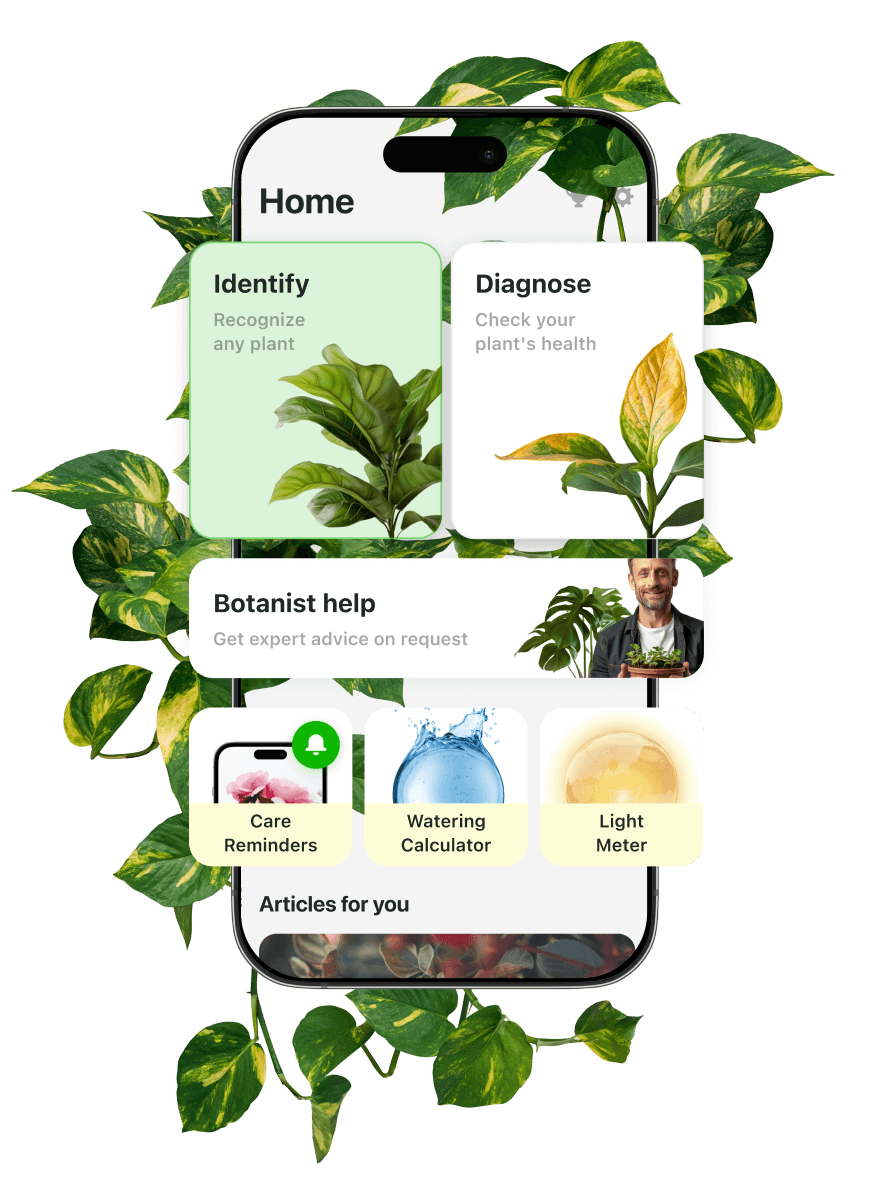
A lot of these problems look alike, so a second opinion helps. Our free plant identifier app lets you take a photo of a struggling plant and see what's most likely wrong. It also provides care tips.
What the Botan app is good for:
- Spotting plants and common problems from one photo;
- Explaining symptoms, causes, and treatment in plain words;
- Sending care reminders so small issues don't turn into big ones.
This app is worth keeping on your phone for the next time a leaf looks unhealthy.
FAQ
Leaf spot. It accounted for 13.12% of all diagnosed cases in our 2026 data, significantly outpacing all others. It appears as brown, black, or beige spots that grow and merge, and is typically caused by fungal or bacterial pathogens on damp leaves.
Anastasiia Vasylchyshyna
Botanist
5+ of botanical experience
Anastasiia Vasylchyshyna studied biology at Taras Shevchenko National University of Kyiv, at the Educational and Scientific Center "Institute of Biology and Medicine." That academic grounding shaped how she approaches every article: start with the science, end with something a plant owner can actually act on.
Over the years, she's written dozens of articles on plant care and plant pathology — covering everything from seasonal plant picks, garden prep, propagation and pruning guides, and the everyday mistakes that harm houseplants. Her goal isn't just to answer a question, but to help readers understand why a plant behaves the way it does, so they can spot problems on their own next time.
Related Articles
6 min read · 21 Sept 2026
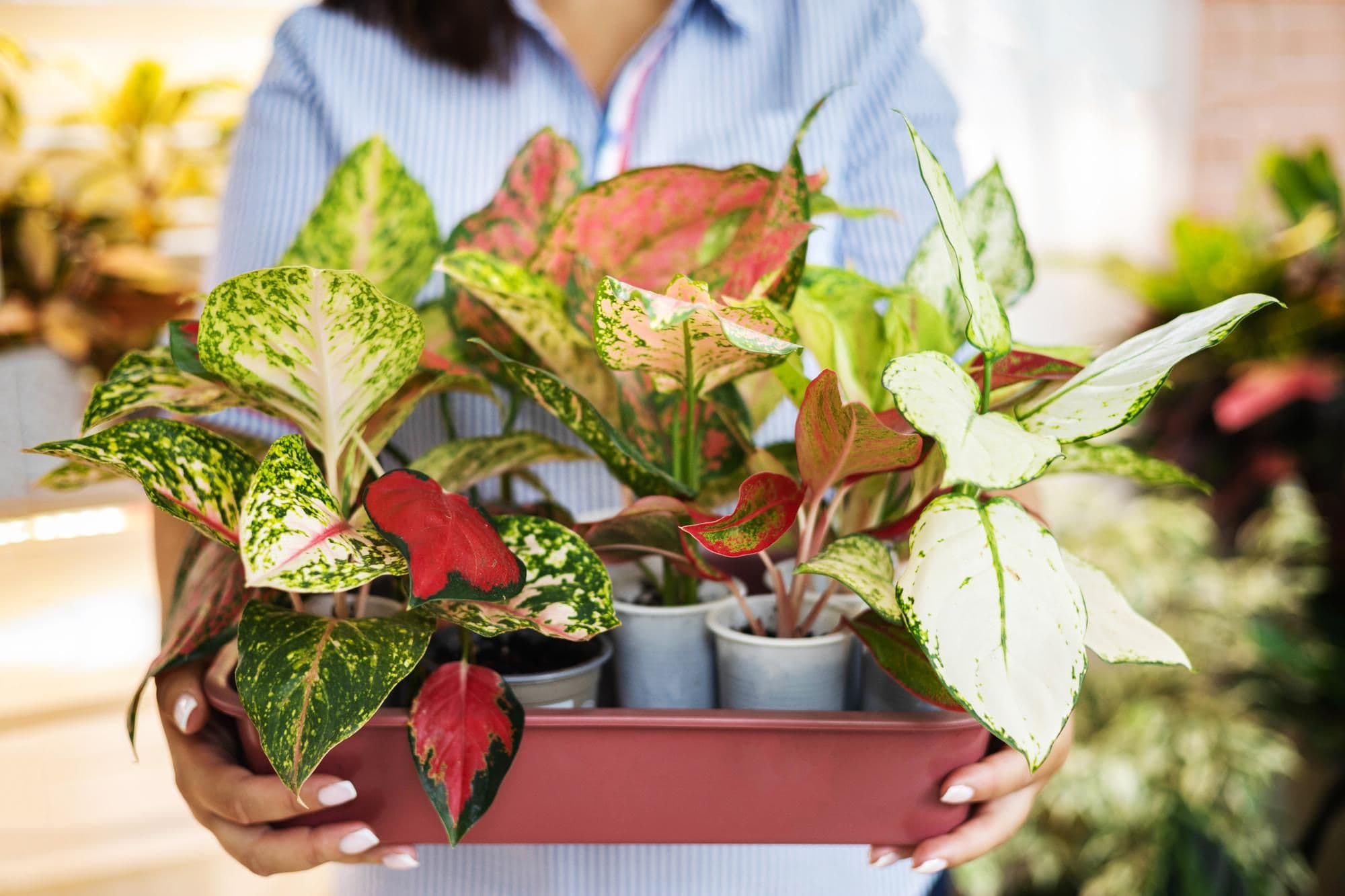
12 Most Wanted Rare Houseplants to Grow at Home
Rare houseplants can turn an ordinary corner in your apartment into a living botanical collection. This guide covers 12 most admired picks, what makes them special, and how to grow them successfully at home.

4 min read · 18 Sept 2026
How Much Do Plant Apps Cost? A Guide to Plant App Pricing in the US
Plant apps seem cheap until the free trial ends and fees start to appear. Here's how much such applications cost in the US, what's included in each plan, and how to choose the right one without overpaying for extra features.
8 min read · 17 Sept 2026
Top 15 Plants That Don’t Need Sunlight
Some plants thrive in dim rooms, shaded corners, and places with indirect light. In this guide, you’ll explore the top 15 species best suited to low-light conditions and how to care for them.
Explore Plants by Care Needs
 POPULAR
Anthurium clarinervium
Anthurium clarinervium
 POPULAR
Elephant Bush
Portulacaria afra
 POPULAR
Desert Rose
Adenium obesum
 POPULAR
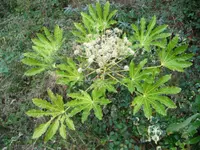
Japanese aralia
Fatsia japonica
 POPULAR
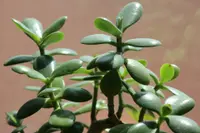
Jade plant
Crassula ovata
 POPULAR
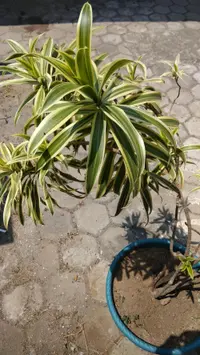
Song of India
Dracaena reflexa
 POPULAR
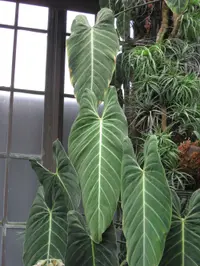
Philodendron melanochrysum
Philodendron melanochrysum
 POPULAR
Golden Pothos
Epipremnum aureum
Identify the plant and problem. Help your plant recover
Identify plant problems early, understand what's wrong, and get clear care guidance. Botan helps you turn guesswork into confident plant care