
How to Identify and Treat Black Spots on Orchid Leaves
Black spots on orchid leaves can be caused by rot, sunburn, or pests, and treatment depends on the exact issue. Tracking the spot over several days helps you see whether it’s spreading or staying stable.

.jpg&w=1920&q=75)
On this page
- First Steps After You Notice Black Spots
- Quick Orchid Check Before Treatment
- 5 Common Causes of Black Spots on Orchid Leaves
- 1. Fungal or Bacterial Infection
- 2. Overwatering and Poor Air Circulation
- 3. Sunburn or Heat Damage
- 4. Cold Damage
- 5. Pests or Physical Injury
- Black Spots on Orchid Leaves: Causes, Signs, and What to Do
- When Is an Orchid with Black Spots Beyond Saving?
Black spots on orchid leaves usually point to a serious problem with your plant. Sometimes it's rot, sometimes a sunburn, or sometimes these are pests. The treatment approach depends on the specific issue.
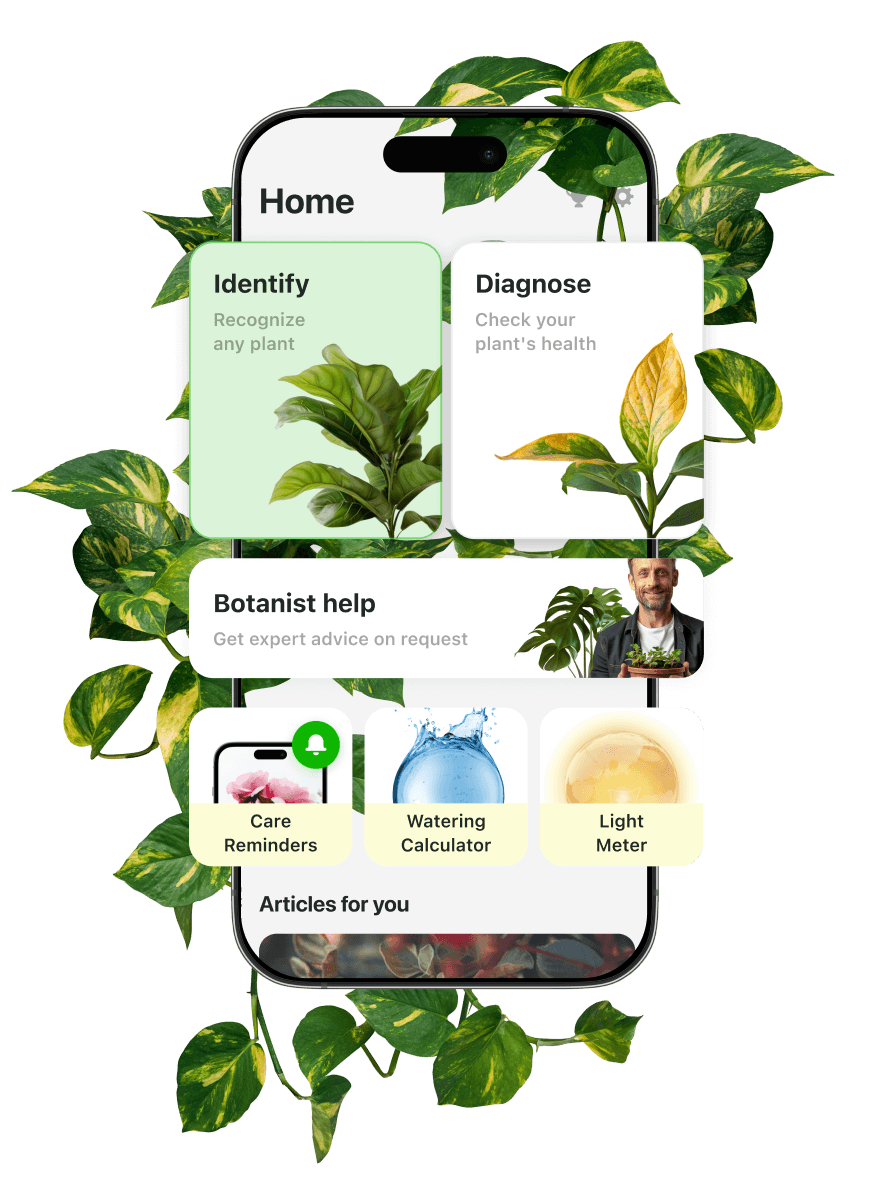
Fortunately, apps like Botan allow you to recognize a possible disease correctly. It can save photos of the same leaf over several days, so you can see whether the spot is spreading or staying the same.

First Steps After You Notice Black Spots
If you find dark spots on orchid leaves, the first 24 hours are your best chance to recover your plant. Follow these steps in order before trying any treatments:
- Isolate the plant. Move the orchid to a separate room or at least a few feet away from other plants. Black rot spreads between pots through splashes of water and air movement, so one diseased orchid can quickly destroy all nearby plants.
- Stop misting and overhead watering. Wet leaves and water pooling at the root collar contribute to fungal growth. From now on, water only at the base – no overhead spraying.
- Check the soil mixture. Tilt the pot and feel it underneath with your hand. If it feels heavy and wet, refrain from watering for a few days until it dries out a bit.
- Inspect the roots. Remove the orchid and examine the roots. If they are firm, green, or silvery, this is a good sign. Brown, soft roots indicate that the rot has begun beneath the surface.
- Take a photo of each affected leaf. You can use the Botan identifier that works like a plant scanner. This smart detector summarizes the photos over a period of time. Later, by comparing them, you can check whether the black spots on the orchid leaves are growing or remaining the same.
Once you've worked through the entire list, the orchid's condition will have stabilized enough to assess the situation and prevent the plant's condition from worsening. You'll then be able to match the observed symptoms with the probable cause and choose the right solution.

Quick Orchid Check Before Treatment
Before picking up the scissors, inspect the plant. Pay attention to:
- The top and bottom of each leaf
- The crown where the leaves meet
- Roots in the pot, including any aerial roots
- Soil for waterlogging, decomposition, or a sour odor
- Location – light, drafts, recent moves
- Changes in care in the last two weeks
This last point is the most important. Most leaf problems are related to changes in care. If you're unsure what species you have, take a photo of your orchid to use the same tool used to identify white flowers on Phalaenopsis orchids – care needs vary slightly depending on the orchid species.
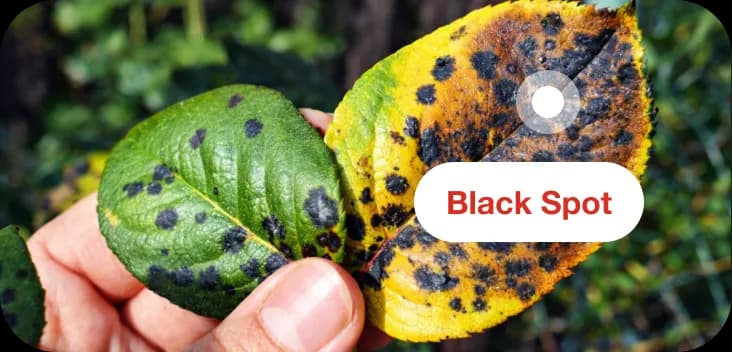
Identify Your Plant's Issues
Identify plant problems before they spread
5 Common Causes of Black Spots on Orchid Leaves
Black spots on orchid leaves can have multiple reasons. Some may indicate disease, while others indicate improper care. It's critically important to be able to distinguish between these aspects. Treating sunburn with a fungicide doesn't help. Cutting off the affected tissue with a dirty blade spreads the pest to the next leaf. The main causes are listed below.

1. Fungal or Bacterial Infection
According to the American Orchid Society, black rot is one of the most dangerous diseases. It begins as a wet, dark spot. The next day, it becomes larger and softer to the touch. Once it spreads to the top of the plant, the orchid usually dies.
Bacterial leaf spot resembles rot, but often has an unpleasant, sour odor. Both diseases occur when leaves remain damp, the air becomes stagnant, or the soil remains soggy. To treat the disease in this case, trim the affected tissue with clean scissors. Treat the cut with cinnamon or copper fungicide. Finally, provide better air circulation around the plant.
2. Overwatering and Poor Air Circulation
Overwatering is also a common cause of orchid leaf black spots. Wet soil causes root rot. Once the roots die, the leaves die too. Add to this the still air, and you create the perfect conditions for problems.
Water retention in the root collar after spraying is one of the main causes of orchid death that people don't even realize. A small fan clipped to a windowsill solves most of these problems.
3. Sunburn or Heat Damage
If you expose an orchid to direct midday sun, the leaves will "scorch". The burn marks will turn beige, brown, or almost black. The plant tissue will become dry and papery to the touch. The burn will not spread. Most indoor orchids, such as the Hooded orchid, require bright but indirect light. A few feet from an east-facing window is an ideal place for the pot.
4. Cold Damage
If an orchid is pressed against frozen glass on a winter night or brought home from the store in cold weather, it may get sunken, dark spots. Sometimes the spots become soft. The cold-damaged tissue remains dead. Trim it off and move the plant to a warmer location.
5. Pests or Physical Injury
Insects don't always leave black marks immediately — damage darkens later. Scale insects appear as small brown bumps stuck to the leaf or stem. Spider mites spin a fine web under the leaves, leaving tiny light spots that darken over time.
Thrips scratch the surface and leave silvery streaks that turn black where the tissue dies. Bumps and scratches can also cause dark spots on orchid leaves. A leaf pressed against a wall, a cut during repotting, or a cat kick.
Any of these injuries can cause darkening at the site of the injury. To find the real cause, turn over the leaves — this is where insects usually hide. Also, check the leaf joints for damage.
Black Spots on Orchid Leaves: Causes, Signs, and What to Do
Matching the visible signs with the cause helps in most cases to deal with black spots on orchid leaves. Improving air circulation can help with almost any cause. However, choosing the wrong steps can kill a plant that could otherwise be cured.
The table below lists the main diseases and conditions that cause black spots on orchids, their appearance up close, and recommendations for recovery.
Look at the Black Spots | Likely Cause | What to Do |
Soft, wet, spreading patches | Black rot or bacterial infection | Isolate, trim with sterile blade, spray with copper fungicide, improve ventilation |
Dry, papery, tan-to-black, no spread | Sunburn or heat damage | Move to filtered light, trim it if necessary |
Sunken dark patches after a cold | Cold damage | Remove from window, cut away dead tissue, maintain temperatures over 60°F |
Yellow halo around a brown-black spot | Fungal leaf spot | Trim with sterile blade, apply fungicide, reduce humidity |
Specks with webbing or sticky residue | Pest damage | Wash leaves, spray with insecticidal soap or neem oil |
Dark mark where the leaf bent or pressed | Physical injury | Leave alone; tissue can't grow and will not spread either |

When Is an Orchid with Black Spots Beyond Saving?
Some orchids are already too badly damaged to be restored. Knowing when to stop will save time and protect the rest of your collection. Look for the following signs:
- Rot in the crown. Once the center turns black and soft, there's nothing left to grow from.
- All leaves have become wilted or soft. Extensive damage indicates systemic rot has affected the plant.
- The stem is completely black. Make a small cut to check — dark tissue inside indicates internal rot.
- Roots are crumbling in your hand. No root system means no recovery.
- A rotten smell is coming from the pot. A sour odor indicates bacterial rot.
- New spots continue to appear after treatment. The disease is gaining ground.
At this point, if possible, save a keiki or side shoot. Otherwise, discard the plant and clean everything it has touched.
FAQ
No. Dark spots can appear from sunburn, cold, insects, or bruises. Black rot is soft and moist to the touch and spreads quickly. Dry or sunken spots indicate another disease.
Dariia Plaksina
Botanist
5 years of botanical research experience
Dariia Plaksina is a biologist, botanist, and writer of informational articles with over 5 years of experience exploring the world of plants, nature, and biology. She studied at Taras Shevchenko National University of Kyiv, Educational and Scientific Center “Institute of Biology and Medicine,” where she built a strong scientific foundation for her future work.
For Dariia, writing is a hobby, a calling, and a way to make reliable knowledge easier to understand. Her articles focus on plant care, plant health, and natural processes, helping readers learn more about the living world through clear, accessible, and science-based explanations.
Related Articles
8 min read · 1 Oct 2026
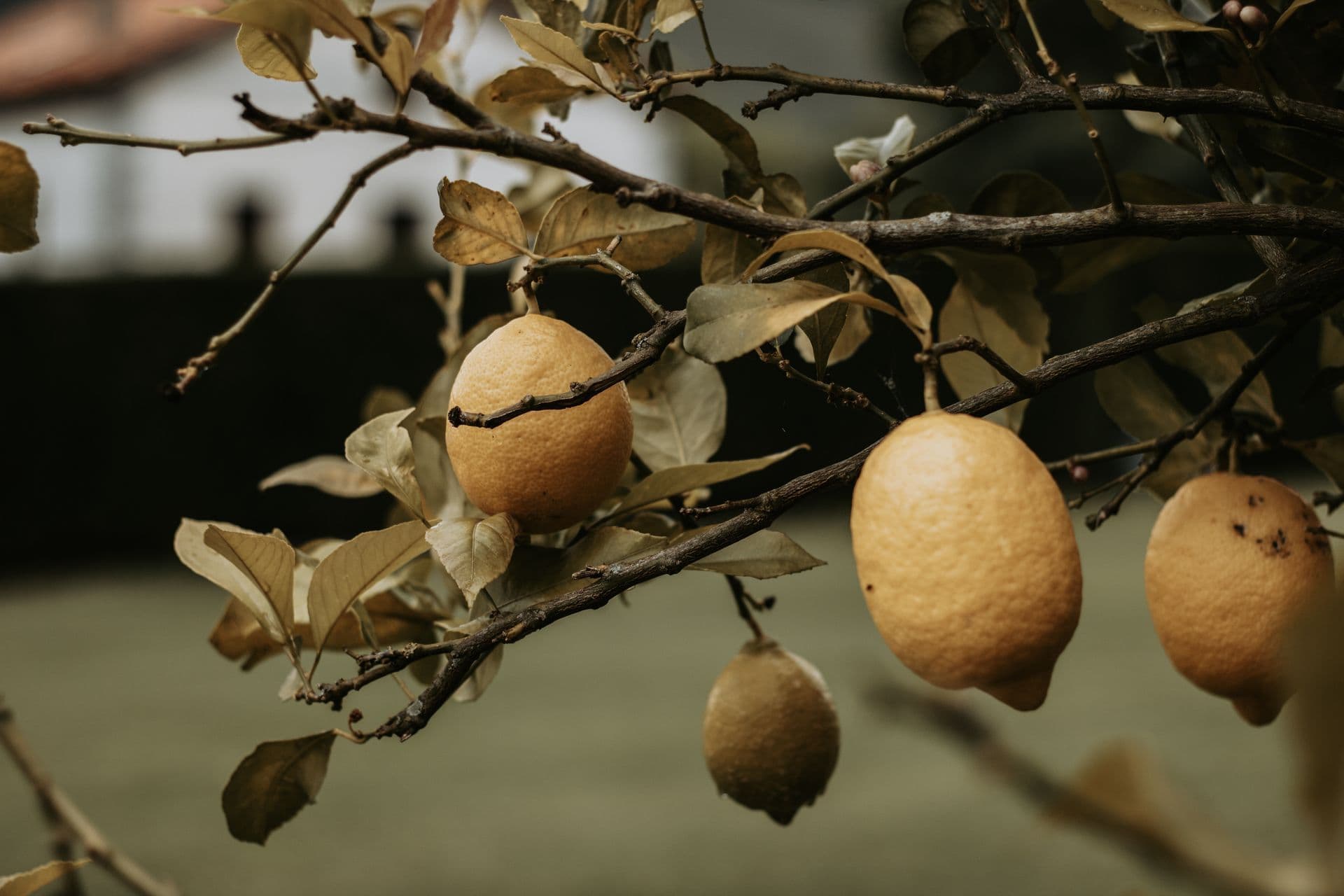
Lemon Tree Leaves Turning Yellow: Causes and How to Fix It
Yellow leaves are one of the most common lemon tree problems. This guide explains eight causes of lemon tree leaves turning yellow, from overwatering to root rot, with a fix for each.
5 min read · 16 Sept 2026
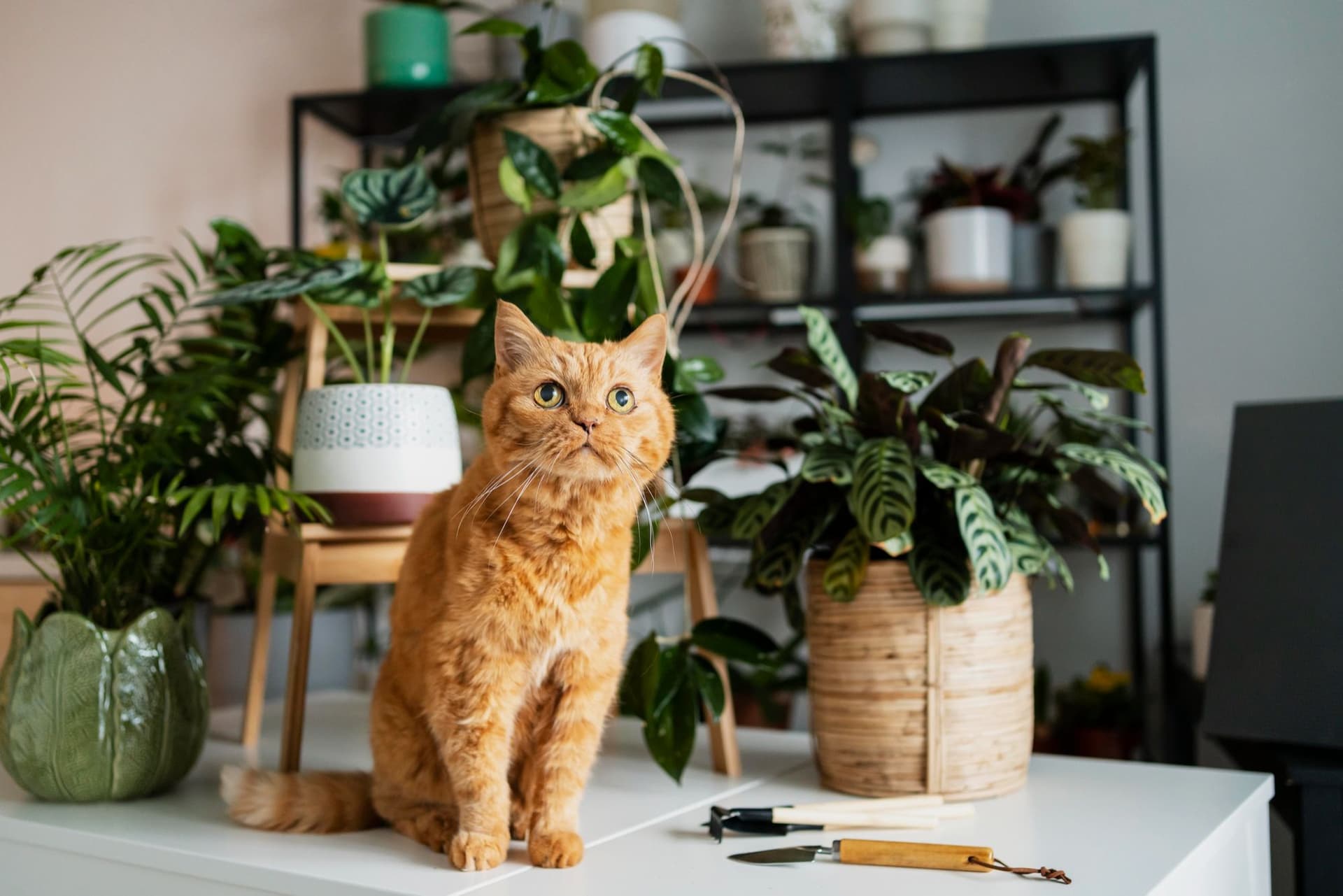
How to Keep Cats Away From Plants: 7 Safe and Effective Methods
Cats may dig in potting soil, chew leaves, or knock containers over. These seven methods combine safer placement, physical protection, a suitable chewing alternative, and play to help protect your plants without putting your cat at risk.
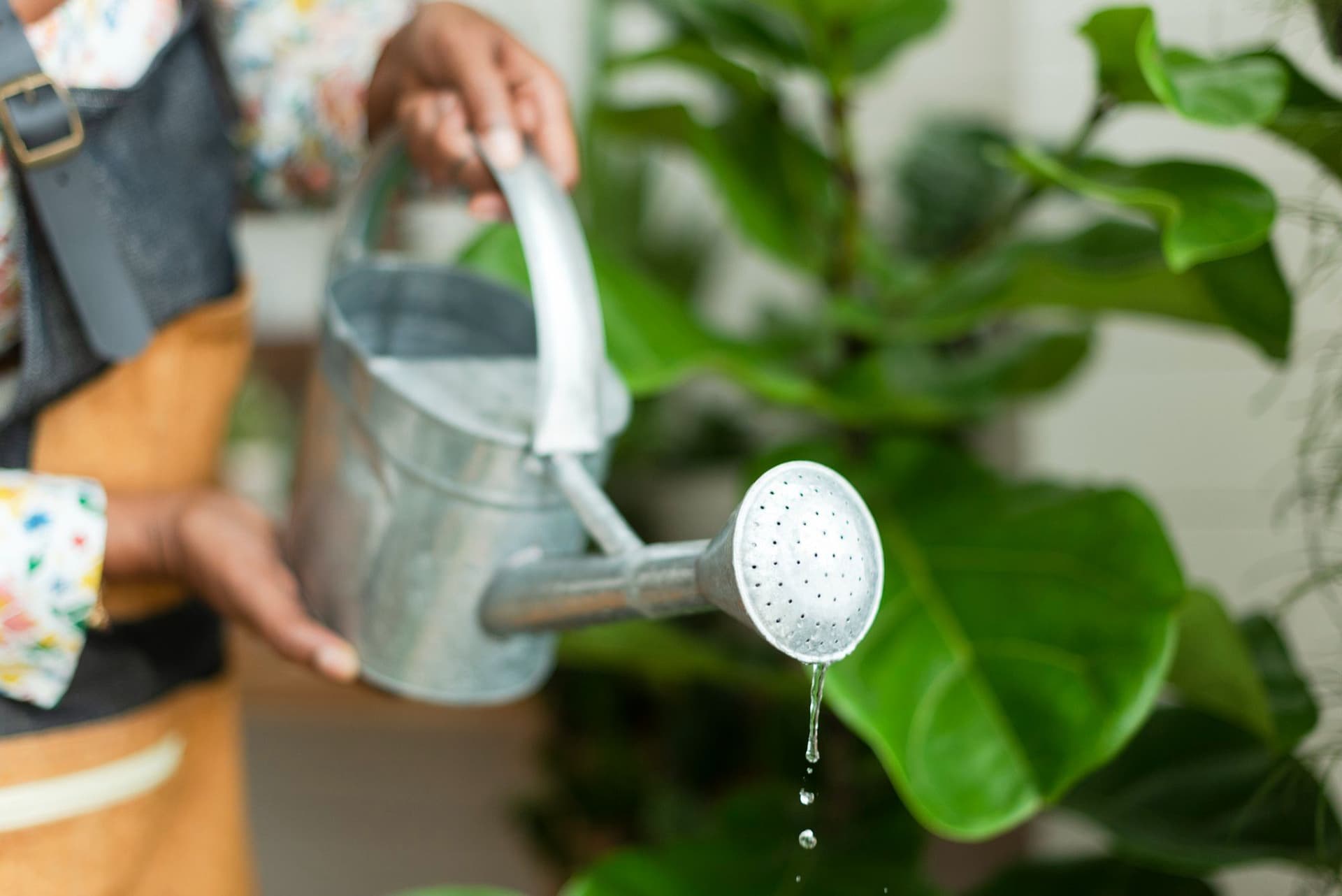
5 min read · 7 Sept 2026
Overwatering vs Underwatering: How to Tell the Difference
Overwatering and underwatering can look almost identical, so they're easy to confuse. In this guide, we'll cover the signs of each, simple ways to tell them apart, and how to treat your plant once you know what's wrong.
Explore Plants by Care Needs
Four-Season Orchid
Cymbidium ensifolium
Darwin’s orchid
Angraecum sesquipedale
pigeon orchid
Dendrobium crumenatum
 POPULAR
Fire-star orchid
Epidendrum radicans
 POPULAR
Ghost orchid
Dendrophylax lindenii
 POPULAR
Jewel Orchid
Ludisia discolor
Delicate violet orchid
Ionopsis utricularioides
 POPULAR
Pink Rock Orchid
Dendrobium kingianum
Identify the plant and problem. Help your plant recover
Identify plant problems early, understand what's wrong, and get clear care guidance. Botan helps you turn guesswork into confident plant care