Cacti Could Help Solve a Long-Standing Evolutionary Mystery
A new study of cactus flowers suggests that the speed of evolutionary change may help explain why some lineages produce far more species than others.
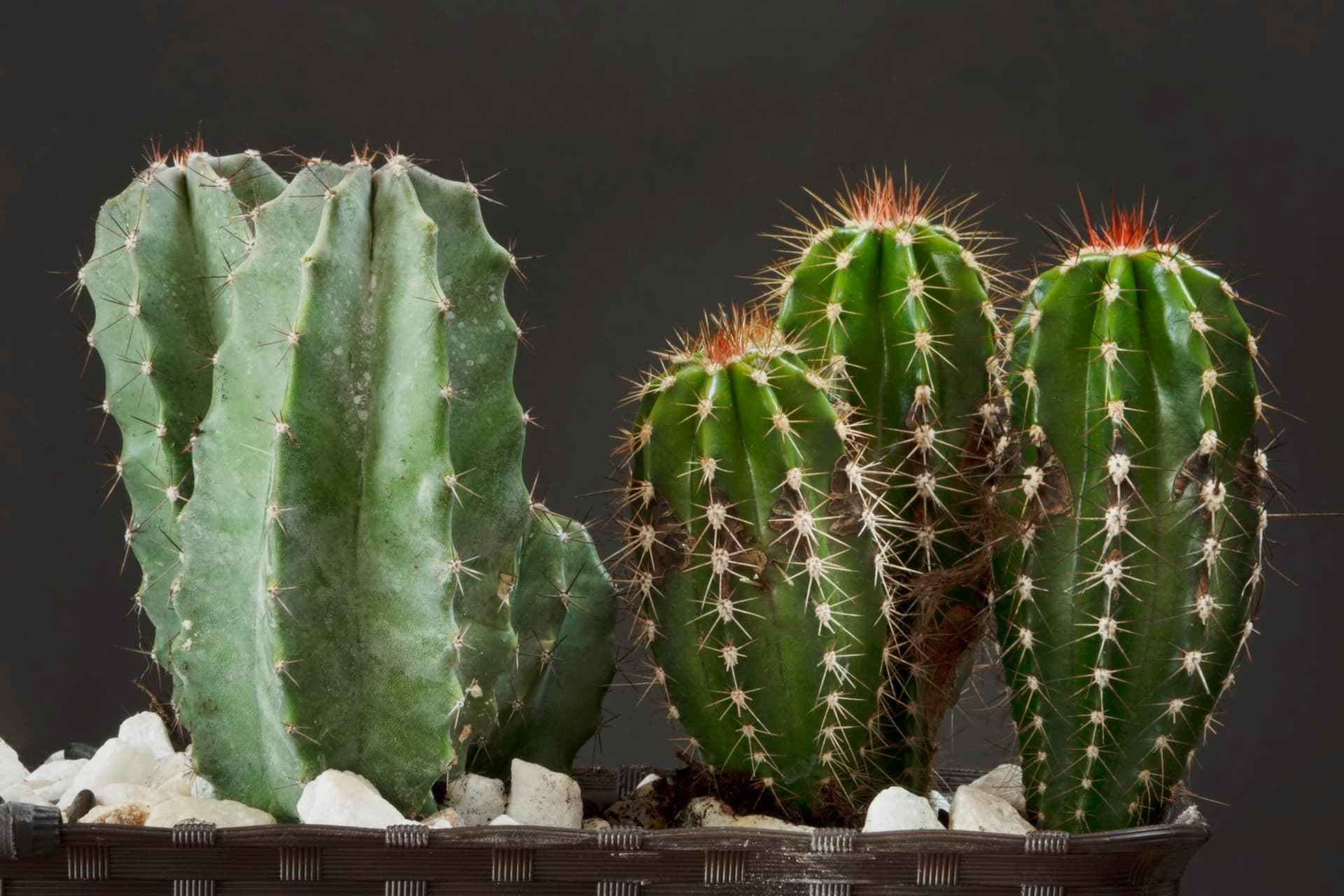
Why do some branches of the tree of life explode into thousands of species while others remain small and quiet for millions of years? This question has shaped evolutionary biology since Charles Darwin. A new study of cactus flowers may offer a fresh answer.
An Unlikely Teacher
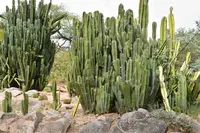
The cactus family is full of contradictions. Cacti are icons of slowness. A Saguaro may take a decade to grow just one inch tall, and the Psychedelic peyote takes decades to reach maturity. Deserts are arenas of remarkable evolutionary innovation.
Yet the cactus family is one of the fastest-evolving plant groups on Earth. Over the past 20-35 million years, about 1,850 cactus species have emerged. In geological terms, that is barely a blink. For comparison, about a quarter of all other flowering plant families contain five or fewer species.


Keep Plants Thriving
Get simple care guidance tailored to each plant’s needs in the app
What Scientists Thought They Knew
Researchers pointed to two main explanations for cactus diversity. The first was pollinator specialization: cactus flowers evolved to attract specific pollinators, and this specialization drove the formation of new species.
The second hypothesis linked cactus diversity to the expansion of arid landscapes across the Americas over the past 30 million years.
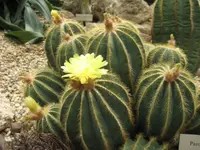
Cactus flowers (for example, Easter lily cactus) certainly seem to support the first idea. They range from small blooms to enormous night-opening blossoms.
Shorter flowers are linked to bee pollination. Long forms have evolved repeatedly for bats, hummingbirds, and moths.
A Surprising Finding
A 2024 study by Jamie Thompson found that neither aridity nor pollination was a strong predictor of cactus diversification. This challenged an idea tracing back to Darwin himself, who suggested that specialized flowers could promote the formation of new plant species.
Thompson published a follow-up study in the journal Biology Letters, drawing on data from the newly released Cactus Ecological Database (CactEcoDB). It is an open-access resource containing trait data, geographic ranges, environmental variables, and family trees for over 1,000 cactus species.
The team compiled flower length data for more than 750 species, uncovering an extraordinary range: from blooms just two millimeters across to flowers the size of a large dinner plate.
What they found was unexpected. It was not the type of flower that predicted how many new species a lineage produced. It was the speed at which flower size was evolving. Lineages where flower size changed rapidly were also the lineages producing the most new species.

Why This Matters Beyond Cacti
The findings carry implications well beyond the cactus family. They suggest that a lineage's capacity for rapid evolutionary change may be a more important driver of biodiversity than any specific adaptation or ecological specialization.
The findings carry implications well beyond the cactus family. They suggest that a lineage's capacity for rapid evolutionary change may be a more important driver of biodiversity than any specific adaptation or ecological specialization.
Protecting biodiversity, the authors argue, is not only about preserving the species alive today. It is about safeguarding the evolutionary potential that allows new species to arise in response to changing environments.

Alex Yar
Plant Expert
7+ years of experience studying plants, researching their diseases, and examining their characteristics.
Alex is a plant expert and writer with more than 7 years of experience studying plants, their growing requirements, and their responses to environmental conditions. His areas of expertise include plant care, disease recognition, stress diagnosis, pest-related problems, and the distinctive characteristics of different species.
Over the years, Alex has developed a strong practical understanding of how light, temperature, humidity, watering, soil conditions, and nutrition affect plant health. He combines careful observation with in-depth research to explain effective care and recovery methods.
Alex has extensive hands-on experience caring for houseplants. His articles translate complex botanical topics into clear guidance that helps you better understand your plants and recognize early warning signs.
Related Articles

2 min read · 22 Oct 2026
Texas Native Plant Week 2026 Highlights the Power of Local Plants
Texas is celebrating Native Plant Week from October 18 to 24, bringing attention to the wildflowers, grasses, and shrubs that support local wildlife and healthy ecosystems.

2 min read · 19 Oct 2026
Scientists Develop Reusable Artificial Strawberry Stems to Improve Robotic Harvesting
Researchers have developed an artificial strawberry stem that can be cut, repaired, and reused during robotic harvesting tests.

2 min read · 15 Oct 2026
Over 2,000 Glowing Pumpkins to Light Up Springfield’s Washington Park This Weekend
More than 2,000 illuminated jack-o’-lanterns will transform Washington Park in Springfield, Illinois, into a Halloween attraction on October 16-17, 2026.
Explore Plants by Care Needs
Identify the plant and problem. Help your plant recover
Identify plant problems early, understand what's wrong, and get clear care guidance. Botan helps you turn guesswork into confident plant care