Climate Change Could Reshape the Plant Life of the Amazon
The Amazon rainforest contains an extraordinary variety of plant life, but climate change may alter which species can survive across the region.
On this page
Recent research estimates that Indigenous communities use at least 5,796 Amazonian plant species, more than 1/3 of the rainforest’s known flora. By 2080, changing climate conditions could cause many of these useful plants to disappear from the areas where they currently grow.
The problem goes far beyond losing individual species. Many Amazonian plants occupy relatively narrow ecological niches and depend on stable combinations of rainfall, humidity, temperature, and forest cover.
As those conditions shift, plants may struggle to reproduce, migrate or maintain viable populations. The study suggests that communities could lose access to around 28-34% of the plant species they currently use.


Keep Plants Thriving
Get simple care guidance tailored to each plant’s needs in the app
Why Amazon Plants Are Vulnerable
Botan’s plant database illustrates just how closely some Amazonian species are tied to specific environmental conditions. Theobroma grandiflorum, or cupuaçu, naturally grows in warm, humid Amazonian forests and requires consistently moist soil and protection from cold and drought.
Another example, Annona amazonica, is adapted to lowland rainforest conditions and is similarly sensitive to sudden temperature drops and moisture stress.
The survival of these plants could also matter far beyond the Amazon, since wild tropical species may contain genetic traits useful for developing future crops that are more resistant to heat, disease and environmental stress.

Anastasiia Vasylchyshyna
Botanist
5+ of botanical experience
Anastasiia Vasylchyshyna studied biology at Taras Shevchenko National University of Kyiv, at the Educational and Scientific Center "Institute of Biology and Medicine." That academic grounding shaped how she approaches every article: start with the science, end with something a plant owner can actually act on.
Over the years, she's written dozens of articles on plant care and plant pathology — covering everything from seasonal plant picks, garden prep, propagation and pruning guides, and the everyday mistakes that harm houseplants. Her goal isn't just to answer a question, but to help readers understand why a plant behaves the way it does, so they can spot problems on their own next time.
Related Articles
3 min read · 18 Sept 2026
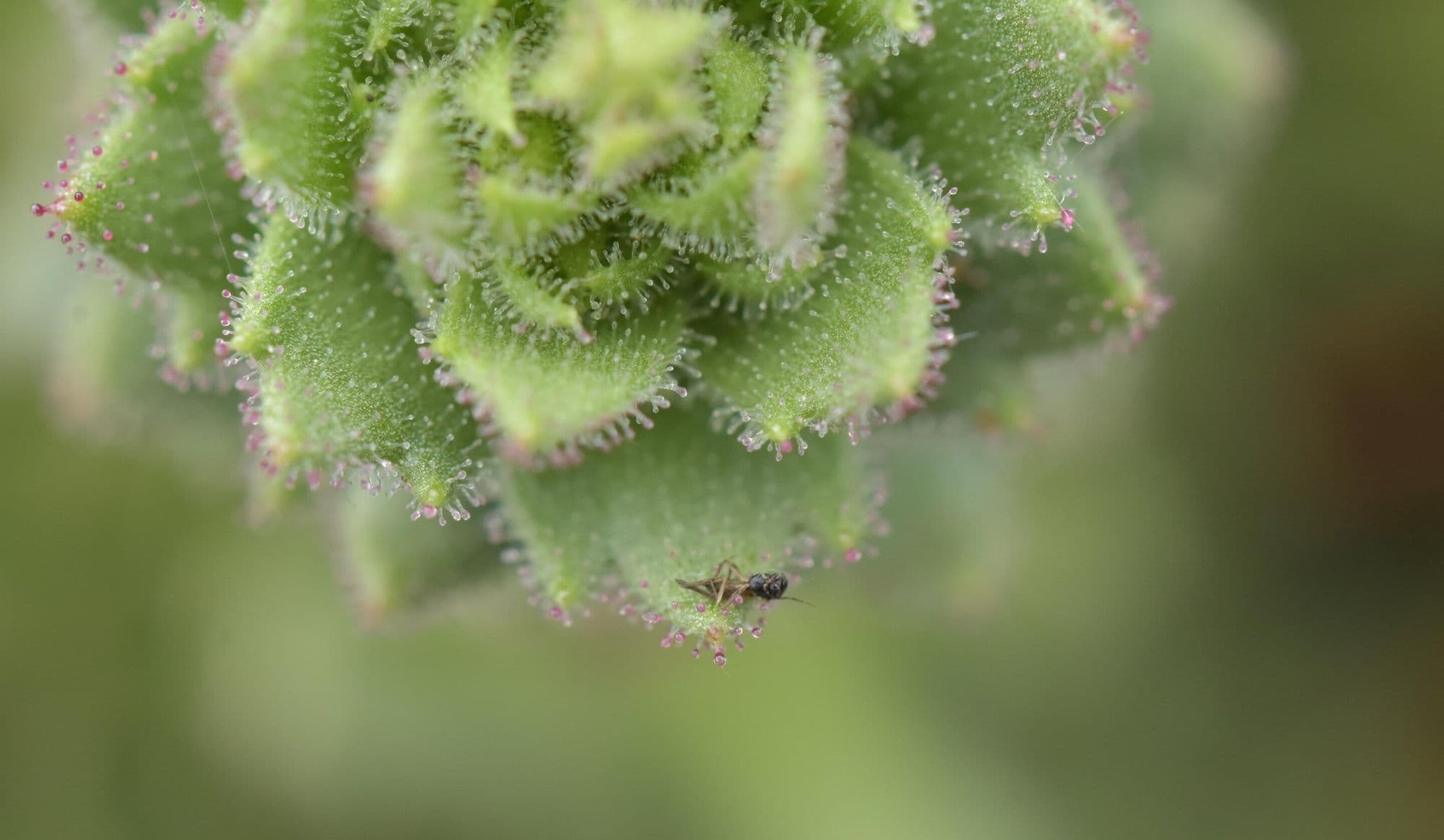
The Mountain Plant That Eats Insects and Vindicates Darwin
In 1875, Charles Darwin suggested that some Saxifraga species might be carnivorous after observing their insect-trapping hairs. A 2026 study finally confirmed his 150-year-old hypothesis.

4 min read · 15 Sept 2026
How Microbes Shape Plant Growth and Health
Every plant, from a windowsill Monstera to a field of wheat, hosts billions of microorganisms that influence its health and growth. These ancient partnerships also play a critical role in global food security.

3 min read · 11 Sept 2026
How Plant Roots Could Protect Crops from Drought
Plant roots push the soil, and as droughts intensify, this underground machinery holds the key to feeding the world.
Explore Plants by Care Needs

Identify the plant and problem. Help your plant recover
Identify plant problems early, understand what's wrong, and get clear care guidance. Botan helps you turn guesswork into confident plant care