Scientists Discover How Fungal Disease Changes the Scent of Roses
A fungal disease can change how the flowers smell. Even roses.
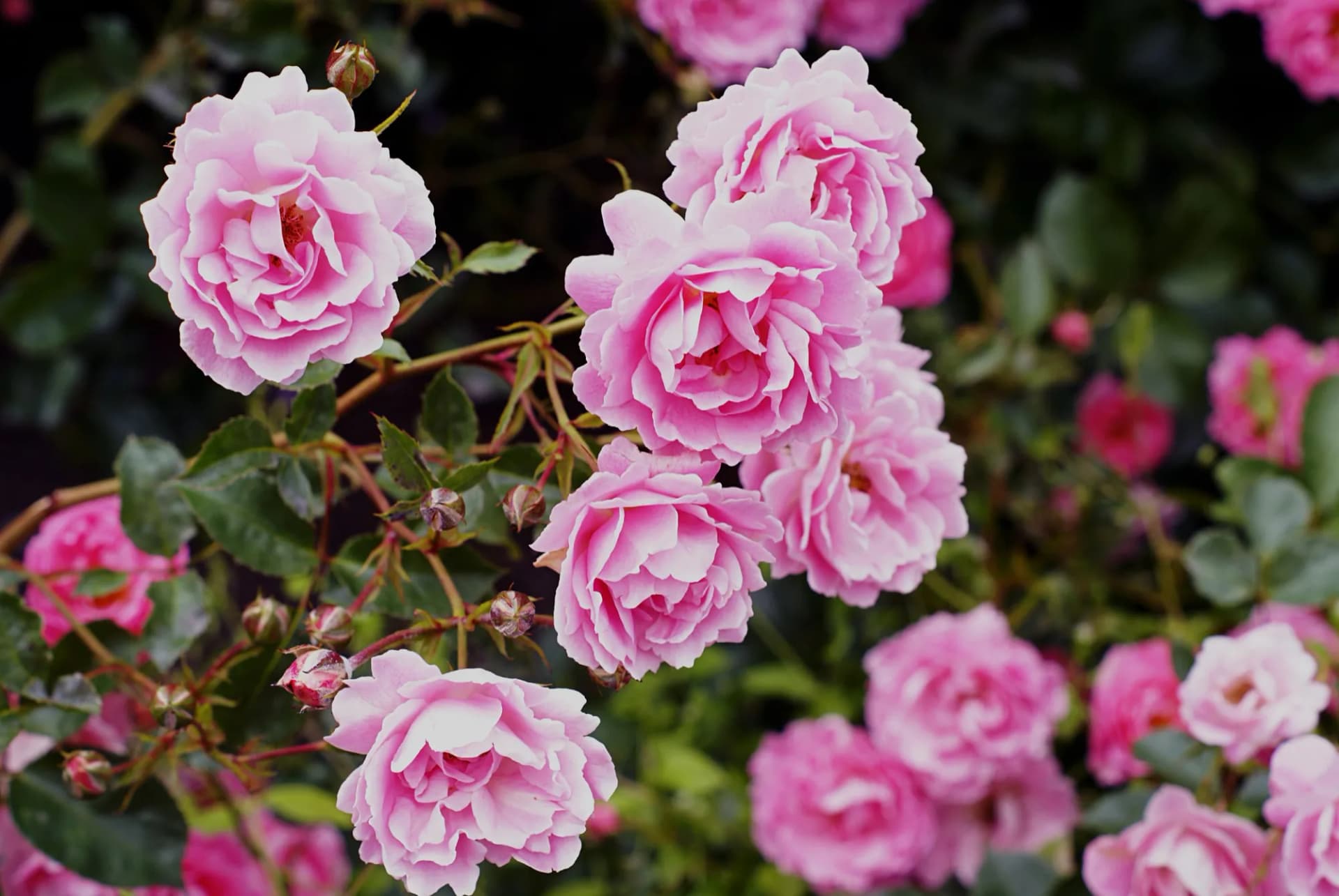
A new study found that gray mold reduces the characteristic fragrance of Taif roses grown in Saudi Arabia. The findings could help growers detect infections and protect flowers used in the perfume industry.
How Gray Mold Affects Rose Fragrance
A new study published in Scientific Reports examined how Botrytis cinerea, the fungus responsible for gray mold, affects Rosa damascena petals.
Researchers collected roses from commercial farms in Saudi Arabia's Taif region and compared healthy and infected petals.
Using chemical analysis and smell tests, scientists discovered that infected flowers lost much of their typical fragrance.

Meanwhile, the concentration of 1-octen-3-ol, a compound associated with mushroom-like odors, increased 15 times.
The researchers also identified 18 fungal taxa belonging to nine genera on rose petals.
Interestingly, an electronic nose (a device that detects chemical compounds in the air) distinguished healthy and infected petals with 95.2% accuracy.
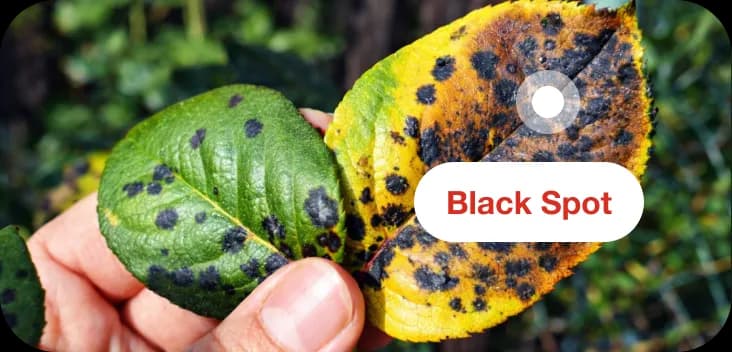
Identify Your Plant's Issues Early
Identify plant problems before they spread
Why This Discovery Matters for Rose Growers
Taif roses are valued for their strong fragrance and are widely used to produce rose oil and rose water. Changes in their scent can therefore affect the quality of commercial products.
The findings suggest that analyzing aromatic compounds could become a useful way to detect fungal infections during flower storage and processing.
However, the technology requires further testing before widespread commercial use.

How Gardeners Can Protect Roses From Gray Mold
Gray mold is a fungal disease caused by Botrytis cinerea, the same fungus examined in the new study. It affects many flowering plants, including roses, damaging petals and causing them to develop brown spots and decay. The infection can also change the flowers' natural scent.
Gardeners can reduce infection risks by improving air circulation, removing diseased blossoms, and avoiding unnecessary moisture on petals. Watering near the base of rose bushes, not over their flowers, can also help keep petals dry.
The new research highlights an often-overlooked consequence of plant diseases: flowers may lose their familiar scent as well as their healthy appearance.

Found this helpful?
Add Botan as a preferred source on Google.

Anastasiia Vasylchyshyna
Botanist
5+ of botanical experience
A biologist by training and a botanist by calling, Anastasiia turns scientific knowledge into practical advice anyone can use to keep their plants healthy and thriving.
Related Articles
2 min read · 18 Nov 2026
Growing Medicinal Plants Under Trees May Reduce Fungal Diseases, Study Finds
Scientists in China found that forest-based cultivation reduced gray mold infections in Panax notoginseng, a valuable medicinal plant used in traditional Chinese medicine.
2 min read · 17 Nov 2026
Climate Change Could Increase Fungal Disease Risk in European Pear Orchards
Climate change could make a damaging fungal disease more common in Europe's pear-growing regions, according to new research.

2 min read · 10 Nov 2026
Kew Scientists Call for Stronger Plant and Forest Protection at COP31
Scientists at the Royal Botanic Gardens, Kew, are calling for closer cooperation between climate action and nature conservation as the COP31 climate conference begins in Antalya, Türkiye.
Explore More Roses


Identify the plant and problem. Help your plant recover
Identify plant problems early, understand what's wrong, and get clear care guidance. Botan helps you turn guesswork into confident plant care